
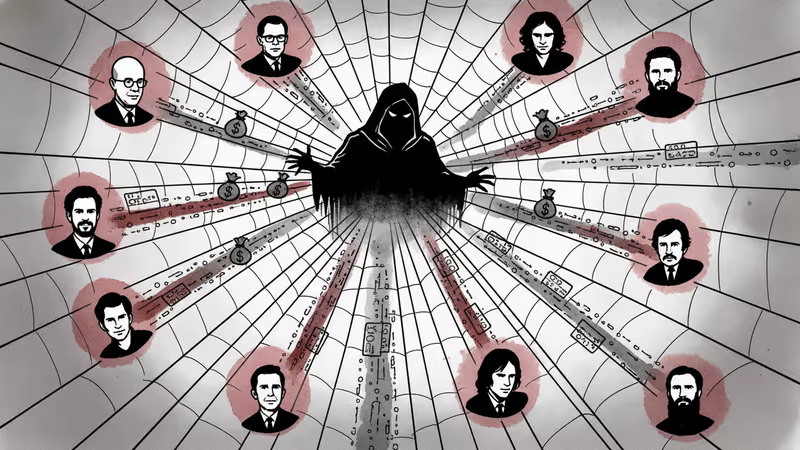
The Epstein Papers Reveal Silicon Valley's Uncomfortable Truth
Recent Epstein document releases expose connections between tech moguls and anti-woke ideology. What this network reveals about power in Silicon Valley.
Dead men tell no tales, but their documents do. The latest tranche of Jeffrey Epstein papers reads like a who's who of Silicon Valley's "anti-woke" movement: Peter Thiel, Elon Musk, Larry Summers, Steve Bannon, and Donald Trump. These aren't random connections – they're the architects of a worldview that says rich white men can do whatever they want.
The Network Exposed
Epstein wasn't just a sex trafficker. He was an ideological entrepreneur who believed wealthy white men deserved to shape the world according to their desires. The documents suggest he worked to spread this philosophy through carefully cultivated relationships with tech leaders and political figures.
Consider the pattern: Thiel famously declared that "diversity is not a strength." Musk has declared war on the "woke mind virus." These aren't isolated opinions – they're part of a coherent worldview that sees traditional power structures as natural and necessary.
Silicon Valley's Ideological Infrastructure
The tech industry's concentration of power makes these connections particularly troubling. When 5 companies control over 80% of digital advertising revenue, and when 3 platforms determine what 3 billion people see in their feeds, personal beliefs become public policy.

This isn't about conspiracy theories. It's about how shared ideologies shape business decisions. When platform leaders believe that diversity initiatives are harmful, that climate activism is misguided, or that traditional hierarchies are natural, these beliefs inevitably influence algorithm design, content moderation policies, and investment priorities.
The Venture Capital Echo Chamber
The influence extends beyond individual companies. Thiel'sFounders Fund, Musk's various ventures, and their network of allies control billions in venture capital. They don't just fund companies – they fund worldviews. Startups that align with their ideology get funding; those that don't, struggle.
This creates what researchers call "ideological homophily" – the tendency for similar people to cluster together and reinforce each other's beliefs. In Silicon Valley, this clustering has real consequences for innovation, competition, and social progress.
Beyond the Boys' Club
The Epstein documents force an uncomfortable question: How much of what we call "innovation" is actually just the systematic advancement of a particular worldview? When tech leaders claim to be building the future, whose future are they building?
The answer matters because these platforms increasingly mediate human experience. They decide what news we see, which voices get amplified, and how we understand complex social issues. If the people making these decisions share a narrow ideological framework, the implications extend far beyond Silicon Valley.
Authors
Related Articles
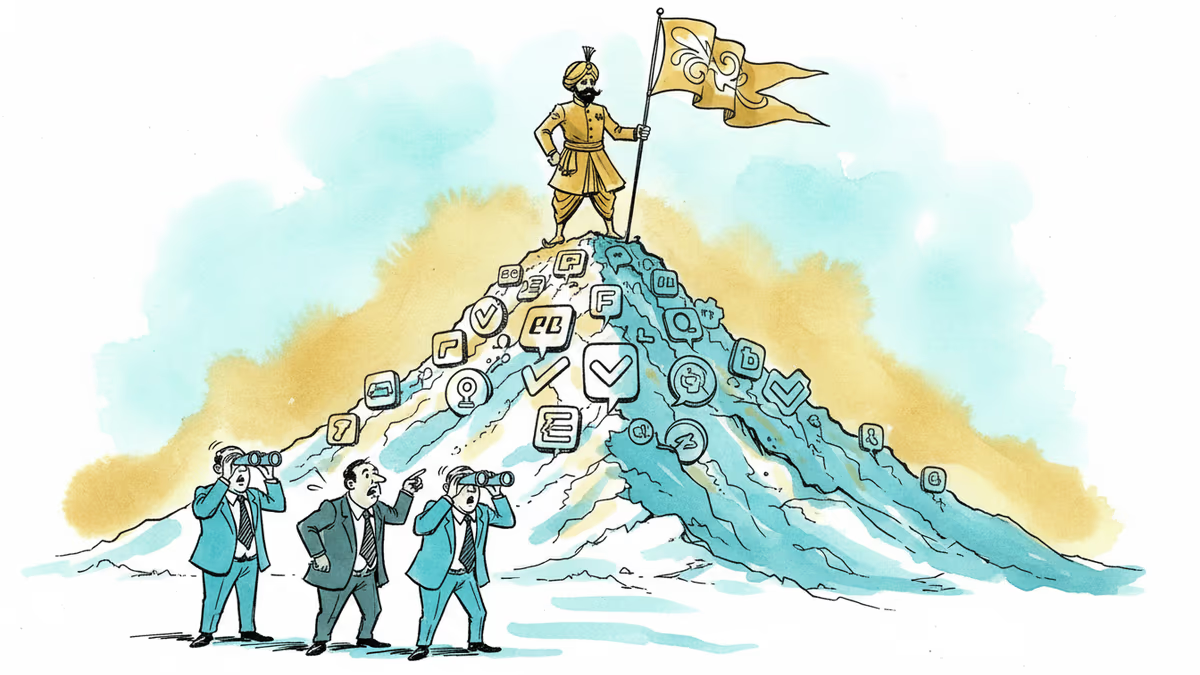
Indian venture capital has quietly displaced Silicon Valley in its own backyard. Only one American VC made India's top 10 investor list last year. Here's why that matters beyond India.
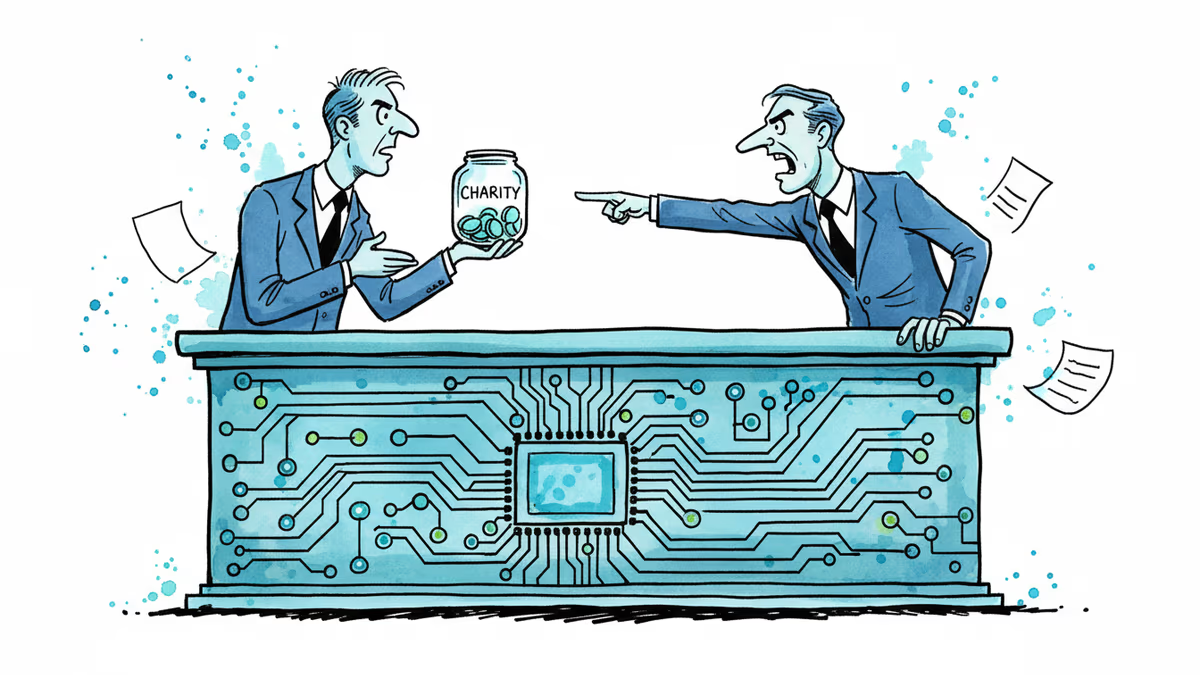
After two weeks of witnesses calling him a liar, OpenAI CEO Sam Altman testified in his own defense, claiming Elon Musk tried to kill the company twice.

OpenAI CEO Sam Altman's San Francisco residence was attacked twice in three days — first a Molotov cocktail, then a shooting. What does this say about tech power, public anger, and the real-world risks facing AI leaders?
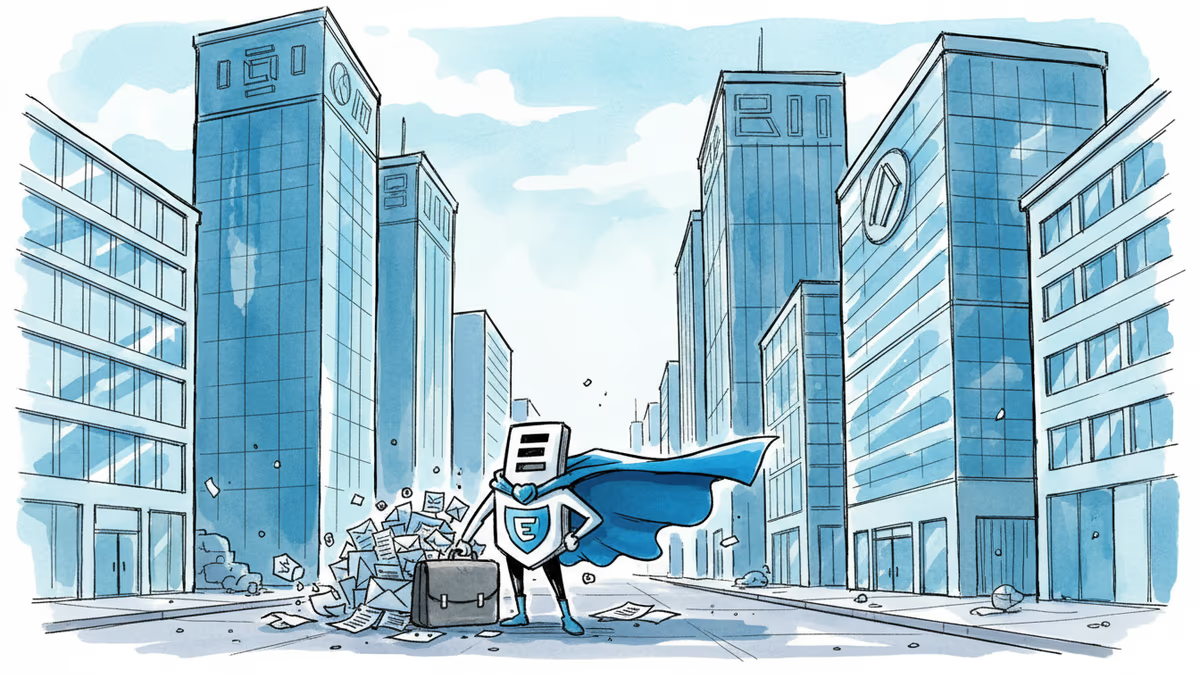
Grammarly rebranded as Superhuman, betting it can evolve from a spell-checker into a full AI productivity platform. But in a market dominated by Microsoft and Google, is there room for an independent player?
Indian venture capital has quietly displaced Silicon Valley in its own backyard. Only one American VC made India's top 10 investor list last year. Here's why that matters beyond India.
After two weeks of witnesses calling him a liar, OpenAI CEO Sam Altman testified in his own defense, claiming Elon Musk tried to kill the company twice.
OpenAI CEO Sam Altman's San Francisco residence was attacked twice in three days — first a Molotov cocktail, then a shooting. What does this say about tech power, public anger, and the real-world risks facing AI leaders?
Grammarly rebranded as Superhuman, betting it can evolve from a spell-checker into a full AI productivity platform. But in a market dominated by Microsoft and Google, is there room for an independent player?
Thoughts
Share your thoughts on this article
Sign in to join the conversation