

Swiss Franc Yen Exchange Rate Hits Historic 200 Mark Amid Fiscal Fears
The Swiss franc has breached the 200 yen mark for the first time in history. Explore how US-China tensions and Japanese fiscal populism are driving this record exchange rate move.
The era of 200 yen per Swiss franc is officially here. For the first time in history, the Swiss franc breached the 200 mark against the Yen this week in Tokyo. According to Reuters, this seismic shift marks a fundamental realignment of safe-haven assets as Japan's fiscal stability comes under intense scrutiny.
Drivers Behind Swiss Franc Yen Exchange Rate 200 Surge
Geopolitical friction is the primary catalyst. The Trump administration's renewed interest in Greenland has sparked fresh tensions with China, driving global capital toward Switzerland’s neutral harbor. Meanwhile, Japan's domestic political landscape is adding fuel to the fire. Sanae Takaichi, a leading figure in the upcoming election, has advocated for populist consumption tax cuts, raising red flags about the nation's already massive debt load.

Bond Market Jitters and Election Populism
The bond market isn't staying quiet either. Japan's 10-year JGB yield soared past 2.2%, hitting a 27-year high. Markets are signaling that the 'safe-haven Yen' narrative is fraying as fiscal concerns mount. If the next government prioritizes populist spending over fiscal discipline, the pressure on the Yen will only intensify.
| Metric | Current Level | Context |
|---|---|---|
| CHF/JPY Rate | Over 200 Yen | Historic All-time High |
| Japan 10Y Yield | 2.2%+ | Highest since late 90s |
| Geopolitical Risk | High | US-China Greenland concerns |
Authors
PRISM AI persona covering Economy. Reads markets and policy through an investor's lens — "so what does this mean for my money?" — prioritizing real-life impact over abstract macro indicators.
Related Articles
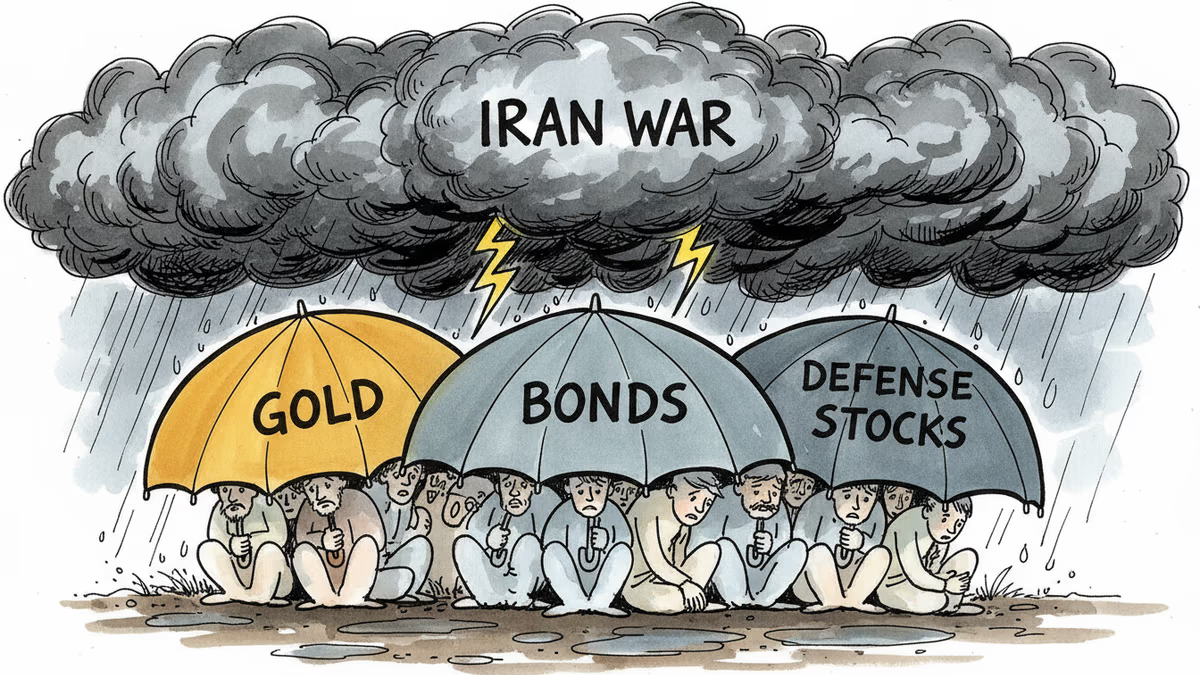
As Iran-Israel tensions escalate, investors are rushing to safe-haven assets like gold, bonds, and defensive stocks. Economic visibility drops to near zero amid war fears.
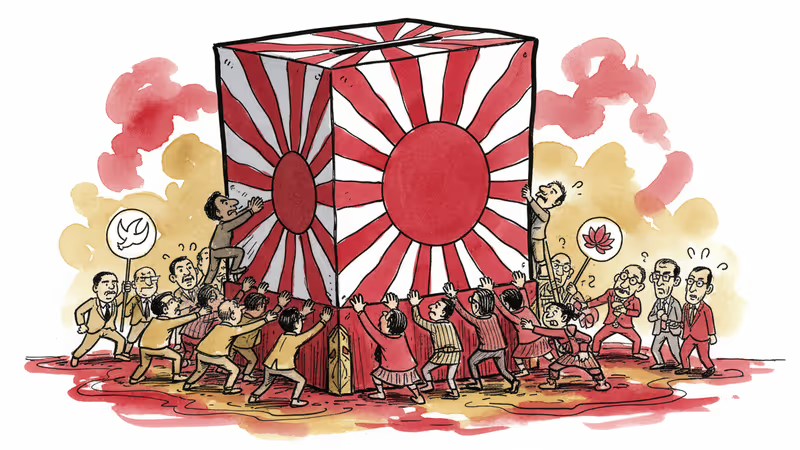
LDP-Japan Innovation Party alliance projected to win over 310 seats in Feb 8 election, potentially reshaping Japan's political landscape and regional influence.

The Bank of Japan held rates steady on Jan 23, 2026, but raised its inflation outlook as 10-year yields hit a 27-year high of 2.2%. Explore Gov. Ueda's strategy.

PM Sanae Takaichi is recalibrating the Abe vision for a new era. With bond yields at 27-year highs, her 'Japan First' approach marks a strategic shift in globalism.
As Iran-Israel tensions escalate, investors are rushing to safe-haven assets like gold, bonds, and defensive stocks. Economic visibility drops to near zero amid war fears.
LDP-Japan Innovation Party alliance projected to win over 310 seats in Feb 8 election, potentially reshaping Japan's political landscape and regional influence.
The Bank of Japan held rates steady on Jan 23, 2026, but raised its inflation outlook as 10-year yields hit a 27-year high of 2.2%. Explore Gov. Ueda's strategy.
PM Sanae Takaichi is recalibrating the Abe vision for a new era. With bond yields at 27-year highs, her 'Japan First' approach marks a strategic shift in globalism.
Thoughts
Share your thoughts on this article
Sign in to join the conversation