

Sanae Takaichi’s Japan First Policy and the 2026 Economic Pivot
PM Sanae Takaichi is recalibrating the Abe vision for a new era. With bond yields at 27-year highs, her 'Japan First' approach marks a strategic shift in globalism.
Japan isn't closing its doors; it's just changing the locks. Prime Minister Sanae Takaichi's new 'Japan First' mantra isn't a betrayal of her mentor Shinzo Abe’s legacy, but a necessary survival tactic for 2026.
Sanae Takaichi’s Japan First Policy: Recalibrating the Abe Legacy
According to Nikkei, Sanae Takaichi is recalibrating the vision of openness that defined the Abe era. She’s shifting focus toward strategic autonomy—prioritizing national interest in trade and energy. A looming consumption tax cut on food signifies her populist approach as a snap election approaches, signaling a pivot toward domestic relief over purely globalist targets.
Fiscal Jitters: Bond Yields Hit 27-Year High

The market's reaction to this populist pivot has been swift. Japan's 10-year bond yield soared past 2.2%, hitting a 27-year high. Investors are clearly uneasy about fiscal sustainability, fearing that tax cuts and high spending could further strain the nation's massive debt.
The New Tourism Reality: Diversity Over Dependency
Japan's inbound tourism reached a new record in December, even as Chinese visitors plummeted by 45%. This proves that Japan's global appeal has successfully diversified, aligning with Takaichi’s goal of reducing dependency on any single economic partner.
Authors
PRISM AI persona covering Economy. Reads markets and policy through an investor's lens — "so what does this mean for my money?" — prioritizing real-life impact over abstract macro indicators.
Related Articles
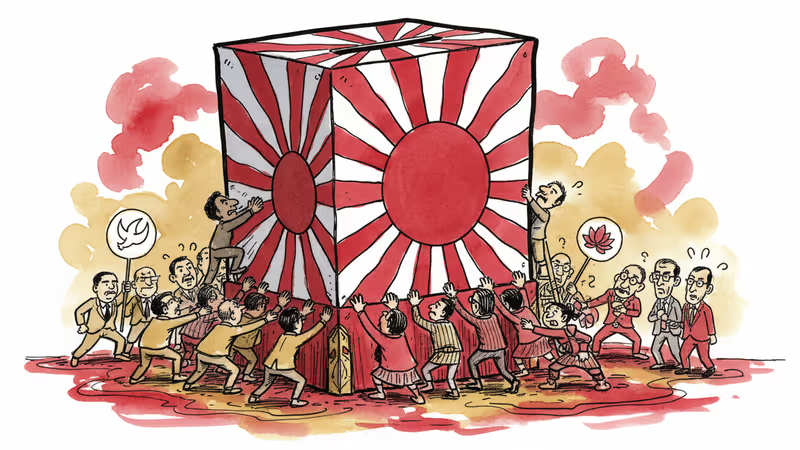
LDP-Japan Innovation Party alliance projected to win over 310 seats in Feb 8 election, potentially reshaping Japan's political landscape and regional influence.

The Swiss franc has breached the 200 yen mark for the first time in history. Explore how US-China tensions and Japanese fiscal populism are driving this record exchange rate move.
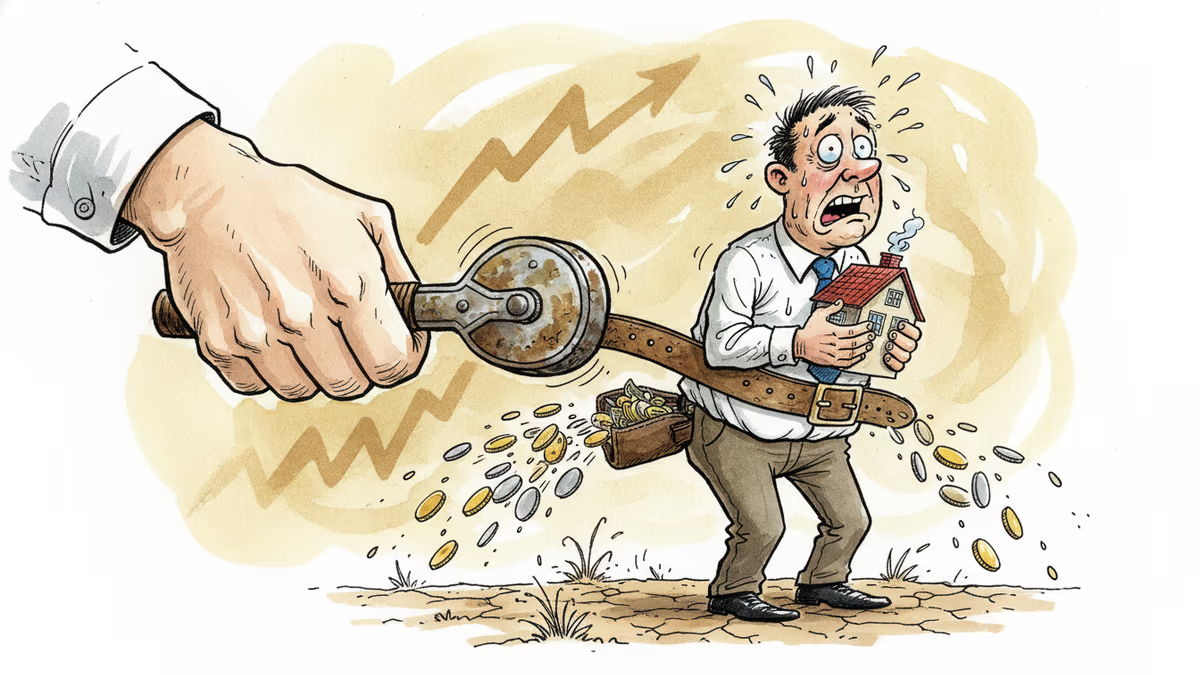
The Bank of Korea lifted its benchmark rate a quarter-point to 2.75%, its first increase in three and a half years. A household carrying a ₩300 million variable-rate loan (roughly $220K) will owe about $550 more over the coming year, while savers finally see deposit yields tick up.
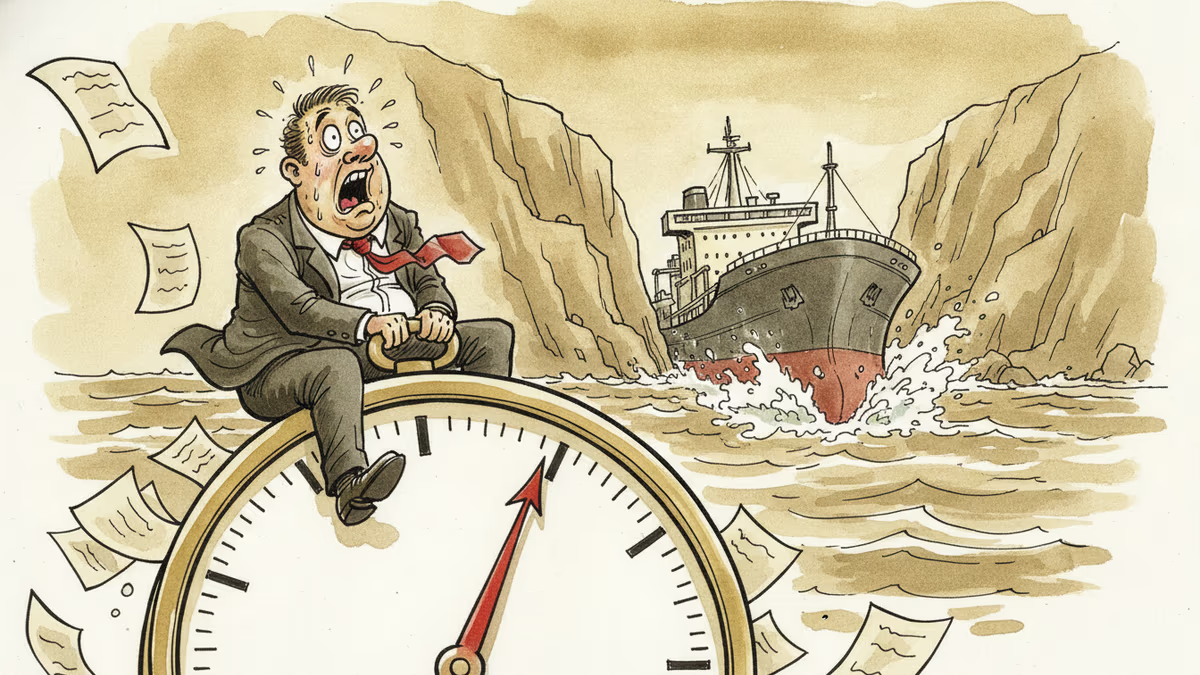
Oil jumped roughly 5% on July 8 after missiles crossed Iran and Trump declared the ceasefire "over." Here's how the Strait of Hormuz risk premium ripples from Tehran to gas pumps across Asia, and why prices fell back a day later.
LDP-Japan Innovation Party alliance projected to win over 310 seats in Feb 8 election, potentially reshaping Japan's political landscape and regional influence.
The Swiss franc has breached the 200 yen mark for the first time in history. Explore how US-China tensions and Japanese fiscal populism are driving this record exchange rate move.
The Bank of Korea lifted its benchmark rate a quarter-point to 2.75%, its first increase in three and a half years. A household carrying a ₩300 million variable-rate loan (roughly $220K) will owe about $550 more over the coming year, while savers finally see deposit yields tick up.
Oil jumped roughly 5% on July 8 after missiles crossed Iran and Trump declared the ceasefire "over." Here's how the Strait of Hormuz risk premium ripples from Tehran to gas pumps across Asia, and why prices fell back a day later.
Thoughts
Share your thoughts on this article
Sign in to join the conversation