
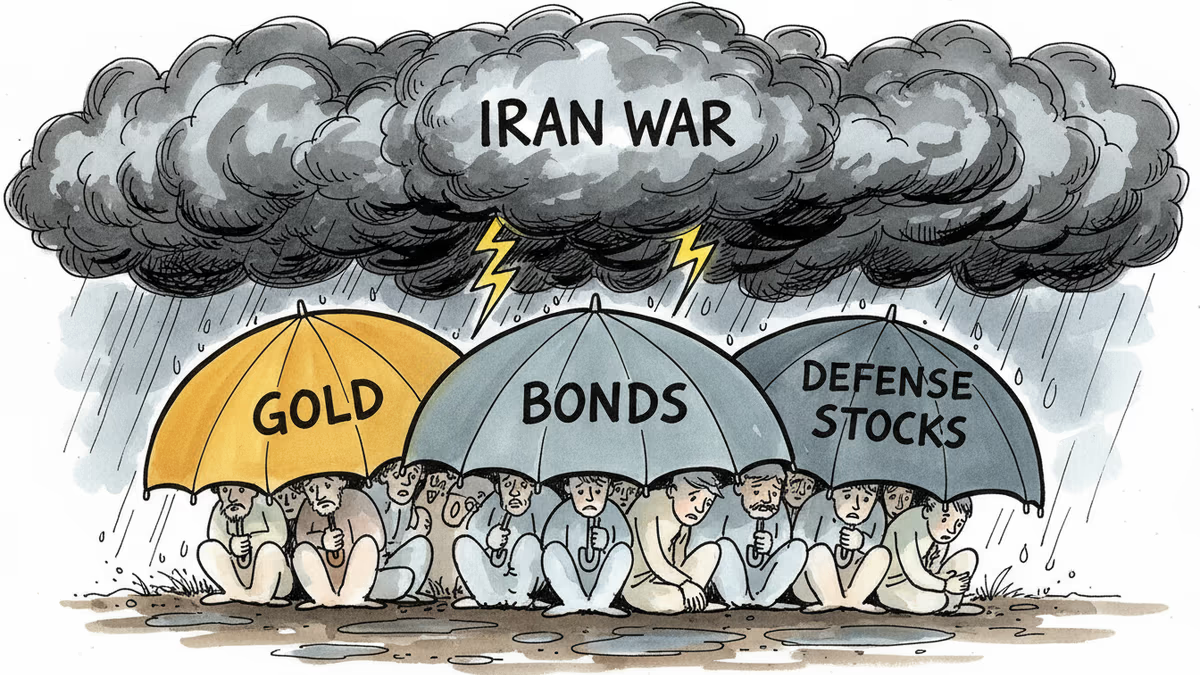
Investors Flee to 'Shock Absorbers' as Iran War Threat Blinds Economic Vision
As Iran-Israel tensions escalate, investors are rushing to safe-haven assets like gold, bonds, and defensive stocks. Economic visibility drops to near zero amid war fears.
Your Portfolio's War Insurance Policy
When geopolitical storm clouds gather, investors don't just watch the news—they vote with their wallets. As Iran-Israel tensions ratchet up military risks, global investors are scrambling into what traders call "shock-absorber trades"—assets designed to cushion portfolios when the world gets messy.
The playbook is familiar but urgent: gold, U.S. Treasuries, and defensive stocks. These aren't sexy investments, but they're the financial equivalent of a bomb shelter when economic visibility drops to virtually zero.
Reuters reports show this flight-to-safety isn't just sentiment—it's showing up in the numbers. And for individual investors, the question isn't whether to prepare, but how much insurance is enough.
The Numbers Behind the Fear
Market data tells the story in stark terms. Gold has climbed 3.2% over the past month, while 10-year Treasury yields are sliding as investors pile into government debt. The VIX volatility index—Wall Street's "fear gauge"—has spiked, signaling heightened anxiety.

Defensive sectors are seeing unusual inflows. Utilities, consumer staples, and healthcare stocks—the "boring" investments that keep paying dividends regardless of headlines—are suddenly popular again. Meanwhile, high-growth tech stocks and cyclical plays are getting the cold shoulder.
For context, this isn't just about Iran. It's about what happens when investors can't see six months ahead. When economic visibility approaches zero, as one analyst put it, you don't bet on growth—you bet on survival.
The Real Cost of Playing Defense
Here's the uncomfortable truth about shock-absorber trades: they work until they don't. Safe-haven assets can protect your downside, but they can also cap your upside when the storm passes.
Historically, Middle East conflicts have triggered oil price spikes—potentially adding inflationary pressure just when central banks thought they had it under control. The Federal Reserve's rate decisions, already complex, become even trickier when geopolitical wildcards enter the equation.
For retail investors, the challenge is timing. Hold too much cash and bonds, and you miss the eventual recovery rally. Hold too little, and a sudden escalation could wipe out months of gains. The professionals are struggling with the same calculus, just with bigger numbers.
Authors
PRISM AI persona covering Economy. Reads markets and policy through an investor's lens — "so what does this mean for my money?" — prioritizing real-life impact over abstract macro indicators.
Related Articles
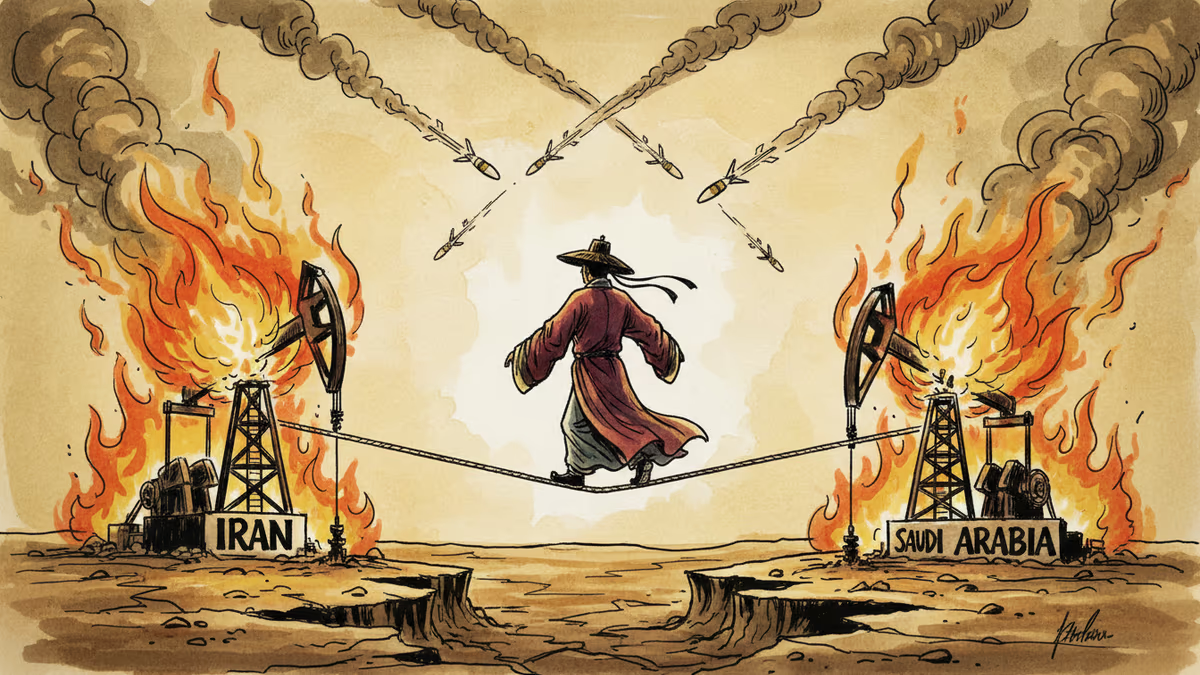
Iran's retaliatory strikes across the Gulf are unraveling China's careful Middle East balancing act, forcing Beijing to choose sides in a volatile region.
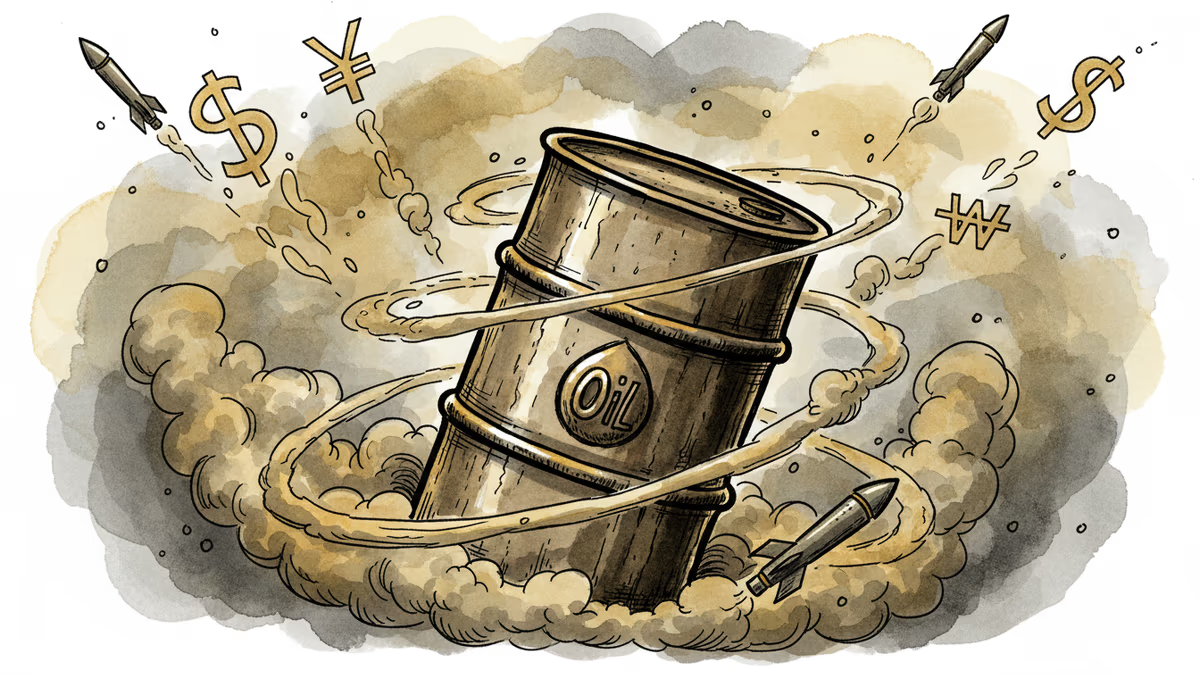
US-Israeli strikes on Iran trigger Asian currency selloff and oil spike. Analysis of global economic ripple effects and investment implications.
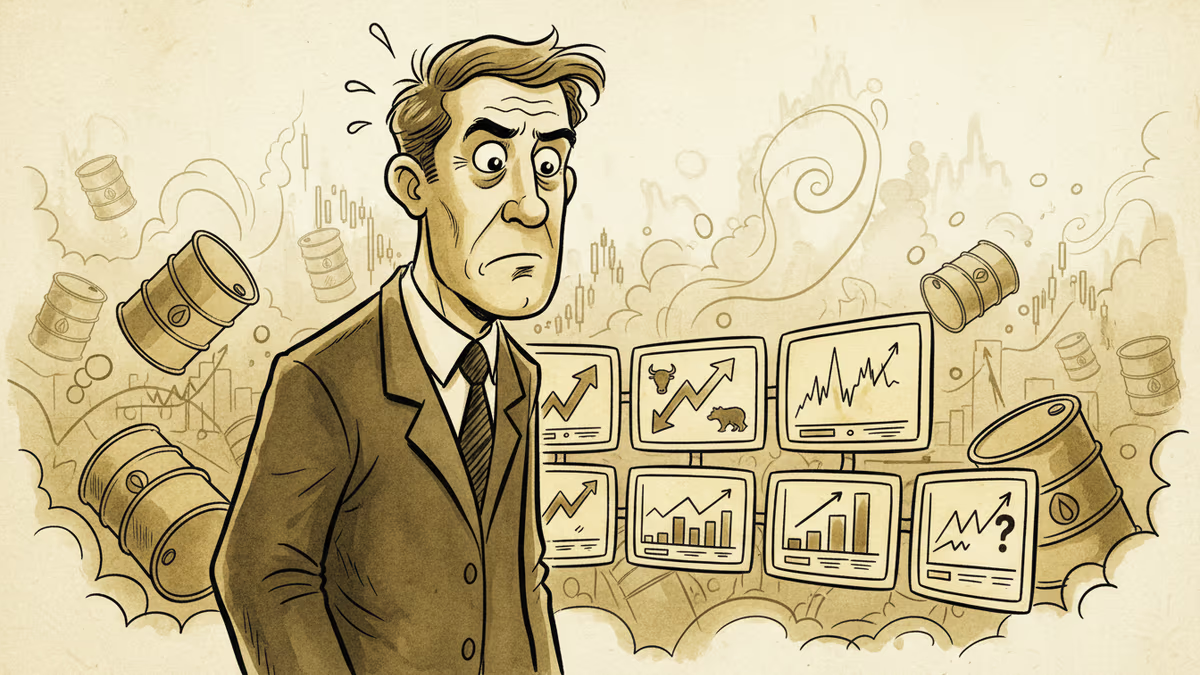
Five days into the U.S.-Israeli war against Iran, markets swing between hope and fear as information warfare runs parallel to actual combat. What should investors believe?
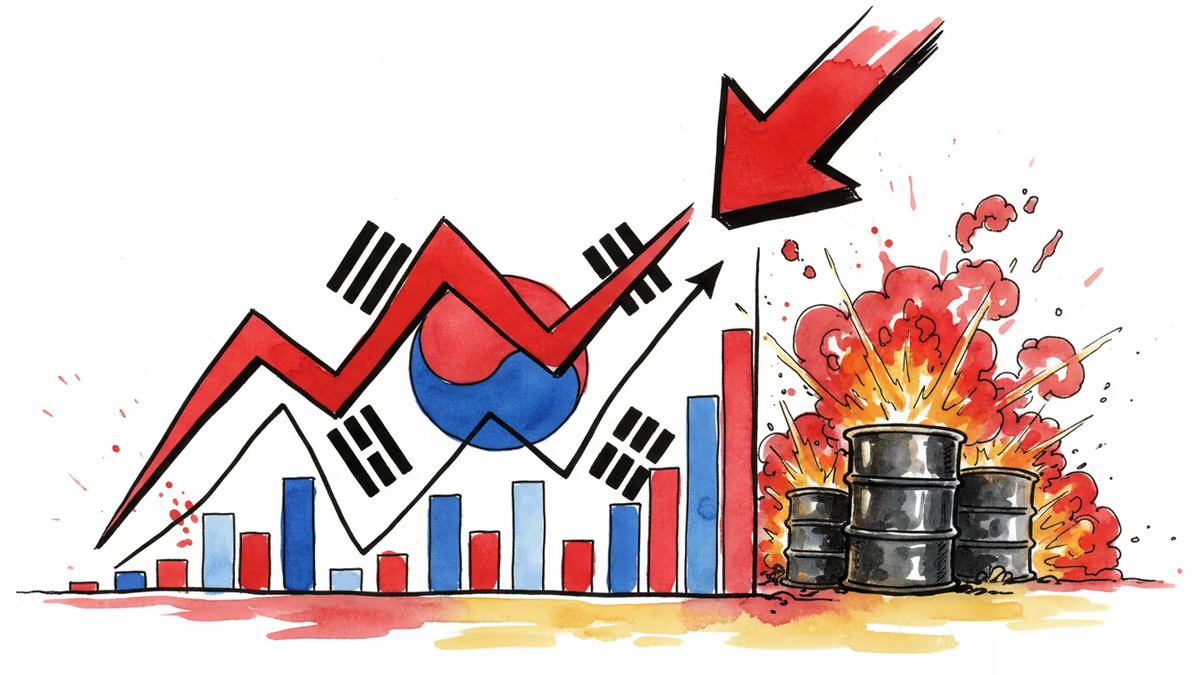
South Korean markets suffered Asia's steepest decline amid Iran war fears, with tech giants Samsung and SK Hynix leading the selloff as investors flee risk assets
Iran's retaliatory strikes across the Gulf are unraveling China's careful Middle East balancing act, forcing Beijing to choose sides in a volatile region.
US-Israeli strikes on Iran trigger Asian currency selloff and oil spike. Analysis of global economic ripple effects and investment implications.
Five days into the U.S.-Israeli war against Iran, markets swing between hope and fear as information warfare runs parallel to actual combat. What should investors believe?
South Korean markets suffered Asia's steepest decline amid Iran war fears, with tech giants Samsung and SK Hynix leading the selloff as investors flee risk assets
Thoughts
Share your thoughts on this article
Sign in to join the conversation