
Ring's Founder Goes on Defense, But Surveillance Concerns Remain
After Super Bowl ad backlash and AI surveillance features, Ring's founder explains himself. But the real issue isn't the ads—it's the technology itself.
When a Super Bowl Ad Reveals Too Much
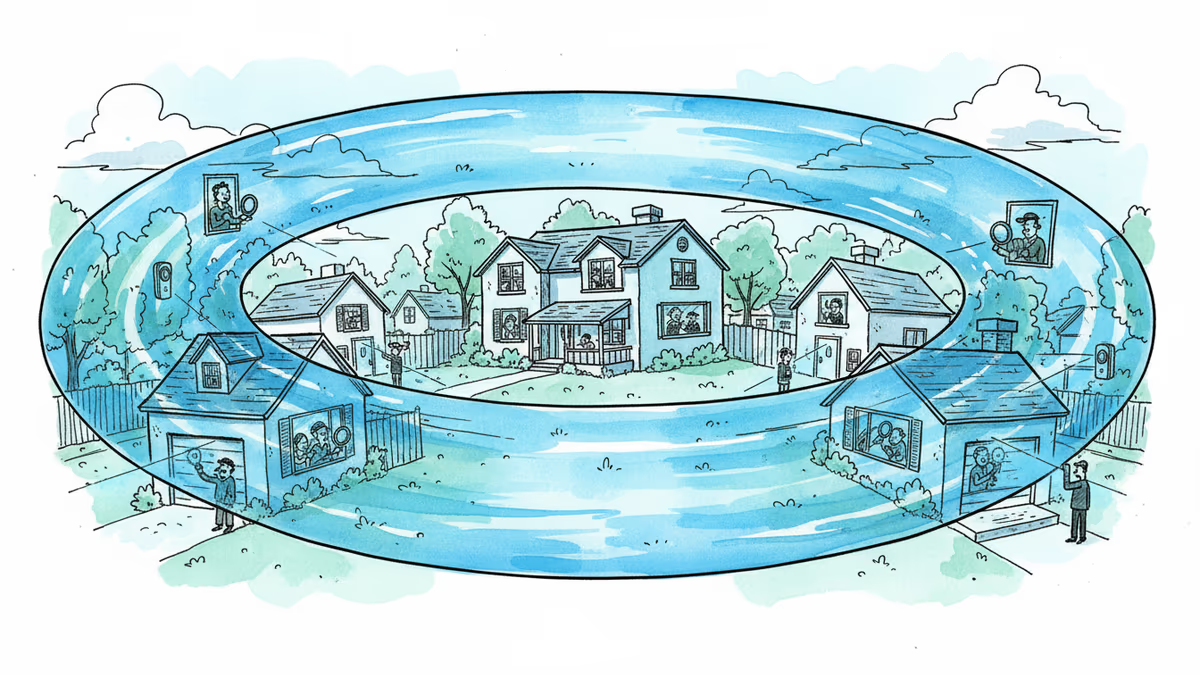
2.6 million Ring devices are installed across America. That number hit differently after Ring's Super Bowl commercial showed blue rings radiating outward from suburban homes—an image that viewers interpreted as mass surveillance in action.
Ring founder Jamie Siminoff is now on what The New York Times calls an "explanation tour." In interviews this week, he acknowledged that "maybe people were 'triggered' by an image in the ad" and promised fewer maps in future advertising. But this response misses the point entirely.
The Problem Isn't the Marketing—It's the Reality
Graphics in ads aren't the issue. The real concern is Ring's vast network of AI-powered cameras becoming a surveillance tool accessible to law enforcement. The company's new "Search Party" feature makes this explicit: users can ask neighboring Ring cameras to help find lost items or missing people.
Sounds helpful, right? But it's essentially crowdsourced surveillance with a friendly face. When your neighbor's "lost cat" search becomes a dragnet for monitoring who comes and goes in your neighborhood, the line between safety and surveillance blurs.
Law enforcement agencies have already made over 20,000 requests for Ring footage since 2019. While Ring says it requires warrants for most requests, "emergency" exceptions create loopholes that privacy advocates find troubling.

Two Sides of the Same Doorbell
For many users, Ring delivers genuine peace of mind. Single women, elderly residents, and parents appreciate the ability to see who's at their door or monitor package deliveries. Crime prevention is real—Ring has helped solve break-ins and identify suspicious activity.
But privacy researchers warn of a different reality: normalized surveillance that changes neighborhood dynamics. When everyone has cameras, social interactions shift. Kids playing in yards, delivery workers, even visitors feel watched. The psychological impact of constant monitoring affects entire communities.
Civil liberties groups point out another concern: mission creep. Today's doorbell camera becomes tomorrow's facial recognition system. Ring's AI already analyzes footage for "suspicious activity"—but who defines suspicious?
The Regulatory Response Gap
European regulators have already restricted similar surveillance technologies under GDPR. But in the US, Ring operates in a regulatory gray area. The company's privacy policies change frequently, and users often don't understand what data is collected or how it's shared.
Some cities like San Francisco have banned facial recognition technology, but private doorbell cameras fall outside these restrictions. The patchwork of local and state laws creates confusion about what's legal and what's ethical.
Authors
Related Articles

The Pentagon's clash with AI companies exposes a legal gray area around mass surveillance. OpenAI and Anthropic's opposing choices reveal deeper questions about privacy in the AI age.

Kohler's new recirculating smart shower system promises luxury and water conservation. But the price tag raises questions about who gets access to green tech.

Chicago's 45,000-camera surveillance network nabbed a mass shooter in 90 minutes. But at what cost to privacy and civil liberties?
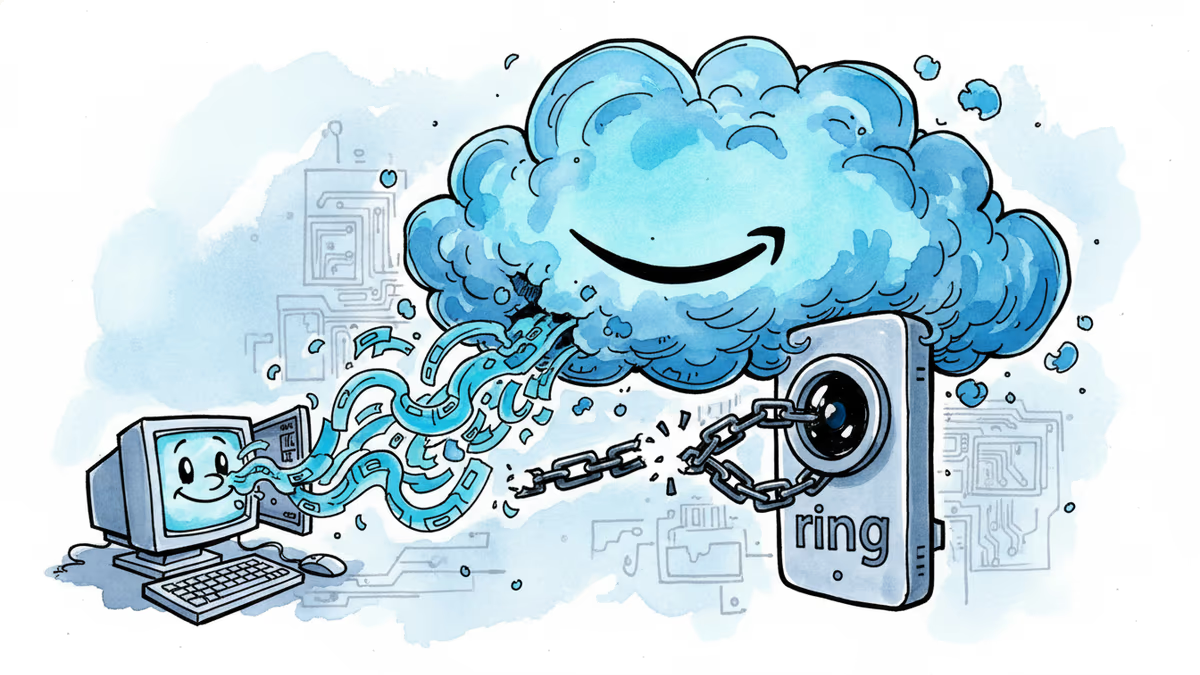
Consumer advocacy group offers $10,000 to integrate Ring doorbells with local servers, bypassing Amazon's cloud entirely. Can smart home devices escape subscription dependency?
The Pentagon's clash with AI companies exposes a legal gray area around mass surveillance. OpenAI and Anthropic's opposing choices reveal deeper questions about privacy in the AI age.
Kohler's new recirculating smart shower system promises luxury and water conservation. But the price tag raises questions about who gets access to green tech.
Chicago's 45,000-camera surveillance network nabbed a mass shooter in 90 minutes. But at what cost to privacy and civil liberties?
Consumer advocacy group offers $10,000 to integrate Ring doorbells with local servers, bypassing Amazon's cloud entirely. Can smart home devices escape subscription dependency?
Thoughts
Share your thoughts on this article
Sign in to join the conversation