
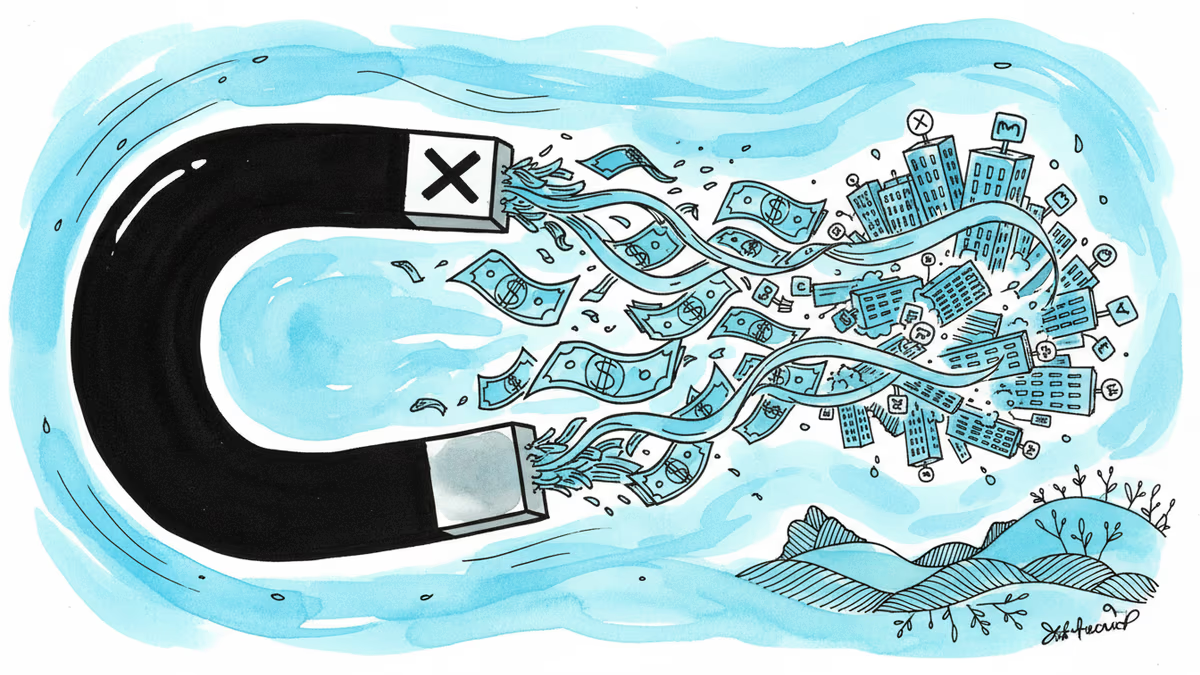
X Just Doubled Down on Creators with $45M — Here's Why
Elon Musk's X revamped its creator monetization with exclusive threads, new paywalls, and partnership labels. It's not just feature updates — it's a bid to reshape the creator economy.
$45 million. That's how much Elon Musk's X has paid out to creators since launching its revenue-sharing program. Yesterday, the company announced this pool will more than double in 2026, alongside a complete overhaul of its creator subscription tools. But this isn't just about better features — it's about survival.
From External Links to Native Monetization
X's latest update tackles creators' biggest pain points head-on. The standout feature? Exclusive threads that let creators monetize directly within X, no external newsletter or website required.
Previously, subscriber content lived in a separate tab, invisible to most users. Now it appears in the main feed, teasing value before hitting the paywall. Creators get shareable subscription cards, revamped analytics dashboards, and a streamlined two-step setup process.
The Paid Partnership label might seem minor, but it's crucial for compliance. Instead of hashtags, creators get an official label that can be added after posting — perfect for those "oops, forgot to disclose" moments.
Creators React: Cautious Optimism Meets Skepticism
The response splits along predictable lines. Financial analysts like @Banana3Stocks and @Jake_Wujastyk — among X's top earners — are bullish. They've found their niche in X's engagement-driven algorithm.
But many creators remain skeptical. "Too little, too late," says one influencer who requested anonymity. "Instagram and TikTok have mature creator funds. X is playing catch-up."

The bigger concern? X's revenue-sharing program has been criticized for incentivizing sensationalized content. Clickbait and rage-bait often perform better than thoughtful analysis, creating a race to the bottom.
The Super App Strategy Emerges
This week alone, X announced three major initiatives: standalone chat app X Chat, payments service X Money, and now enhanced creator tools. The pattern is clear — X isn't just competing with Twitter's legacy, it's chasing WeChat's super app model.
Creator monetization is the linchpin. Quality content increases user engagement. Higher engagement drives both ad revenue and adoption of new services like payments. It's a virtuous cycle — if it works.
X's timing isn't accidental. As traditional social platforms face regulatory scrutiny and creator burnout, there's an opening for a platform that promises both creative freedom and financial reward.
The Real Competition Isn't Other Platforms
While X battles Meta, Google, and ByteDance for creator attention, the deeper challenge is cultural. Can a platform known for controversy and rapid changes convince creators to build their livelihoods there?
Instagram offers stability. YouTube provides massive reach. TikTok delivers viral potential. X's selling point is different — it's positioning itself as the platform for authentic voices and unfiltered discourse.
But authenticity doesn't pay the bills. Creators need consistent income, predictable algorithms, and brand-safe environments. X is betting that doubling down on direct monetization can overcome these concerns.
Authors
Related Articles
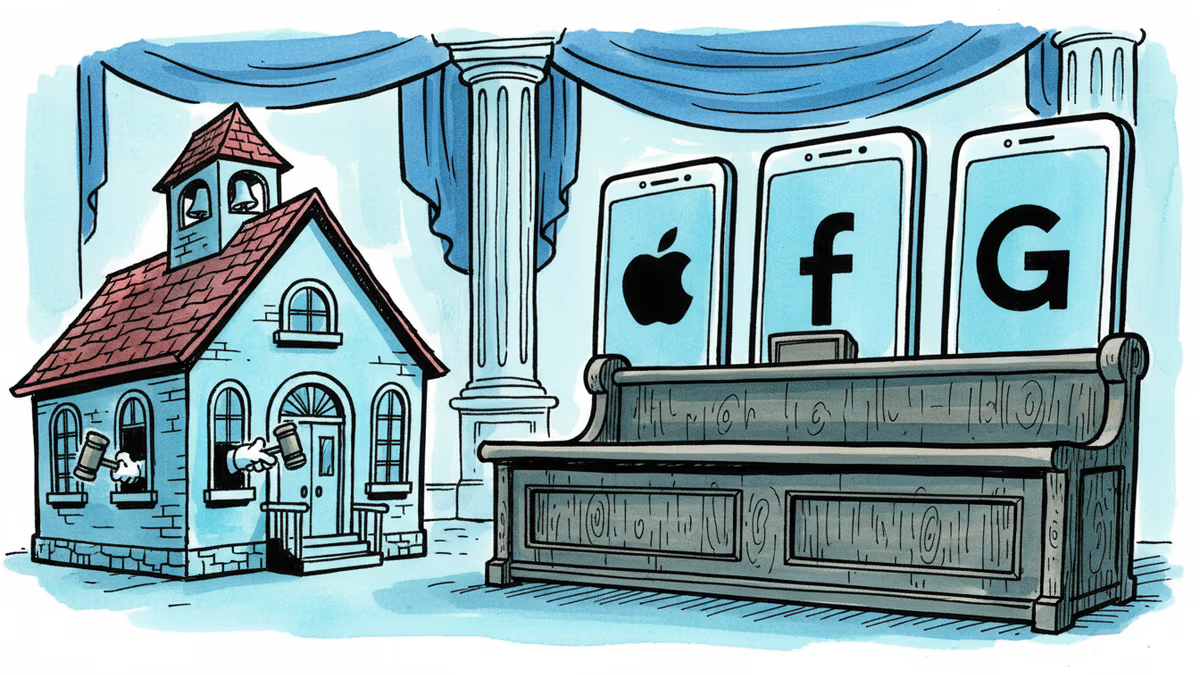
Snap, YouTube, and TikTok settled a landmark school district lawsuit over social media addiction. With 1,000+ similar cases pending, this could reshape Big Tech's liability landscape.
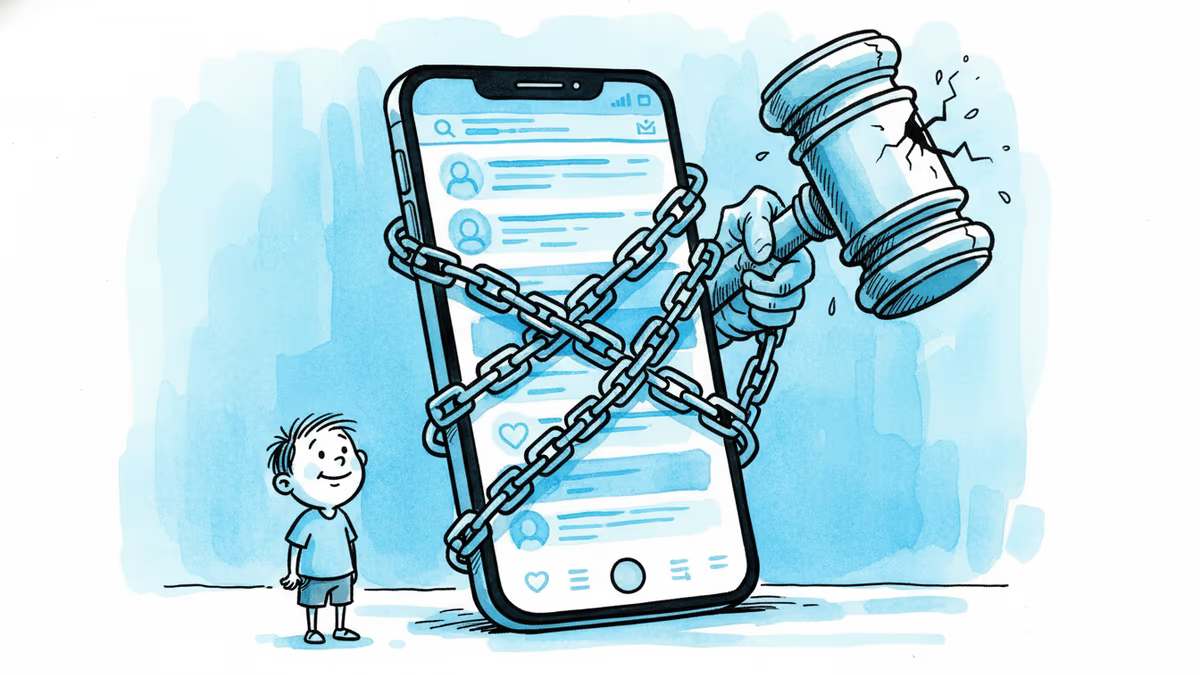
New Mexico already won $375 million from Meta. Now it wants something harder to give: a court order forcing Facebook, Instagram, and WhatsApp to redesign themselves. A three-week trial starts Monday.
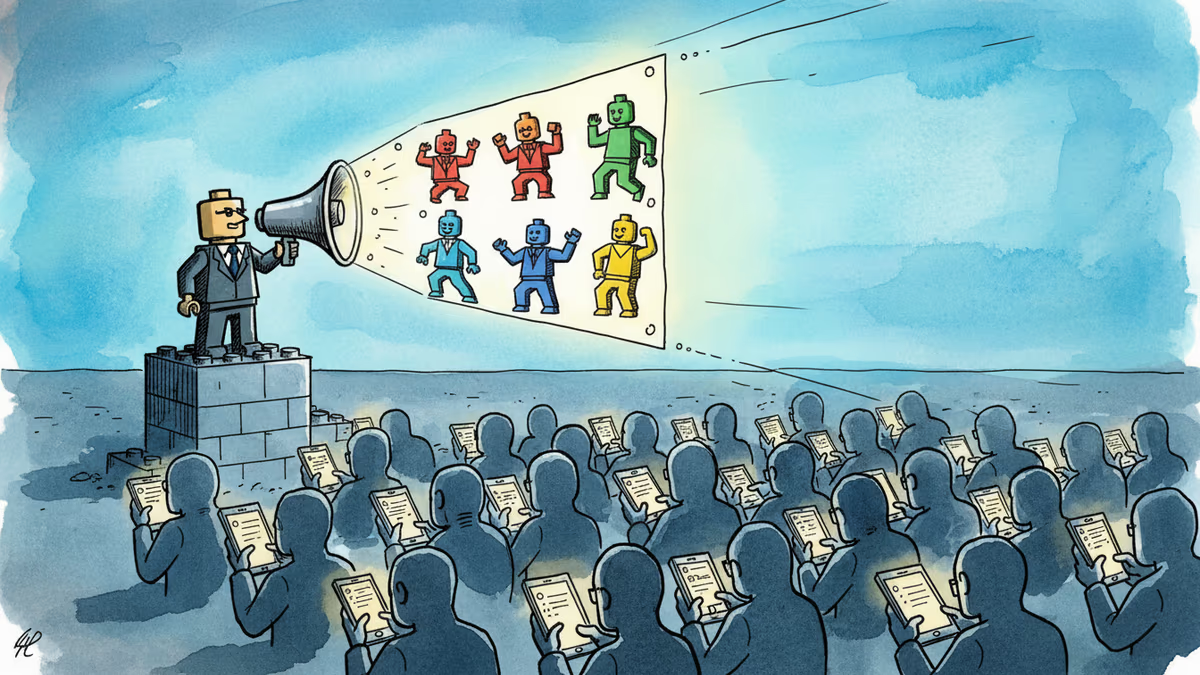
A small pro-Iran team is racking up millions of views with AI-generated Lego videos that mock Trump — and Americans are sharing them. What does that tell us about information warfare?
Reddit CEO Steve Huffman announced human verification for suspicious accounts. As AI bots flood the internet, one platform is drawing a line — but the line keeps moving.
Snap, YouTube, and TikTok settled a landmark school district lawsuit over social media addiction. With 1,000+ similar cases pending, this could reshape Big Tech's liability landscape.
New Mexico already won $375 million from Meta. Now it wants something harder to give: a court order forcing Facebook, Instagram, and WhatsApp to redesign themselves. A three-week trial starts Monday.
A small pro-Iran team is racking up millions of views with AI-generated Lego videos that mock Trump — and Americans are sharing them. What does that tell us about information warfare?
Reddit CEO Steve Huffman announced human verification for suspicious accounts. As AI bots flood the internet, one platform is drawing a line — but the line keeps moving.
Thoughts
Share your thoughts on this article
Sign in to join the conversation