
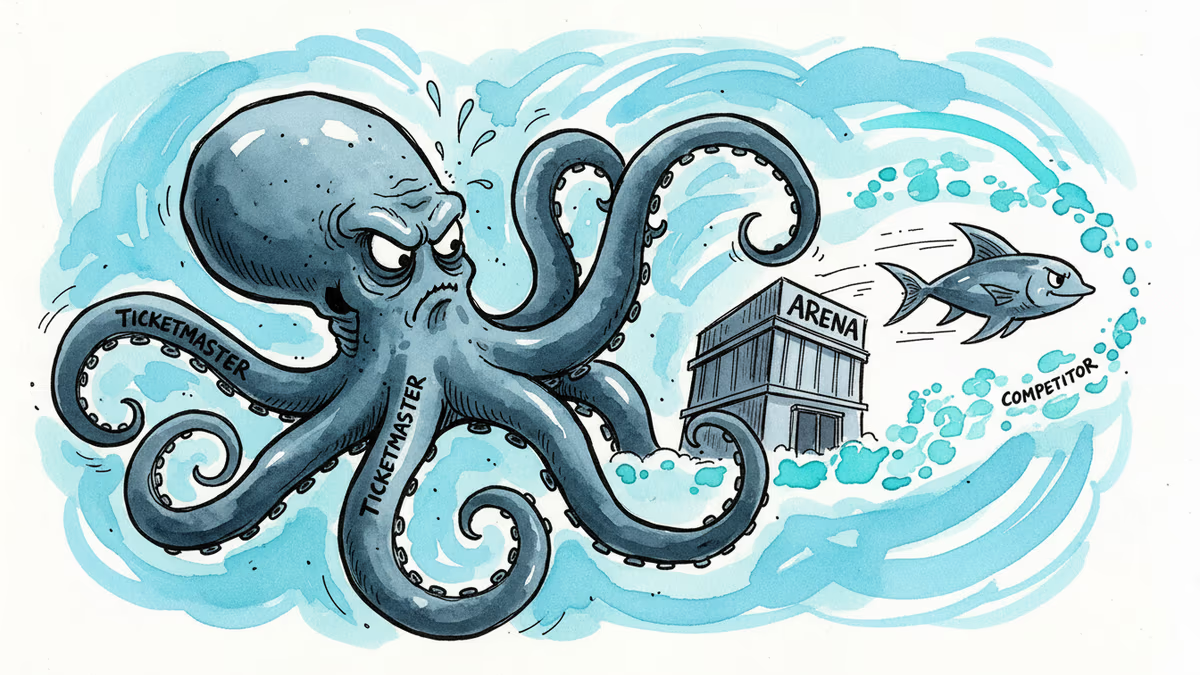
The Real Reason Ticketmaster Lost Brooklyn's Barclays Center
How Barclays Center chose SeatGeek over Ticketmaster reveals cracks in the ticketing giant's monopoly and what it means for consumers
When 80% Market Share Isn't Enough
John Abbamondi had an uncomfortable phone call to make in April 2021. As CEO of BSE Global, which runs Brooklyn's Barclays Center, he had to tell Ticketmaster they wouldn't be renewing their contract after 20 years. The reason? Ticketmaster's offer "was nowhere near as good as the other two."
Those other two were SeatGeek and AXS. SeatGeek won with superior technology, better financial terms, and even an equity stake in the company. For a monopoly that controls over 80% of the U.S. ticketing market, losing a major venue like Barclays wasn't just business—it was a wake-up call.
The Monopolist's Mistake: Taking Customers for Granted
Abbamondi's assessment was blunt: Ticketmaster "took us for granted." After decades of market dominance, the company seemed to assume venues had nowhere else to go. They were wrong.
SeatGeek offered something Ticketmaster didn't: innovation born from necessity. As the underdog, SeatGeek had to build better mobile interfaces, more intuitive seat selection, and competitive pricing. Meanwhile, Ticketmaster coasted on its monopoly position, making incremental improvements to decades-old systems.
The financial gap was telling. According to Abbamondi, Ticketmaster's economics "was nowhere near as good" as competitors. When you control most of the market, why compete on price?

What This Means for Concert-Goers
For consumers, the Barclays switch represents something rare: actual choice in ticketing. SeatGeek's mobile-first approach means cleaner interfaces and often transparent pricing without hidden fees. But here's the catch—they only service about 5% of venues nationwide.
This creates a fragmented experience. You might love SeatGeek's interface for Barclays events but still get stuck with Ticketmaster's fees for Madison Square Garden. The monopoly may be cracking, but it's far from broken.
The Regulatory Elephant in the Room
Ticketmaster's response to losing Barclays was predictable: better offers to other venues to prevent further defections. But this raises antitrust questions. If a company only improves service when facing competition, what does that say about their behavior during monopoly periods?
The Department of Justice has been circling Ticketmaster for years. The Barclays case provides concrete evidence of how monopoly power affects innovation and pricing. When venues can credibly threaten to leave, suddenly Ticketmaster finds ways to offer better terms.
The Innovation Paradox
Here's what's fascinating: Ticketmaster isn't technologically incompetent. They have the resources to build better systems. But monopolies rarely innovate unless forced to. Why spend money improving when customers have no alternatives?
SeatGeek's success at Barclays proves that ticketing technology can be better. The question is whether market forces alone can drive widespread improvement, or if regulatory intervention is needed to break up entrenched monopolies.
Authors
Related Articles
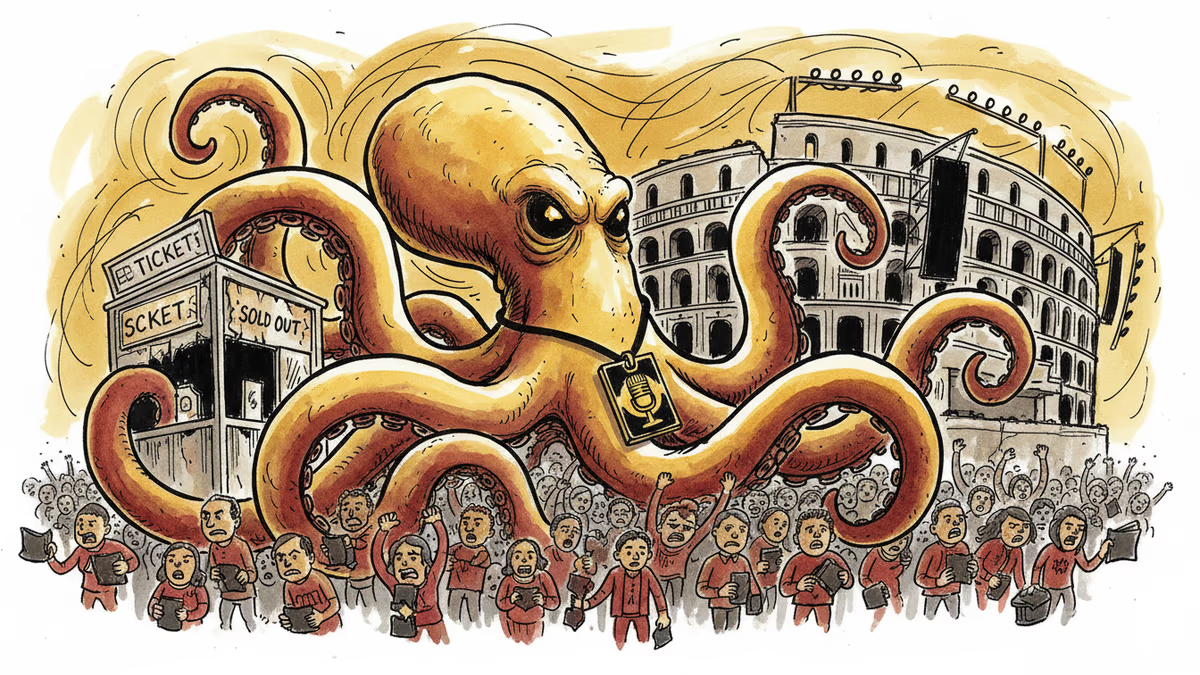
A federal jury ruled Live Nation operated as an illegal monopoly. Slack messages mocking customers, a possible Ticketmaster breakup, and what it means for every concert ticket you've ever bought.
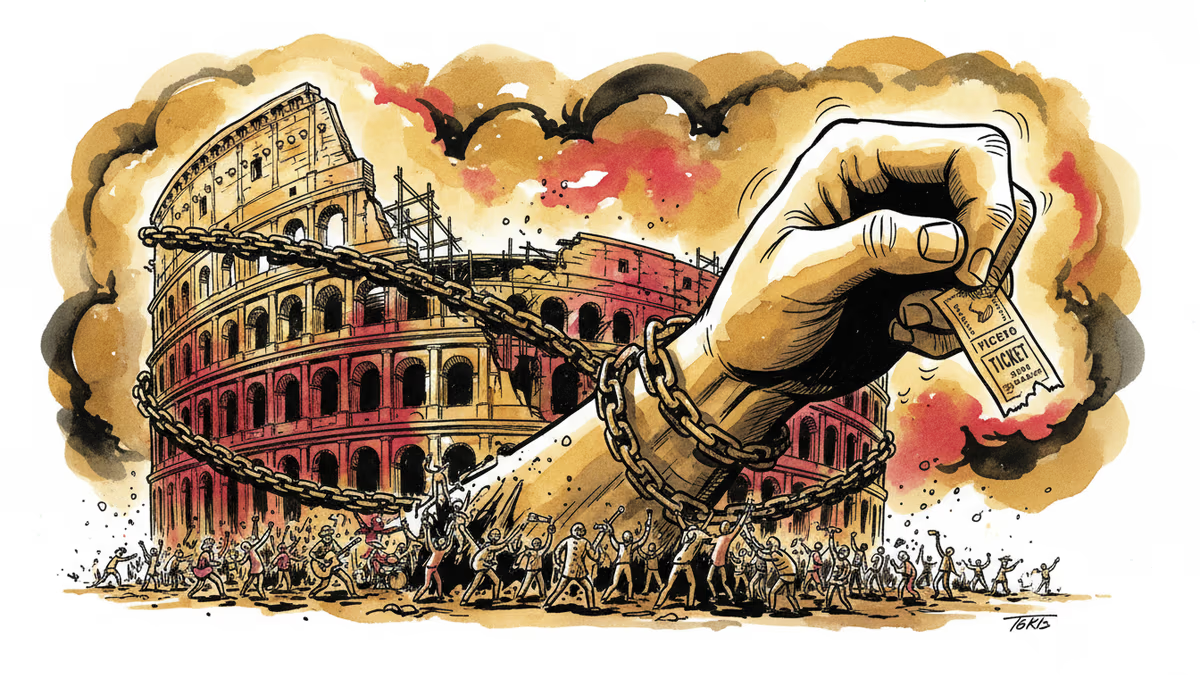
A 2021 audio recording between two CEOs sits at the heart of the US anti-monopoly case against Live Nation. As the DOJ settles, dozens of states press on — and the concert industry watches nervously.
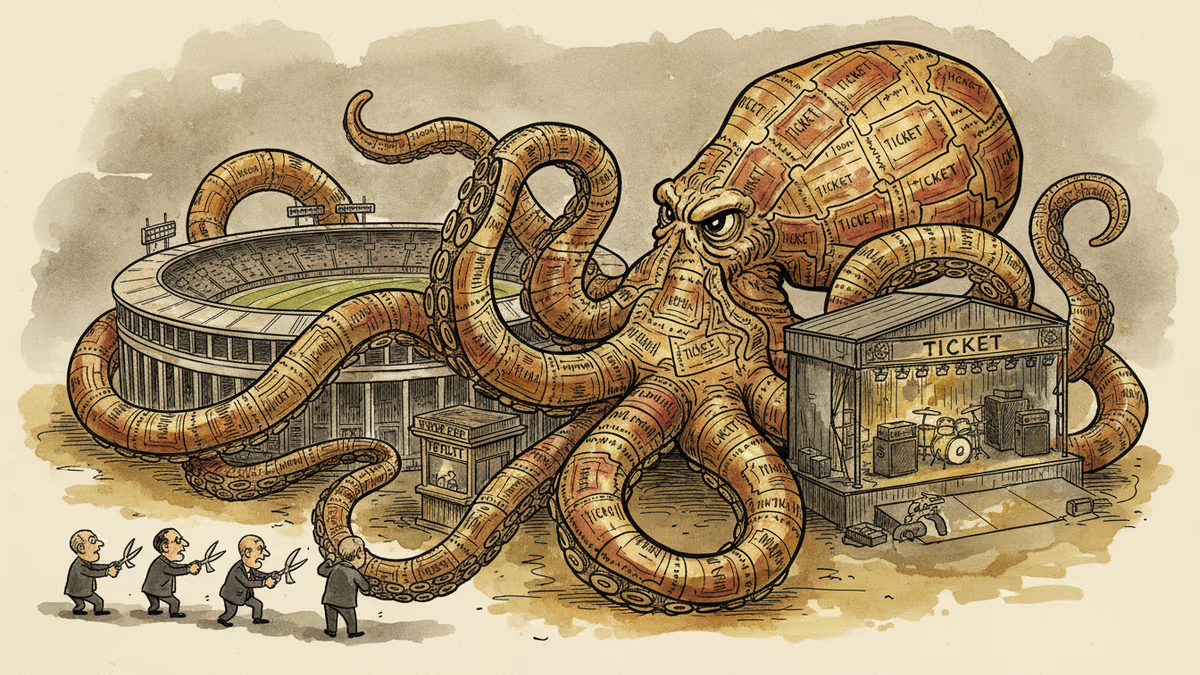
Live Nation-Ticketmaster settled a federal antitrust lawsuit, but reports suggest no forced split. With 27 states pressing on, is this the end—or just halftime?
Spotify partners with SeatGeek for seamless ticket buying. Can this challenge Ticketmaster's venue monopoly or just create new platform dependencies?
A federal jury ruled Live Nation operated as an illegal monopoly. Slack messages mocking customers, a possible Ticketmaster breakup, and what it means for every concert ticket you've ever bought.
A 2021 audio recording between two CEOs sits at the heart of the US anti-monopoly case against Live Nation. As the DOJ settles, dozens of states press on — and the concert industry watches nervously.
Live Nation-Ticketmaster settled a federal antitrust lawsuit, but reports suggest no forced split. With 27 states pressing on, is this the end—or just halftime?
Spotify partners with SeatGeek for seamless ticket buying. Can this challenge Ticketmaster's venue monopoly or just create new platform dependencies?
Thoughts
Share your thoughts on this article
Sign in to join the conversation