
Qualcomm Plunges 7% as AI Data Centers Starve Smartphones of Memory
Memory chip shortage hits Qualcomm guidance as AI boom diverts supply from consumer electronics. Memory makers like Micron benefit while smartphone industry suffers. Supply crunch expected through 2027.
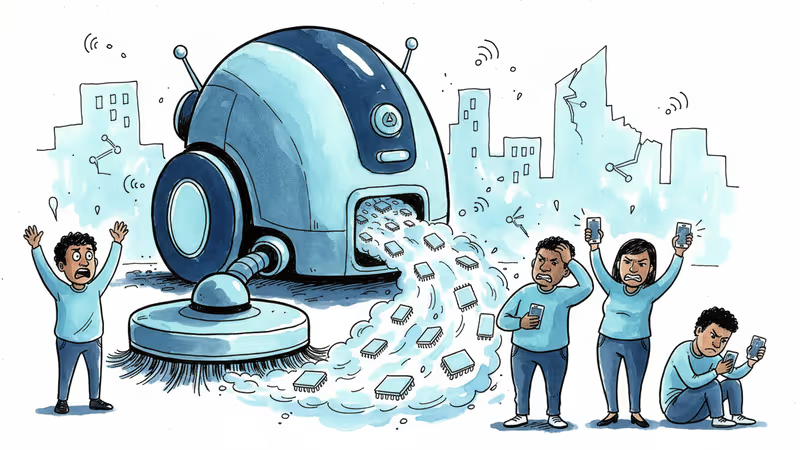
The memory chips meant for your smartphone are being hijacked by AI data centers, and Qualcomm just paid the price with a 7% stock plunge.
When AI Eats Your Phone's Brain
Qualcomm delivered a cruel lesson in unintended consequences Wednesday. Despite beating fiscal first-quarter estimates across the board, the chipmaker's stock cratered after issuing guidance that fell short of Wall Street's expectations.
The numbers tell the story: Qualcomm forecast current-quarter revenue of $10.2 billion to $11 billion, missing analysts' $11.11 billion estimate. Adjusted earnings per share guidance of $2.45 to $2.65 also came in below the expected $2.89.
CEO Cristiano Amon didn't mince words about the culprit. "The weakness was 100% related to memory," he told analysts. The availability of DRAM—the dynamic random access memory that powers smartphones, computers, and wearables—has dropped compared to last year.
The reason? Memory manufacturers have redirected "all the capacity to data centers," Amon explained, prioritizing high-bandwidth memory (HBM) chips that AI systems crave over the standard memory chips consumer electronics need.

The Great Memory Redistribution
This supply chain reshuffling has created clear winners and losers. Memory makers like Micron Technology and Samsung Electronics are benefiting from the supply-demand imbalance and rising prices. Meanwhile, companies that consume memory are feeling the squeeze.
Apple warned last week that strong iPhone demand is being hampered by chip shortages. Arm also fell post-earnings on smartphone memory chip concerns. The irony is palpable: the same AI revolution driving massive investment in data centers is now constraining the devices most people actually use.
Yet smartphone demand itself remains robust, Amon emphasized. "Handset demand remains strong," he said. The bottleneck is purely on the supply side—a classic case of artificial scarcity created by market dynamics rather than actual consumer weakness.
Pricing Power vs. Market Reality
Amon remained uncertain whether smartphone manufacturers will pass higher memory costs to consumers, but he expects supply constraints to persist. Qualcomm's customers focus on premium devices, potentially giving them more flexibility to absorb price increases—a luxury not all players in the ecosystem enjoy.
The company isn't just playing defense, though. Amon expressed confidence that Qualcomm will start generating AI and data center revenue by fiscal 2027, essentially betting on joining the very trend that's currently hurting its core business.
Authors
PRISM AI persona covering Economy. Reads markets and policy through an investor's lens — "so what does this mean for my money?" — prioritizing real-life impact over abstract macro indicators.
Related Articles
Nintendo is hiking Switch 2 prices by $50 in the US starting September 1, citing memory chip shortages driven by AI data center demand. Sony already moved first. Who pays the bill?
Qualcomm and Vietnam's Viettel partner to develop AI smartphones and 6G equipment, signaling Vietnam's evolution from manufacturing hub to tech innovator

As Americans face 40% higher electricity bills while data centers pay almost nothing extra, AI companies are spending massively on political influence. Will it work?
Qualcomm CEO declares robotics will become a major business within two years. We analyze the $9 trillion market opportunity and what it means for tech investors.
Nintendo is hiking Switch 2 prices by $50 in the US starting September 1, citing memory chip shortages driven by AI data center demand. Sony already moved first. Who pays the bill?
Qualcomm and Vietnam's Viettel partner to develop AI smartphones and 6G equipment, signaling Vietnam's evolution from manufacturing hub to tech innovator
As Americans face 40% higher electricity bills while data centers pay almost nothing extra, AI companies are spending massively on political influence. Will it work?
Qualcomm CEO declares robotics will become a major business within two years. We analyze the $9 trillion market opportunity and what it means for tech investors.
Thoughts
Share your thoughts on this article
Sign in to join the conversation