

Pinterest's Authenticity Crisis: How AI 'Slop' Turned Inspiration into Enshittification
Pinterest, once a haven for creativity, is now flooded with low-quality AI-generated 'slop' and fraudulent 'ghost stores,' leading to a user experience crisis known as 'enshittification.'
Pinterest was built on human creativity. Now, users say it's being overrun by an army of AI-generated ghosts. For five years, Caitlyn Jones used the platform for recipes, but after a nonsensical AI-generated recipe for chicken led to a watery, bland dinner, she deleted the app for good. According to a WIRED report, her experience is just the tip of the iceberg of a much larger problem.
The Rise of 'Enshittification'
Author Cory Doctorow coined the term 'enshittification' to describe the decay of online platforms as they prioritize profits over user experience. Many argue that's exactly what's happening to Pinterest. In late 2022, the company began rebranding itself as an “AI-powered shopping assistant,” showering feeds with ads. When WIRED searched for “ballet pumps,” over 40 percent of the first 73 Pins shown were ads.
The problem was amplified when Pinterest launched a generative AI tool for advertisers, opening the floodgates for low-quality, mass-produced content known as 'AI slop.' Alexios Mantzarlis of Cornell Tech describes it as an “unappetizing gruel being forcefully fed to us,” noting that image-heavy platforms like Pinterest are more susceptible than video-led sites.
Ghost Stores and Uncanny Valleys

The AI slop isn't just benignly weird. Users clicking on AI-generated images are often funneled to generic blogs littered with pop-ups. Janet Katz, a user from Texas, called it the “décor equivalent of the uncanny valley” after repeatedly finding interior design images with physics-defying furniture, like coffee tables with two legs.
More troubling is the proliferation of fraudulent 'ghost stores.' WIRED investigated 25 ads on Pinterest and found many led to nearly identical fake e-commerce sites. These sites offered steep discounts, had no physical address, and featured synthetic-seeming photos of owners with generic origin stories. In response to WIRED's findings, Pinterest deactivated 15 of the sites for policy violations.
Pinterest's Response: Too Little, Too Late?
Human creators feel their authentic content is being drowned out. One jewelry maker reported her monthly page views on Pinterest plummeted to less than 5,000, while her content performs much better on Instagram and TikTok. Pinterest has introduced “Gen AI Labels” and tools for users to customize how much AI content they see.
However, critics point out these labels only appear after a user clicks on a Pin and don't apply to ads. The platform's struggles appear to be financial as well; Pinterest's shares tanked 20 percent last month after a disappointing revenue outlook, suggesting that its pivot to AI-driven commerce may be backfiring.
Authors
Related Articles
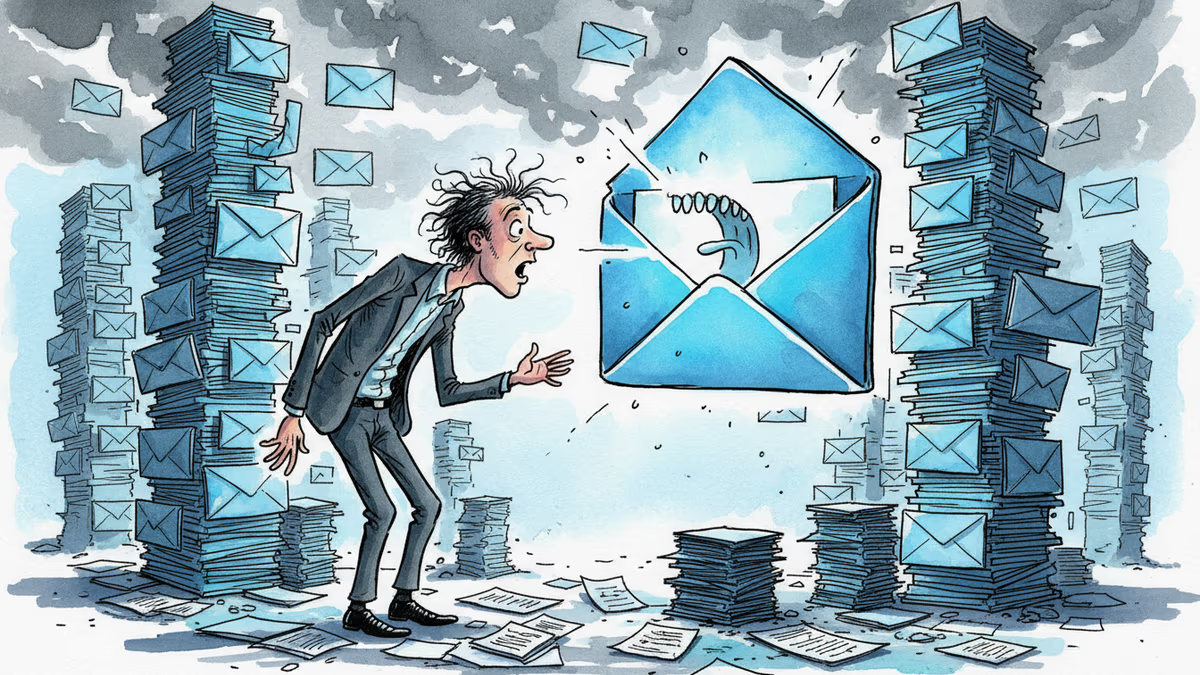
Google's Gmail Live lets you ask your inbox questions out loud. Announced at I/O 2026, it's AI's pitch to skeptics — and a reminder of how much Google already knows about you.
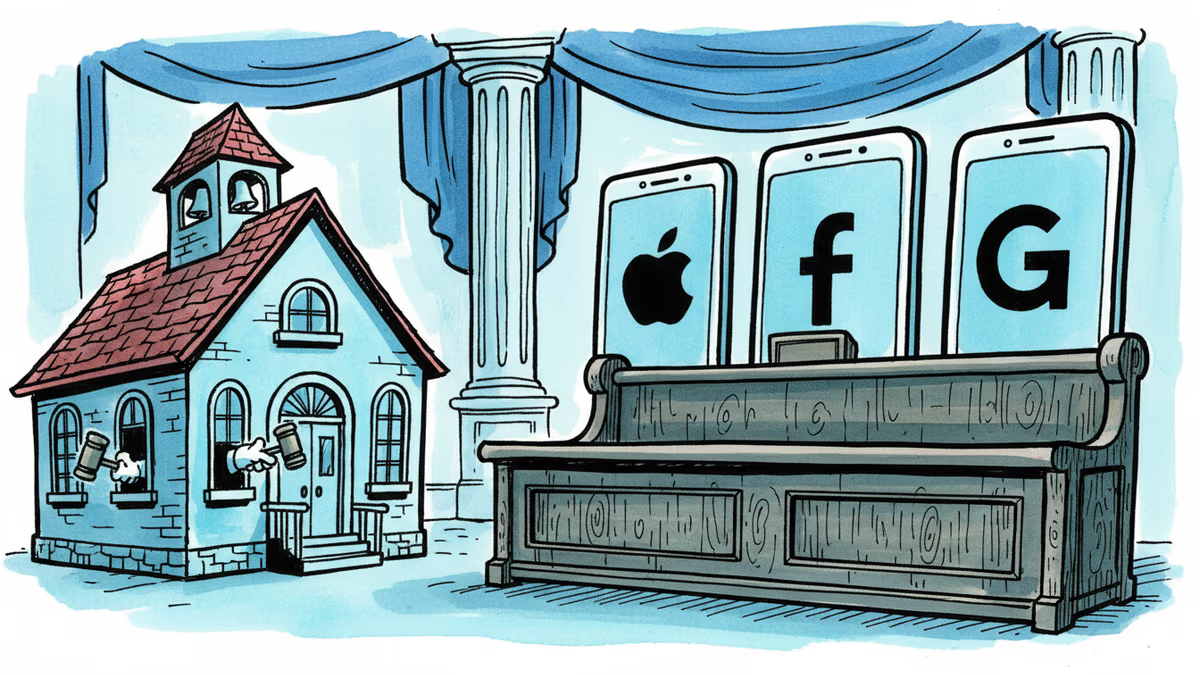
Snap, YouTube, and TikTok settled a landmark school district lawsuit over social media addiction. With 1,000+ similar cases pending, this could reshape Big Tech's liability landscape.
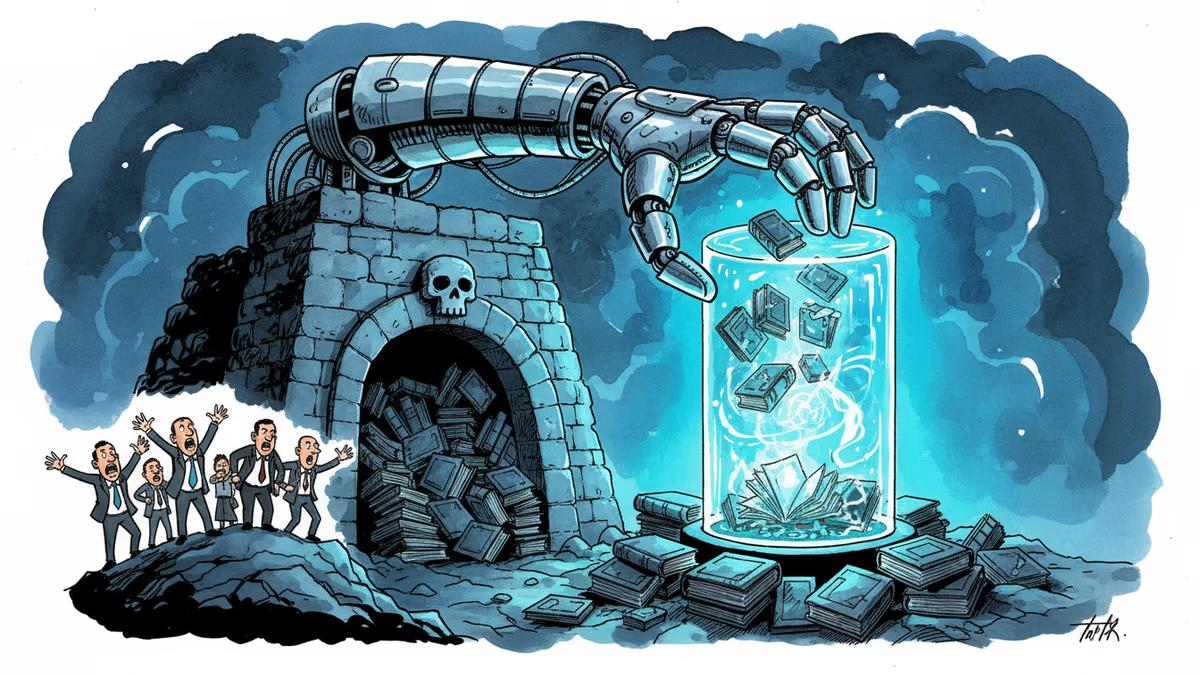
Five major publishers and author Scott Turow have filed a class action lawsuit against Meta, alleging the company used illegal pirate sites like LibGen to train its Llama AI models without permission.
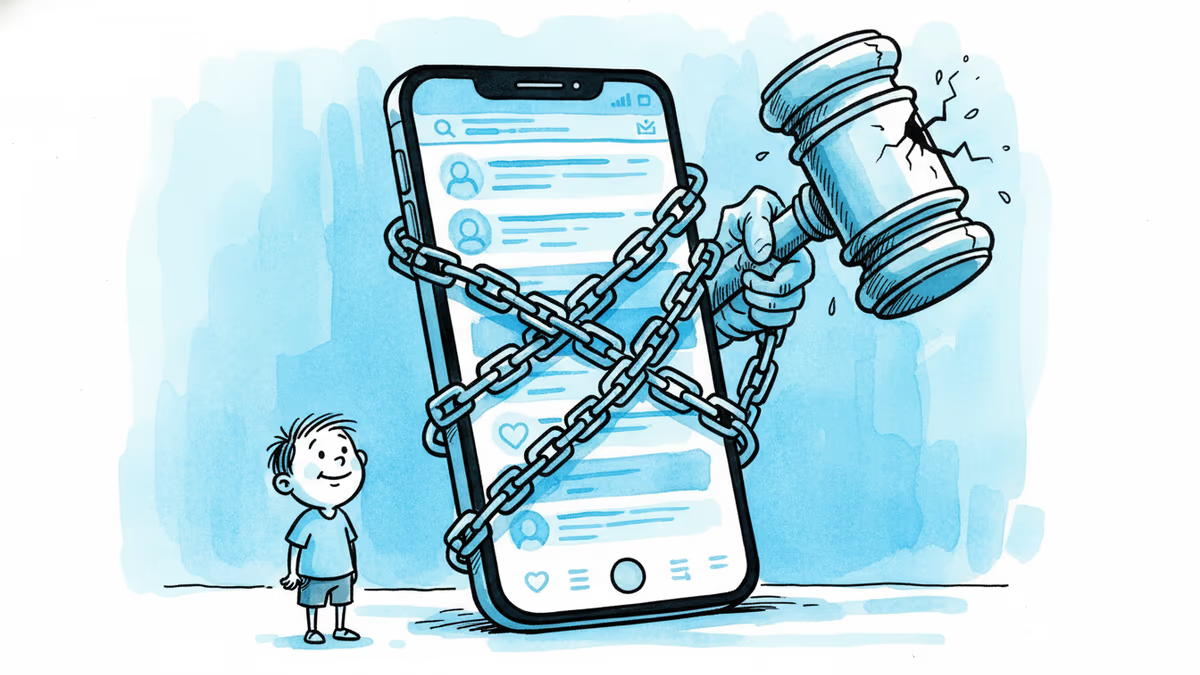
New Mexico already won $375 million from Meta. Now it wants something harder to give: a court order forcing Facebook, Instagram, and WhatsApp to redesign themselves. A three-week trial starts Monday.
Google's Gmail Live lets you ask your inbox questions out loud. Announced at I/O 2026, it's AI's pitch to skeptics — and a reminder of how much Google already knows about you.
Snap, YouTube, and TikTok settled a landmark school district lawsuit over social media addiction. With 1,000+ similar cases pending, this could reshape Big Tech's liability landscape.
Five major publishers and author Scott Turow have filed a class action lawsuit against Meta, alleging the company used illegal pirate sites like LibGen to train its Llama AI models without permission.
New Mexico already won $375 million from Meta. Now it wants something harder to give: a court order forcing Facebook, Instagram, and WhatsApp to redesign themselves. A three-week trial starts Monday.
Thoughts
Share your thoughts on this article
Sign in to join the conversation