
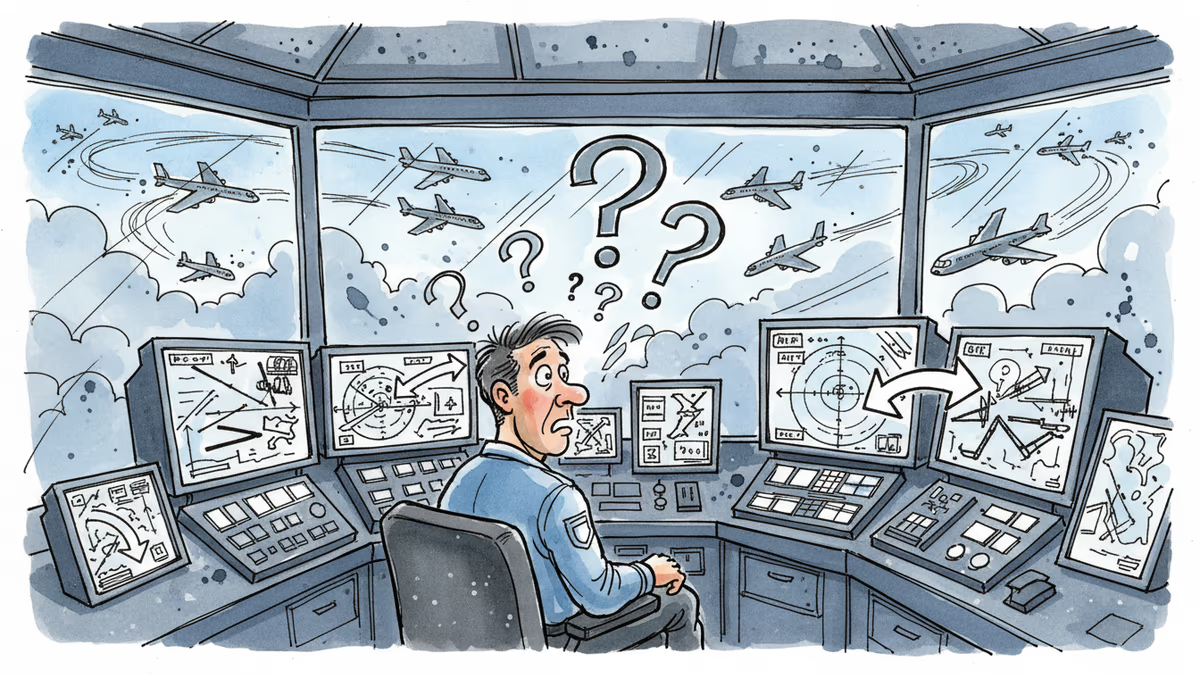
Airport Closed for 10 Hours, Then Reopened. What Really Happened?
El Paso Airport's sudden closure and reopening raises questions about drone threats, government transparency, and border security protocols.
A 10-Hour U-Turn That Raises More Questions Than Answers
Tuesday night: The FAA shuts down El Paso International Airport airspace up to 18,000 feet. Duration: 10 days. Reason: Classified.
Wednesday morning: Same airspace reopens after just 10 hours. New reason: "Cartel drone incursion," according to Transportation Secretary Sean Duffy.
The timeline doesn't add up. Neither does the explanation.
Why El Paso Matters More Than You Think
El Paso International isn't just another regional airport. It sits 5 miles from the Mexican border and serves 4 million passengers annually. More critically, it's adjacent to Fort Bliss Army Base and serves as a strategic hub for border patrol operations.
If cartel drones really penetrated this airspace, it represents a significant escalation in cross-border threats. But here's the technical problem: most commercial drones max out at 400 feet. Reaching 18,000 feet requires military-grade equipment that cartels typically don't possess.
So what really happened?
Three Competing Theories
Theory 1: Genuine Threat Cartels have increasingly sophisticated drone operations for surveillance and smuggling. Recent intelligence might have detected an unusually advanced incursion requiring immediate airspace protection.

Theory 2: False Alarm Detection systems misidentified aircraft or experienced technical failures. The 10-hour reversal suggests initial intelligence was flawed or incomplete.
Theory 3: Political Theater The Trump administration wanted to demonstrate border security vigilance. The dramatic closure-and-reopening sequence sends a message about taking threats seriously while minimizing economic disruption.
The Aviation Industry's Real Concern
El Paso's closure disrupted dozens of flights, forcing costly diversions and passenger delays. Airlines absorbed significant unplanned expenses, but that's not their biggest worry.
The real issue is unpredictability. Airlines can handle security threats when they're communicated clearly and consistently. What they struggle with is sudden policy reversals without transparent explanations.
"We need to know the rules of engagement," one airline executive told industry publications. "Are border airports now subject to immediate closure based on unverified threats? That changes our entire risk calculation."
Other border airports—San Diego, Tucson, Brownsville—are watching nervously. If El Paso can be shut down with 10 hours notice, so can they.
The Transparency Problem
Government officials face a genuine dilemma: How much can they reveal about security threats without compromising operational effectiveness?
If the drone threat was real, disclosing detection methods or response protocols could help bad actors evade future countermeasures. But if the threat was overstated, admitting the mistake undermines public confidence in security agencies.
The 10-hour timeline suggests either:
- Initial intelligence was wrong
- The threat was neutralized faster than expected
- Political considerations outweighed security concerns
None of these explanations inspire confidence in the decision-making process.
Authors
Related Articles
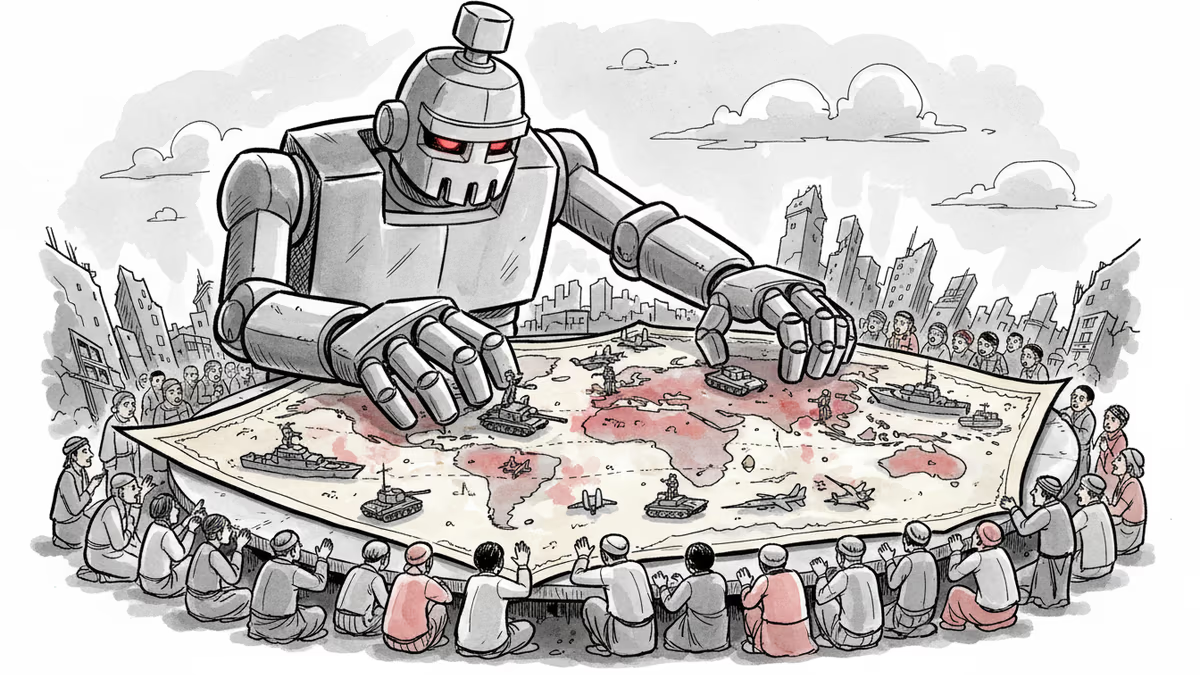
Middle East conflict reveals AI weapons reality. Claude AI selects targets, drones attack autonomously. 90% accuracy, zero regulation. The gap between deployment and governance widens.
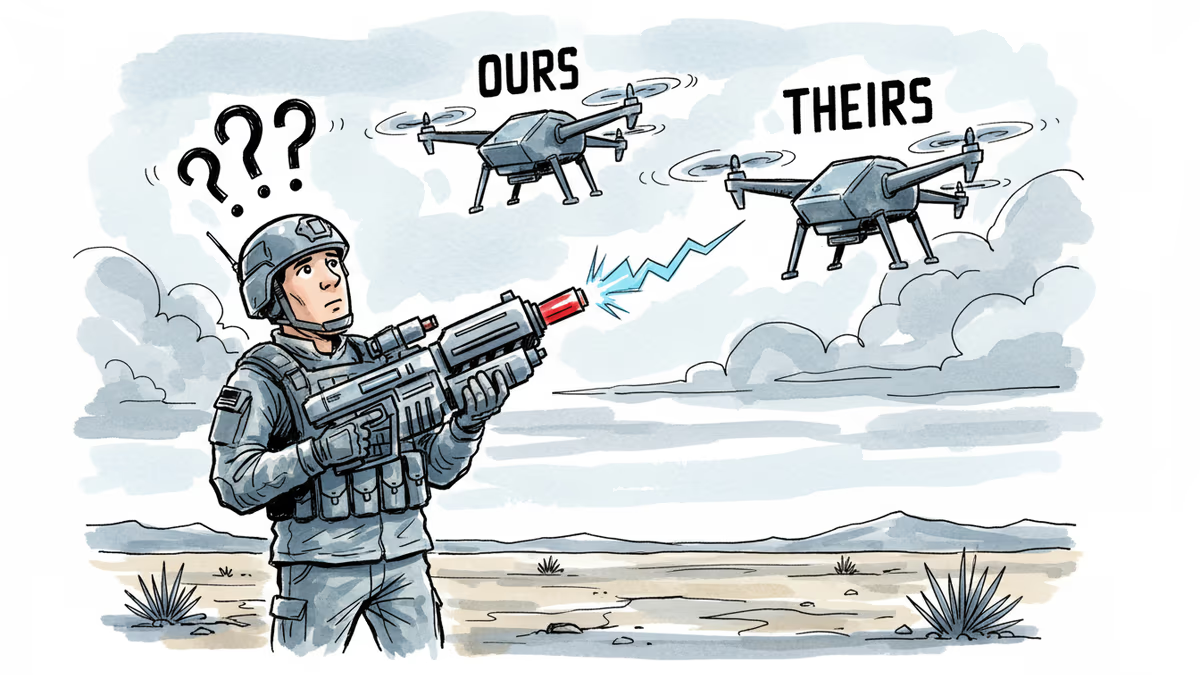
A US military laser system mistakenly destroyed a Border Patrol drone near Mexico, revealing the complex reality of modern border security technology
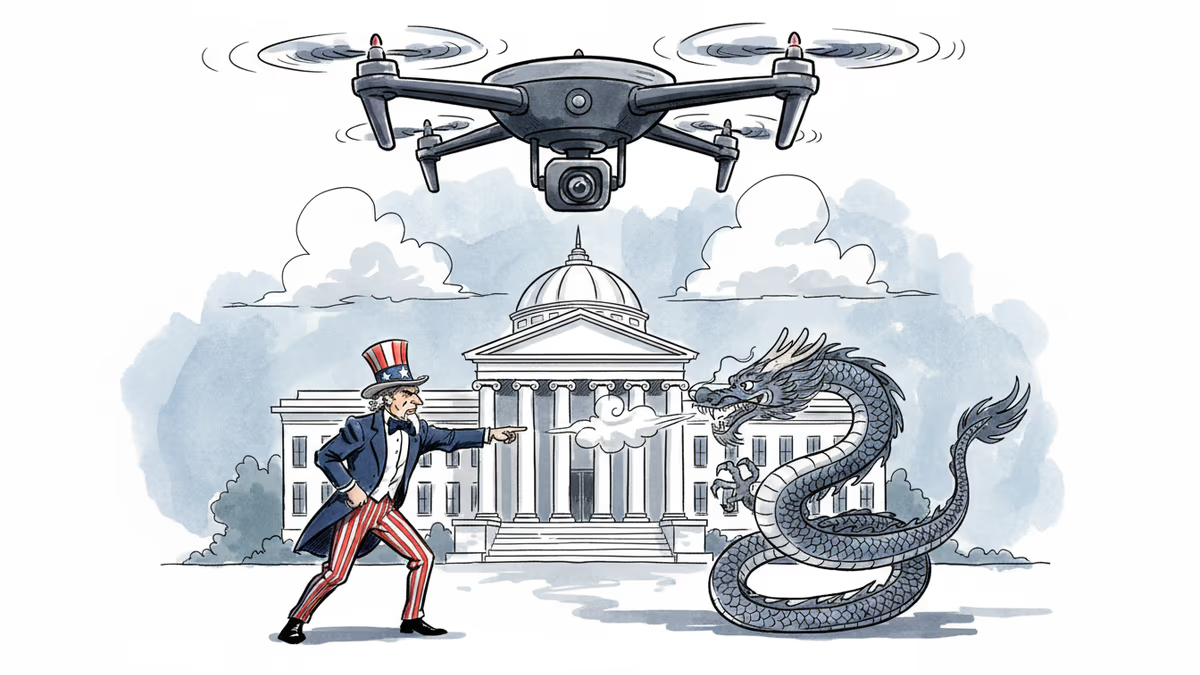
Chinese drone giant DJI challenges FCC's import ban in federal court, escalating US-China tech tensions into uncharted legal territory.

Chinese manufacturers are marketing military drone jammers on TikTok like lifestyle products, supplying equipment to the Ukraine war. A surreal blend of e-commerce and battlefield combat.
Middle East conflict reveals AI weapons reality. Claude AI selects targets, drones attack autonomously. 90% accuracy, zero regulation. The gap between deployment and governance widens.
A US military laser system mistakenly destroyed a Border Patrol drone near Mexico, revealing the complex reality of modern border security technology
Chinese drone giant DJI challenges FCC's import ban in federal court, escalating US-China tech tensions into uncharted legal territory.
Chinese manufacturers are marketing military drone jammers on TikTok like lifestyle products, supplying equipment to the Ukraine war. A surreal blend of e-commerce and battlefield combat.
Thoughts
Share your thoughts on this article
Sign in to join the conversation