
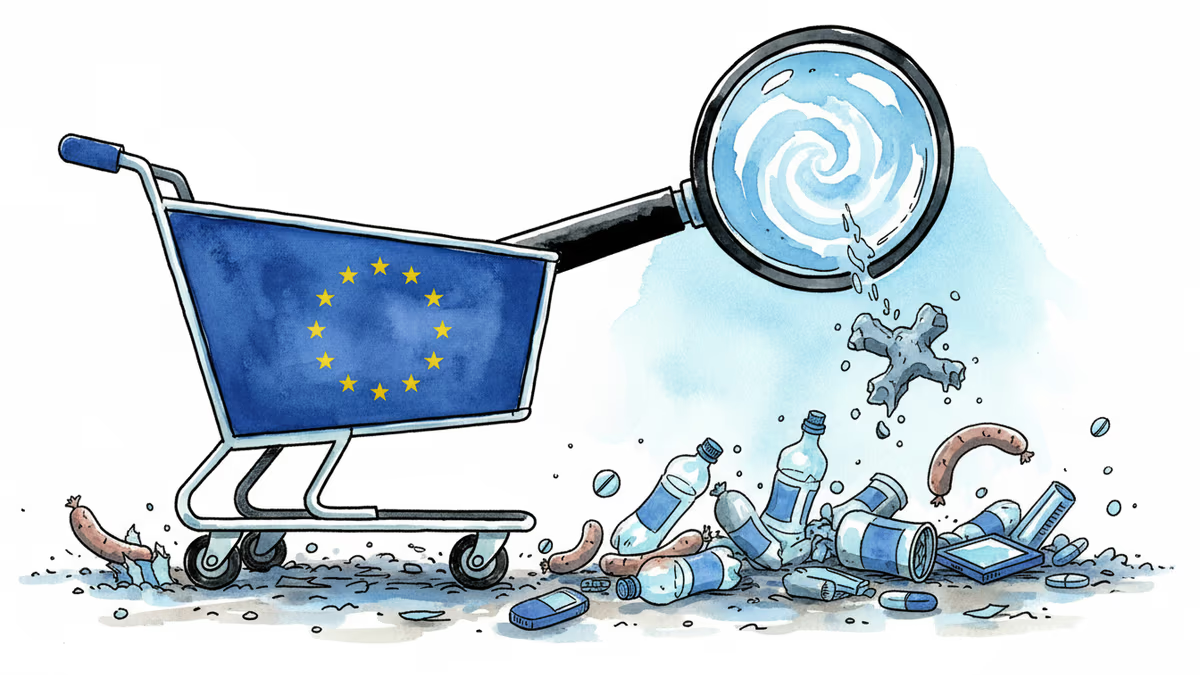
EU Opens Formal Investigation Into Shein Over Illegal Products
European Commission launches DSA compliance probe into Shein following French regulators' discovery of child-like sex dolls on platform. Addictive design features also under scrutiny
95% of products tested by French regulators failed EU safety standards. Now the entire European Union is taking action against Shein, the fast-fashion giant that's captured global attention—and regulatory scrutiny.
The European Commission has launched a formal investigation into whether Shein's systems for preventing illegal product sales comply with the EU's Digital Services Act (DSA). The probe was triggered after French authorities discovered listings for "child-like sex dolls" on the platform last year, raising concerns about content that could constitute child sexual abuse material.
Beyond Product Policing
This isn't just about removing inappropriate items from virtual shelves. The investigation extends to Shein's "addictive design" features—the gamified shopping experience that rewards users with points, discounts, and other incentives for frequent engagement.
Margrethe Vestager, the EU's competition chief, framed the investigation as essential for "protecting consumers, especially minors." The commission will also examine the transparency of Shein's content recommendation systems, questioning how the algorithm decides what products to show which users.
The Stakes Are Enormous
For Shein, the financial implications are staggering. DSA violations can result in fines up to 6% of global annual revenue. With Shein's 2023 revenue hitting $23 billion, we're talking about potential penalties exceeding $1 billion.

But the broader implications stretch far beyond one company's balance sheet. This investigation could set precedent for how the EU regulates recommendation algorithms and engagement-driving features across all major platforms.
The Innovation Paradox
Here's the tension: the very features that made Shein a $66 billion company—serving 150 million daily active users—are now under regulatory fire. The gamified shopping experience, flash sales, and personalized recommendations aren't bugs in the system; they're the core features that drive user engagement.
Retail experts argue these mechanics simply digitize traditional marketing psychology. Critics counter that digital platforms amplify these effects to unprecedented, potentially harmful levels, especially for younger consumers.
Industry Watching Closely
Other fast-fashion retailers and e-commerce platforms are monitoring this case intently. Temu, AliExpress, and even established players like Amazon use similar recommendation systems and gamification strategies.
The investigation's outcome could reshape how platforms design user experiences, potentially forcing a choice between engagement optimization and regulatory compliance.
Authors
Related Articles

European Commission warns TikTok over endless feeds under Digital Services Act, marking a pivotal test of new tech regulation targeting platform design itself.

EU targets TikTok's infinite scroll and personalized algorithms as 'addictive design' under Digital Services Act. Major fines and service overhaul possible if violations confirmed.

EU launches formal probe into Elon Musk's xAI after Grok chatbot generated sexualized images of women and children without consent. First major test of Digital Services Act on AI platforms.

TikTok is launching an AI-driven age verification system across Europe in 2026 to detect users under 13. Learn how behavioral signals are being used to enforce child safety.
European Commission warns TikTok over endless feeds under Digital Services Act, marking a pivotal test of new tech regulation targeting platform design itself.
EU targets TikTok's infinite scroll and personalized algorithms as 'addictive design' under Digital Services Act. Major fines and service overhaul possible if violations confirmed.
EU launches formal probe into Elon Musk's xAI after Grok chatbot generated sexualized images of women and children without consent. First major test of Digital Services Act on AI platforms.
TikTok is launching an AI-driven age verification system across Europe in 2026 to detect users under 13. Learn how behavioral signals are being used to enforce child safety.
Thoughts
Share your thoughts on this article
Sign in to join the conversation