

OpenAI Stargate Energy Infrastructure: Tech Giant Vows to Pay Its Own Way
OpenAI pledges to pay for energy infrastructure upgrades for its Stargate data centers, ensuring AI growth doesn't hike local electricity prices or drain water resources.
Will your electricity bill spike because of AI? OpenAI is stepping up to ensure it won't. The company announced it'll minimize water usage and fund the massive energy infrastructure upgrades required for its ambitious Stargate data centers, aiming to silence growing opposition from local communities.
OpenAI Stargate Energy Infrastructure: A Pledge to Protect Consumers
According to The Verge, OpenAI is branding itself as a "good neighbor" in the face of rising utility costs. "We commit to paying our own way on energy, so that our operations don't increase your electricity prices," the company stated. This move targets the primary concern of residents near proposed data center sites: that AI expansion would drain local resources and wallet contents.

- Direct funding for local grid upgrades to handle increased loads.
- Exploring independent energy supplies to reduce reliance on the public grid.
- Commitment to minimizing high water consumption typical of server cooling.
The Environmental Cost of the AI Race
The Stargate project, rumored to be a multi-billion dollar endeavor, represents a scale of computing never seen before. However, the environmental footprint of such facilities remains a flashpoint. By pledging transparency and financial responsibility, OpenAI is attempting to create a blueprint for socially responsible AI infrastructure development.
Authors
Related Articles

SoftBank has finalized its $41 billion investment in OpenAI, securing an 11% stake. Learn about Masayoshi Son's AGI vision and the $500 billion Stargate Project.

Samsung Electronics' union branch revealed that 84% of survey respondents oppose the government's roughly $290 billion (₩400 trillion) semiconductor megaproject in Gwangju. Government, management, the union and shareholders are all reading the same national project in sharply different ways.
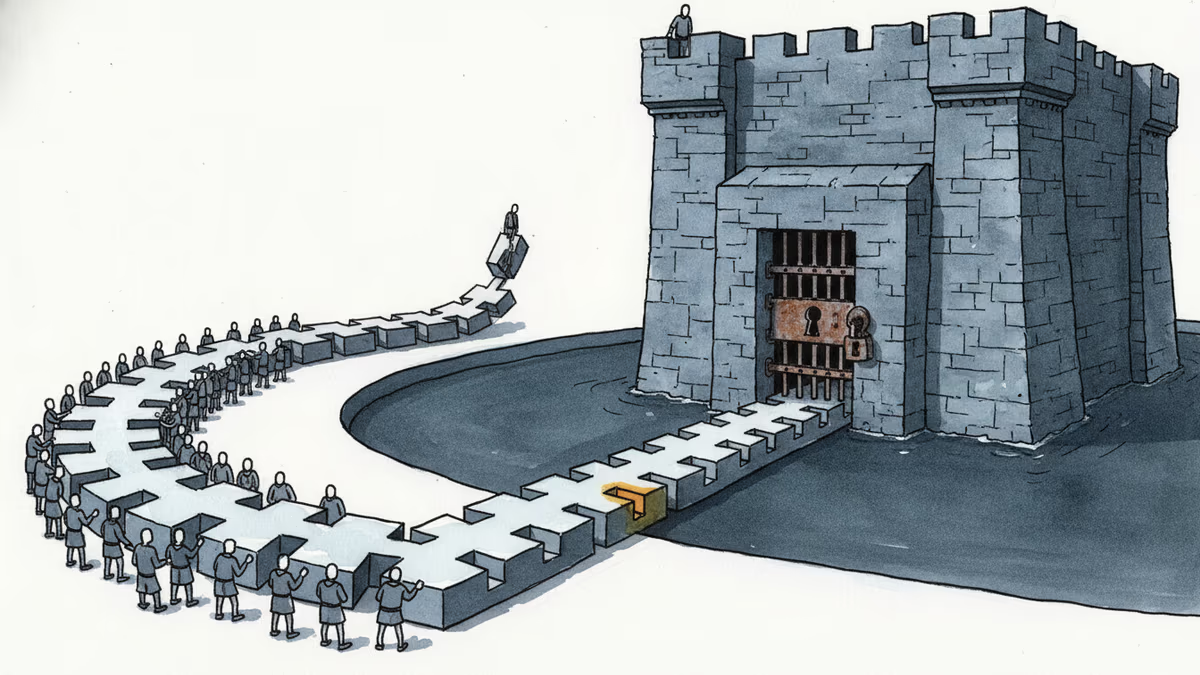
Nvidia shipped roughly a billion RISC-V cores in 2024, then announced it would run CUDA on the open standard. We break down how royalty-free instruction sets and open software stacks are trying to route around CUDA's lock-in. Part 2 of the Semiconductor Sovereignty series.
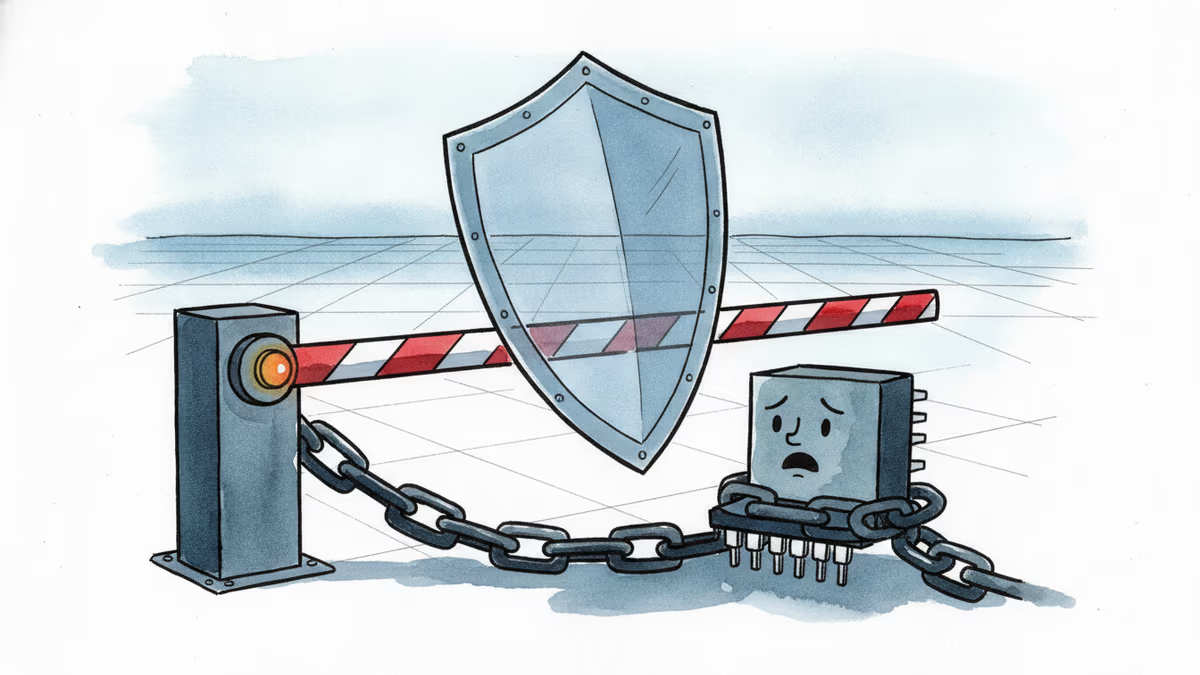
US AI-chip export controls split into three layers in the first half of 2026 — January easing, a May crackdown on circumvention, and a pending bill. Nvidia erased China from its guidance and still posted a record $81.6 billion quarter. A look at the export policy that both shields and cages it.
SoftBank has finalized its $41 billion investment in OpenAI, securing an 11% stake. Learn about Masayoshi Son's AGI vision and the $500 billion Stargate Project.
Samsung Electronics' union branch revealed that 84% of survey respondents oppose the government's roughly $290 billion (₩400 trillion) semiconductor megaproject in Gwangju. Government, management, the union and shareholders are all reading the same national project in sharply different ways.
Nvidia shipped roughly a billion RISC-V cores in 2024, then announced it would run CUDA on the open standard. We break down how royalty-free instruction sets and open software stacks are trying to route around CUDA's lock-in. Part 2 of the Semiconductor Sovereignty series.
US AI-chip export controls split into three layers in the first half of 2026 — January easing, a May crackdown on circumvention, and a pending bill. Nvidia erased China from its guidance and still posted a record $81.6 billion quarter. A look at the export policy that both shields and cages it.
Thoughts
Share your thoughts on this article
Sign in to join the conversation