
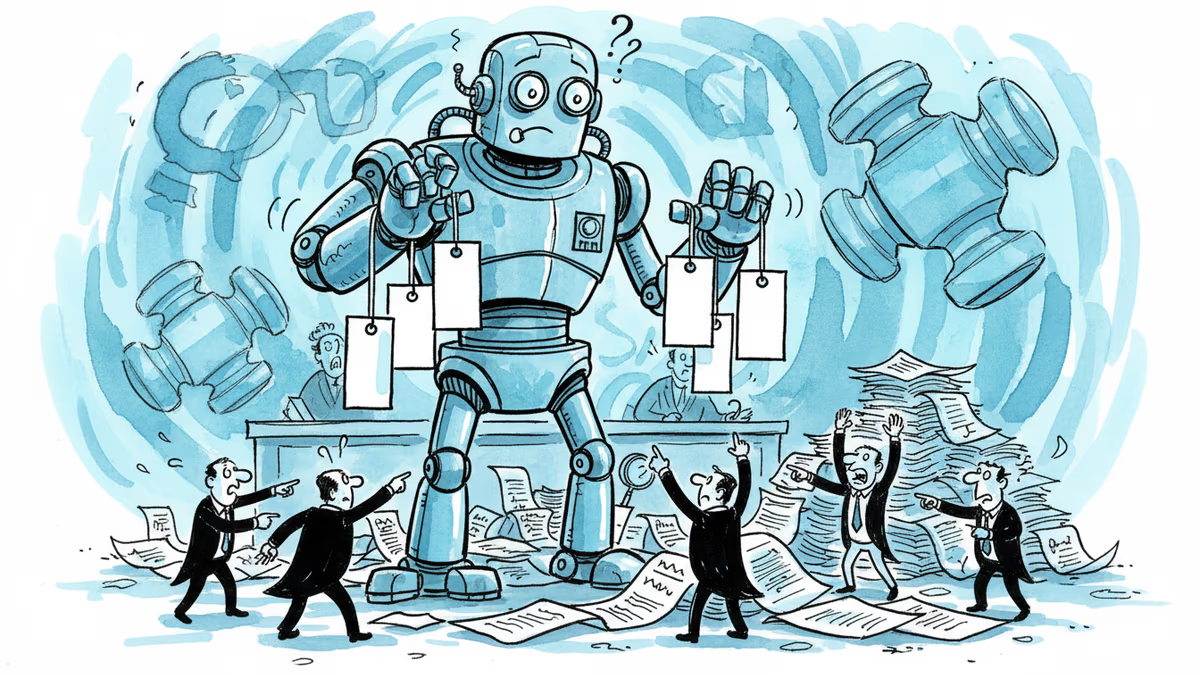
OpenAI Loses 'Cameo' Trademark Battle as AI Naming Wars Heat Up
Federal court orders OpenAI to stop using 'Cameo' for Sora 2 feature. The ruling highlights growing trademark disputes as AI companies scramble for recognizable names.
When AI Giants Meet Trademark Reality
Even OpenAI can't generate its way out of this one. A federal district court in Northern California just handed the AI powerhouse a decisive loss in its trademark dispute with Cameo, ordering the company to stop using "Cameo" for its Sora 2 video generation feature.
The ruling, filed Saturday, rejected OpenAI's argument that "Cameo" was merely descriptive. Instead, the court found that the name "suggests rather than describes the feature" and was similar enough to the celebrity video platform to cause user confusion.
OpenAI had been using "Cameo" for a feature that let users insert digital likenesses of themselves into AI-generated videos—a capability that, while technically different from Cameo's celebrity messaging service, apparently hit too close to home for comfort.
The Name Game Gets Expensive
This isn't just about one word. It's about the collision between AI innovation and intellectual property reality. Cameo CEO Steven Galanis didn't mince words: "We have spent nearly a decade building a brand that stands for talent-friendly interactions and genuine connection." The victory, he said, protects not just the company but "the thousands of creators who trust the Cameo name."
OpenAI already renamed the feature to "Characters" after a temporary restraining order in November, but the damage extends beyond this single case. The company is juggling multiple naming disputes simultaneously—it recently dropped "IO" branding for upcoming hardware products and faces a lawsuit from digital library app OverDrive over the "Sora" name itself.

The Broader IP Minefield
For AI companies racing to launch features, the trademark landscape has become treacherous terrain. The most intuitive names—the ones users can actually remember and understand—are often already taken. This forces companies into an uncomfortable choice: risk legal battles or settle for clunky, less memorable alternatives.
The irony runs deeper when you consider OpenAI's other legal challenges. While fighting for the right to use simple English words like "Cameo," the company faces multiple copyright lawsuits from artists, writers, and media organizations who claim their work was used without permission to train AI models.
What This Means for Innovation
From a user perspective, these naming restrictions create friction. "Characters" doesn't immediately convey what the feature does the way "Cameo" might. As AI capabilities become more sophisticated, explaining them with increasingly generic terms could make the technology less accessible to everyday users.
For investors and competitors, OpenAI's string of IP disputes signals a maturing market where legal strategy matters as much as technical innovation. Companies that invested early in trademark portfolios may find themselves with unexpected leverage.
OpenAI spokesperson's response—"We disagree with the complaint's assertion that anyone can claim exclusive ownership over the word 'cameo'"—suggests this fight isn't over. But in an industry where first-mover advantage often determines market leadership, even temporary naming setbacks can have lasting consequences.
Authors
Related Articles

OpenAI has reorganized for the second time in a month, merging ChatGPT and Codex into a single agentic platform under president Greg Brockman's unified product leadership.
After two weeks of witnesses calling him a liar, OpenAI CEO Sam Altman testified in his own defense, claiming Elon Musk tried to kill the company twice.
Sam Nelson, 19, died after following ChatGPT's advice to mix Kratom and Xanax. His parents are suing OpenAI for wrongful death, raising urgent questions about AI trust, liability, and design.
OpenAI's new Daybreak initiative uses the Codex AI agent to find and patch security vulnerabilities before attackers do—putting it in direct competition with Anthropic's secretive Claude Mythos.
OpenAI has reorganized for the second time in a month, merging ChatGPT and Codex into a single agentic platform under president Greg Brockman's unified product leadership.
After two weeks of witnesses calling him a liar, OpenAI CEO Sam Altman testified in his own defense, claiming Elon Musk tried to kill the company twice.
Sam Nelson, 19, died after following ChatGPT's advice to mix Kratom and Xanax. His parents are suing OpenAI for wrongful death, raising urgent questions about AI trust, liability, and design.
OpenAI's new Daybreak initiative uses the Codex AI agent to find and patch security vulnerabilities before attackers do—putting it in direct competition with Anthropic's secretive Claude Mythos.
Thoughts
Share your thoughts on this article
Sign in to join the conversation