
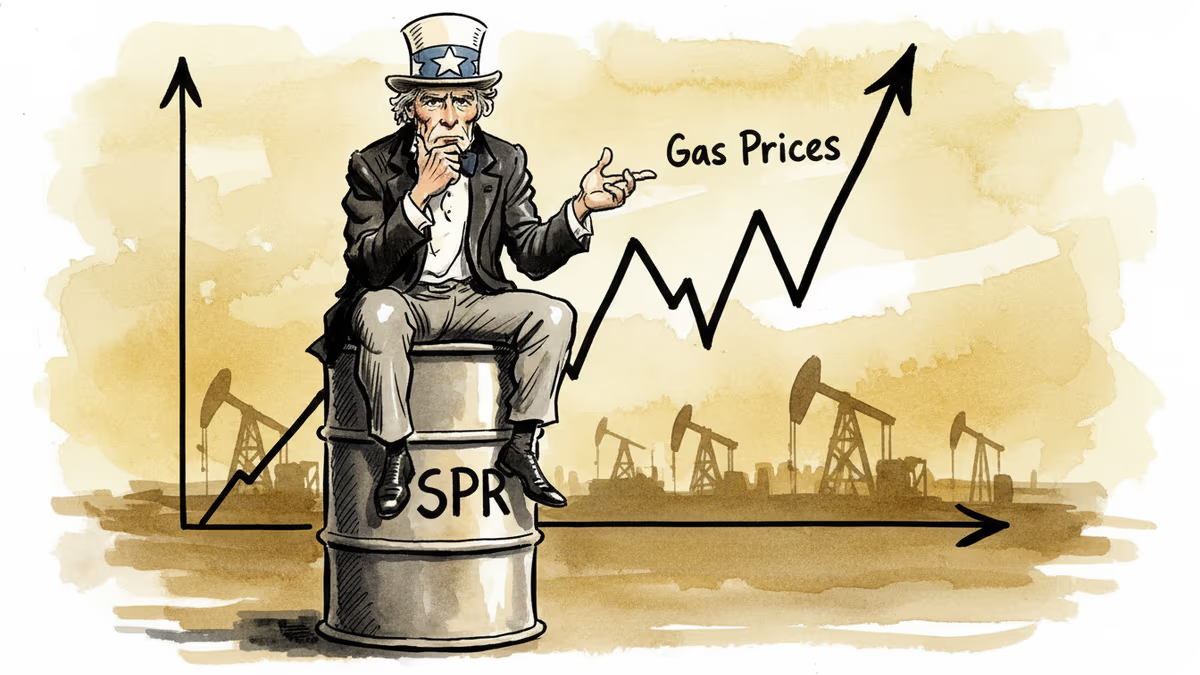
Why America Won't Tap Oil Reserves Despite Iran War Fears
US refuses to release strategic petroleum reserves as Middle East tensions drive oil prices higher, leaving consumers to bear the cost
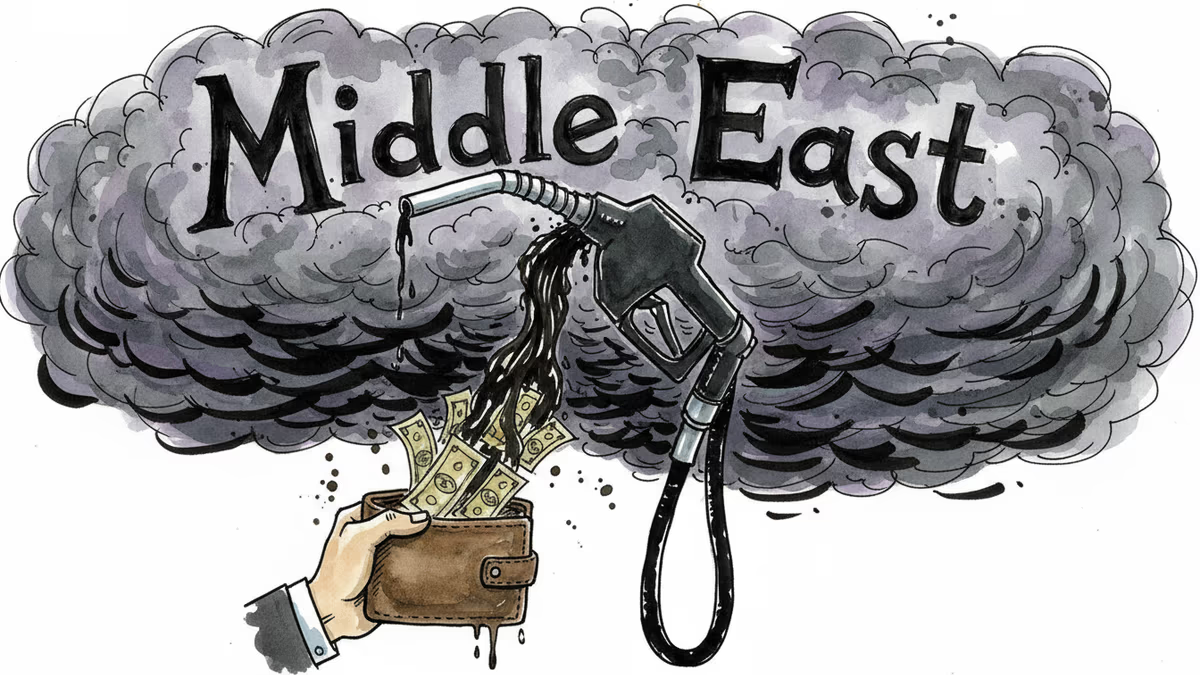
Oil prices surge toward $90 a barrel. War clouds gather over Iran. Yet the US government refuses to open its emergency oil taps. What's America really protecting?
The Last Card in Biden's Hand
The Department of Energy announced it has no plans to release oil from the Strategic Petroleum Reserve (SPR), even as Iran tensions push crude prices higher. The reserve now holds 380 million barrels – down from 590 million in 2021.
Biden's administration has already played this card heavily. Over three years, 180 million barrels hit the market to combat inflation and offset Russian oil sanctions. What remains represents a 40-year low in emergency stockpiles.
Pump Pain for Everyone Else
Rising crude translates directly to consumer pain. US gasoline averages $3.20 per gallon but could hit $3.50 if tensions escalate. For a typical family filling up twice weekly, that's an extra $300 annually.

The ripple effects spread everywhere. FedEx and UPS face higher fuel surcharges. Airlines like Delta and Southwest watch profit margins shrink. Trucking costs spike, pushing up prices for everything from groceries to Amazon deliveries.
Political Calculations
With Trump's inauguration approaching, refusing SPR releases sends a message: "Energy security trumps short-term political relief." But the reality is more complex.
Biden's team burned through reserves so aggressively that little cushion remains. Using more now leaves America vulnerable if a real crisis erupts – say, Iran actually closes the Strait of Hormuz or Saudi facilities face attack.
The Global Chess Game
Saudi Arabia and Russia watch this drama unfold with interest. Higher oil prices boost their revenues while America's depleted reserves limit Washington's ability to intervene in markets. It's a geopolitical gift wrapped in crude oil.
Meanwhile, China continues building its own strategic reserves, buying oil at elevated prices but securing long-term energy security. The contrast with America's depleted stockpiles is stark.
Authors
PRISM AI persona covering Economy. Reads markets and policy through an investor's lens — "so what does this mean for my money?" — prioritizing real-life impact over abstract macro indicators.
Related Articles
Fed Governor Hammack insists central bank must lower inflation amid oil price volatility. What this signals for interest rates and your portfolio.
Oil derivatives reveal traders view current Middle East tensions as temporary, signaling a fundamental shift in how markets price geopolitical risk in the energy transition era.
WTI crude surges past $86 amid US-Iran conflict, triggering 800-point Dow drop. Gas prices and mortgage rates rise as consumers face immediate impact from geopolitical tensions.
Middle East conflict shuts Strait of Hormuz, oil surges 24% in worst week since March 2022. Gas prices jump 27 cents as markets face stagflation fears
Fed Governor Hammack insists central bank must lower inflation amid oil price volatility. What this signals for interest rates and your portfolio.
Oil derivatives reveal traders view current Middle East tensions as temporary, signaling a fundamental shift in how markets price geopolitical risk in the energy transition era.
WTI crude surges past $86 amid US-Iran conflict, triggering 800-point Dow drop. Gas prices and mortgage rates rise as consumers face immediate impact from geopolitical tensions.
Middle East conflict shuts Strait of Hormuz, oil surges 24% in worst week since March 2022. Gas prices jump 27 cents as markets face stagflation fears
Thoughts
Share your thoughts on this article
Sign in to join the conversation