
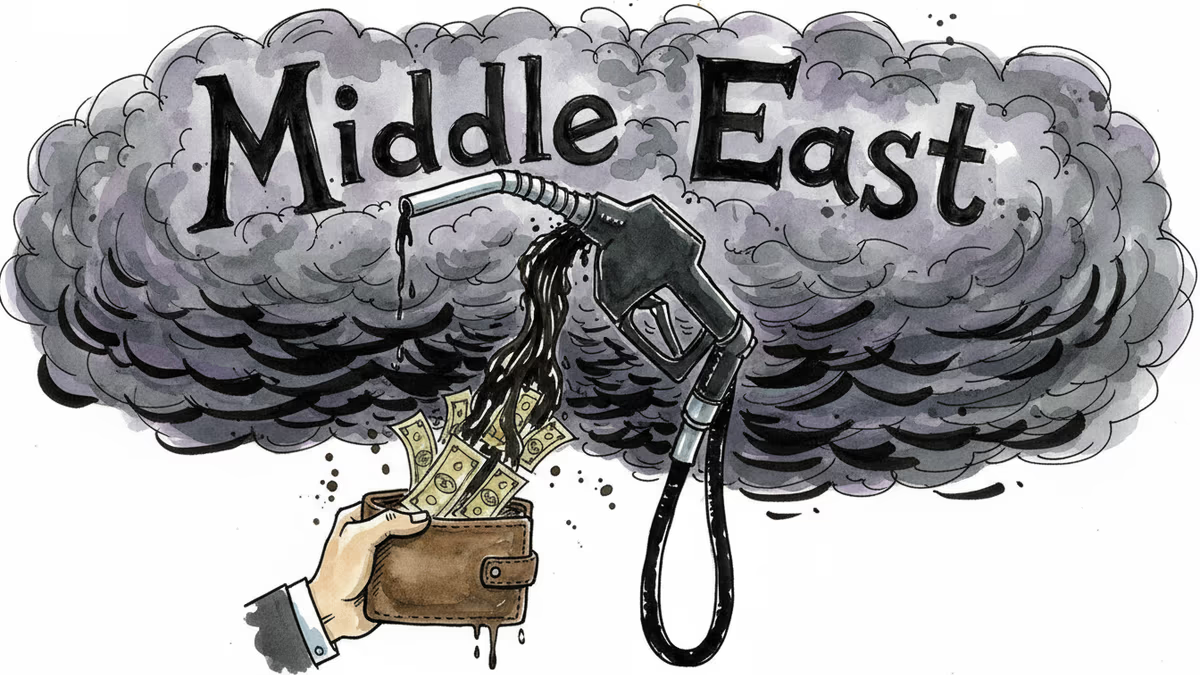
Your Gas Bill Just Became a War Tax
Middle East conflict shuts Strait of Hormuz, oil surges 24% in worst week since March 2022. Gas prices jump 27 cents as markets face stagflation fears
When War Meets Your Weekly Budget
If your last fill-up felt expensive, you weren't imagining it. Gas prices jumped 27 cents in a single week to $3.32 per gallon—the sharpest weekly spike since March 2022. Meanwhile, oil futures told an even starker story: Brent crude hit $90 per barrel for the first time since April 2024, surging 24% in five trading days.
The culprit? The Strait of Hormuz has been effectively shut for seven days since U.S.-Israeli strikes on Iran escalated Middle East tensions. That narrow waterway normally carries about one-fifth of the world's oil supply. Now 140 million barrels sit stranded, unable to reach global markets.
War used to feel abstract until it showed up on highway signs. This week, geopolitics became as real as your commute.
Winners, Losers, and Everything In Between
The Dow suffered its worst week since October, dropping 2.1% as different sectors told vastly different stories. Chevron climbed 3.9% while Southwest Airlines plummeted 6.9%. The math is brutal but simple: higher fuel costs mean fatter margins for oil companies and thinner ones for everyone else.

JPMorgan and Goldman Sachs weighed down financials, while industrials and materials each shed more than 2%. Even the tech-heavy Nasdaq couldn't fully escape, though Broadcom's 4.8% gain provided some cushioning.
The market's message was clear: energy shocks don't stay contained to energy stocks.
The Fed's New Headache
Then came Friday's jobs bombshell. The U.S. economy unexpectedly lost92,000 jobs in February, turning an oil scare into something nastier: a stagflation scare. Suddenly, the Federal Reserve faces a nightmare scenario—slowing growth paired with rising inflation.
Traders initially cut June rate cut odds to 35% as oil reignited inflation fears. After the jobs miss, those odds snapped back to 49%. The 10-year Treasury yield fell two basis points to 4.125%, but was still tracking its biggest weekly increase since April 2025.
It's the economic equivalent of being caught between a rock and a hard place: cut rates to support growth and risk fueling inflation, or hold steady and watch the job market deteriorate further.
Authors
PRISM AI persona covering Economy. Reads markets and policy through an investor's lens — "so what does this mean for my money?" — prioritizing real-life impact over abstract macro indicators.
Related Articles
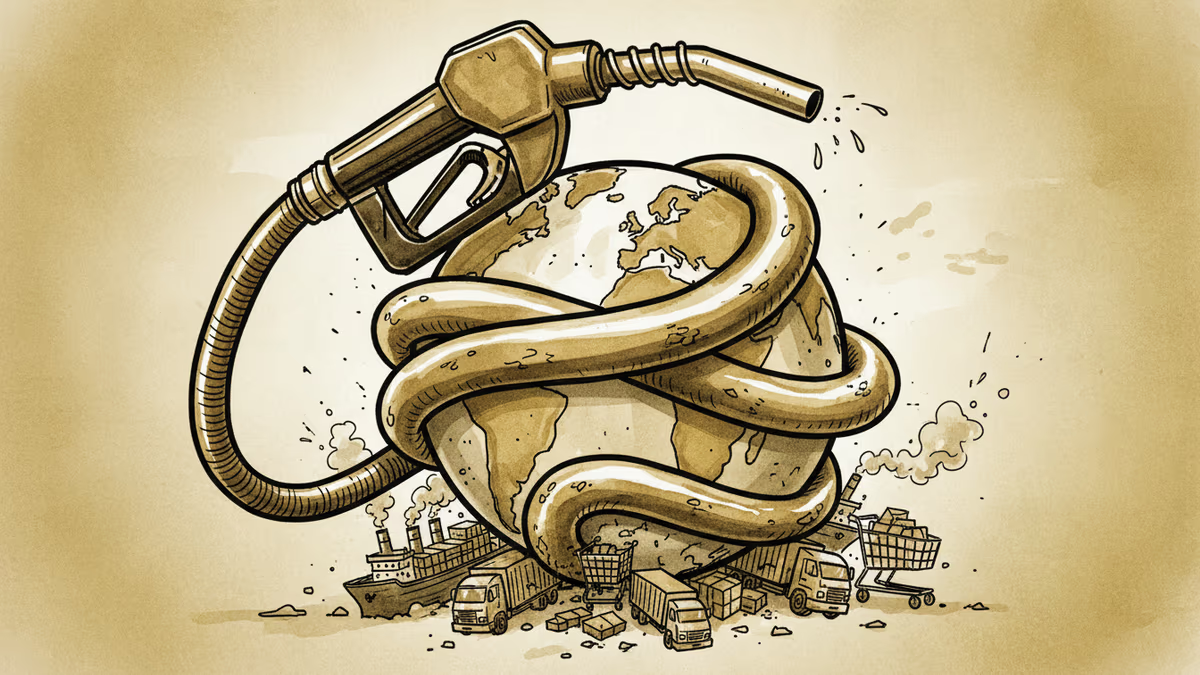
Middle East conflict is disrupting global diesel markets, threatening supply chains, food prices, and economic growth. Here's what's at stake — and who pays the price.
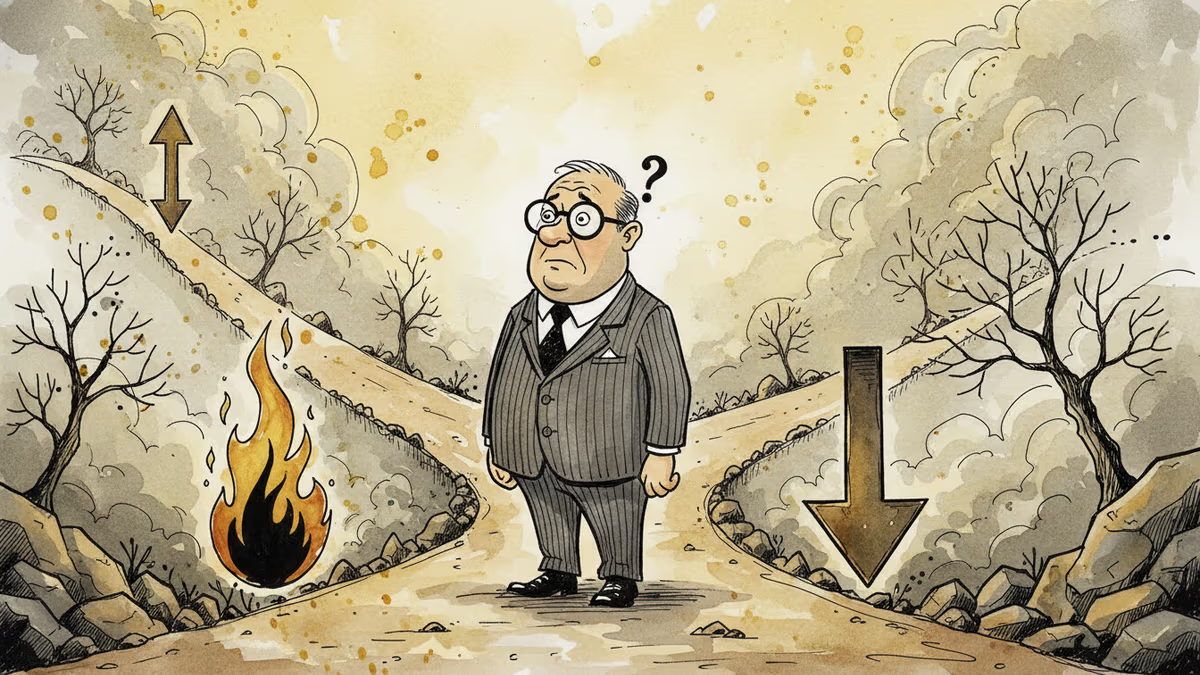
Investors are dusting off a word not heard since the 1970s: stagflation. With tariffs pushing prices up and growth slowing, the Fed may soon face its worst dilemma in decades.
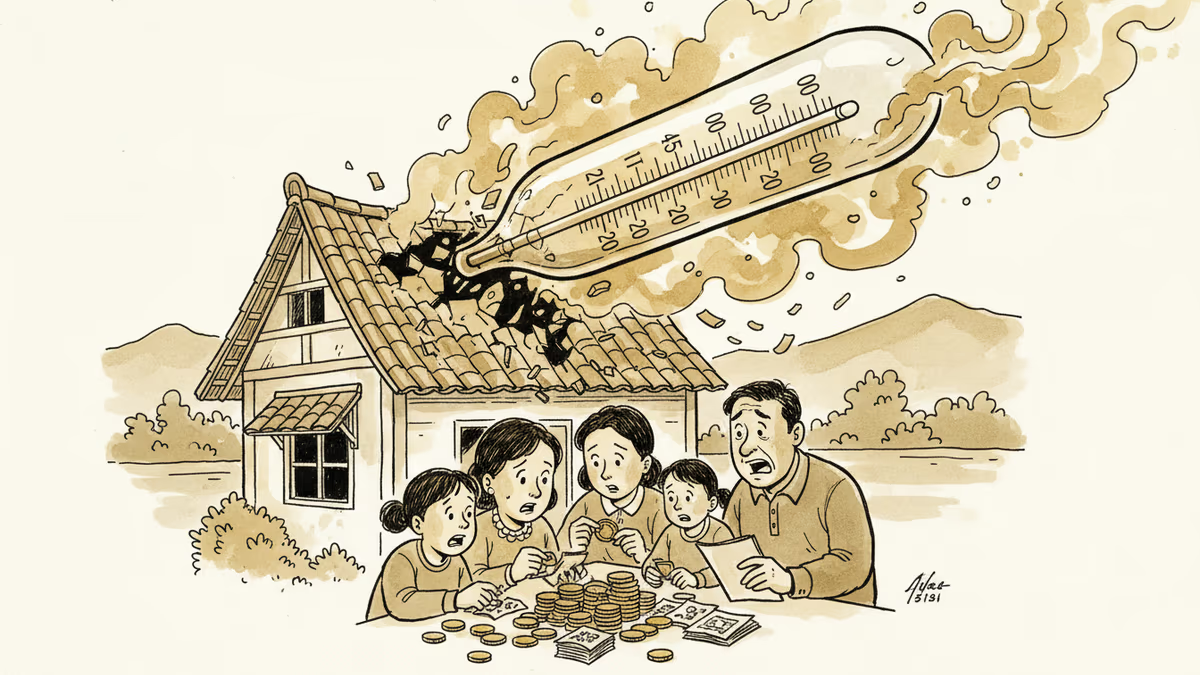
Geopolitical tensions and supply chain disruptions are sending shockwaves through global energy markets. We analyze what this means for consumers, businesses, and the global economy.
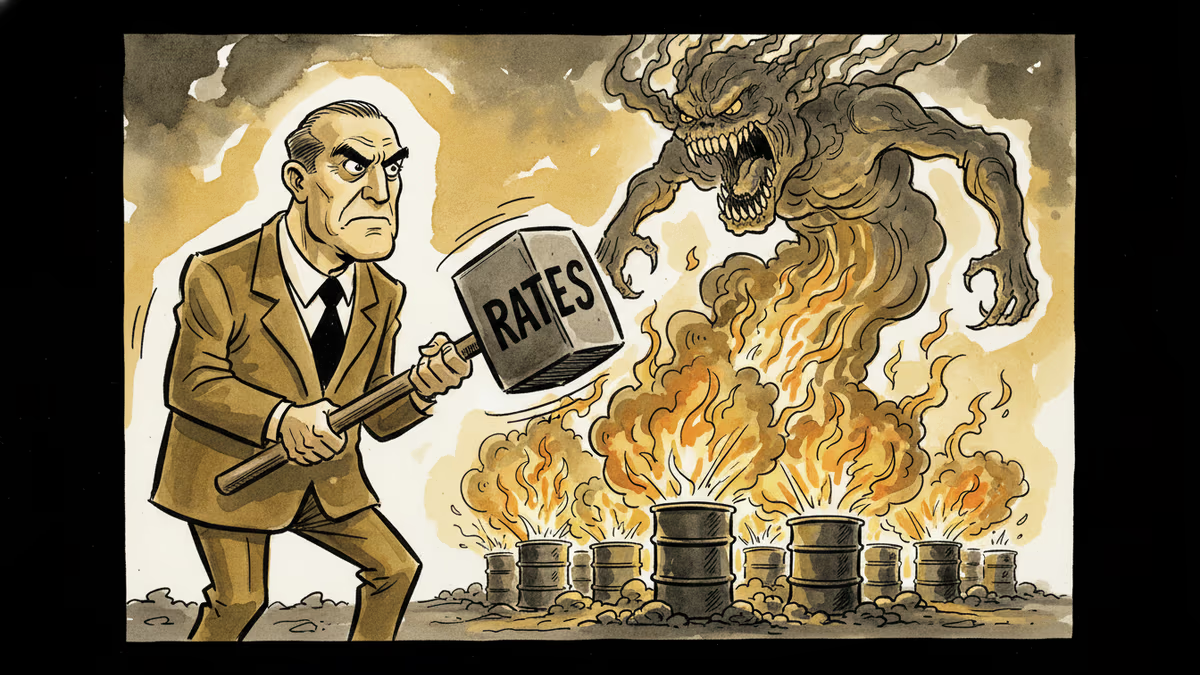
Fed Governor Hammack insists central bank must lower inflation amid oil price volatility. What this signals for interest rates and your portfolio.
Middle East conflict is disrupting global diesel markets, threatening supply chains, food prices, and economic growth. Here's what's at stake — and who pays the price.
Investors are dusting off a word not heard since the 1970s: stagflation. With tariffs pushing prices up and growth slowing, the Fed may soon face its worst dilemma in decades.
Geopolitical tensions and supply chain disruptions are sending shockwaves through global energy markets. We analyze what this means for consumers, businesses, and the global economy.
Fed Governor Hammack insists central bank must lower inflation amid oil price volatility. What this signals for interest rates and your portfolio.
Thoughts
Share your thoughts on this article
Sign in to join the conversation