

40 Minutes to the Top: The Viral Impact of Nick Shirley’s Minnesota Daycare Fraud Video
Influencer Nick Shirley's 40-minute video alleging daycare fraud in Minnesota has reached the Vice President's attention despite limited evidence. Explore the implications of viral misinformation.
It took just 24 hours for a single YouTube video to grab the attention of the Vice President. Influencer Nick Shirley's 40-minute investigation is sparking a heated debate over the intersection of social media fame and national policy.
Unverified Claims: The Nick Shirley Minnesota Daycare Fraud Video
According to a report by The Verge, Nick Shirley published a video alleging widespread fraud at daycare centers within Minnesota's Somali community. In the footage, Shirley and an associate identified as 'David' roam through Minneapolis, demanding access to private facilities with cameras and microphones in hand. They claim these centers are part of a larger scheme to defraud federal programs—a narrative Shirley attempts to link to past fraud cases pursued by the Joe Biden administration.

Despite having scant evidence, the video's confrontational style—featuring arguments with workers and man-on-the-street interviews—has resonated with a massive audience. Reports indicate that the video quickly reached the Vice President's office, highlighting how rapidly influencer-generated content can bypass traditional intelligence channels to reach the highest levels of government.
The Crisis of Influencer Journalism
The incident raises critical questions about media ethics in an era where anyone with a smartphone can claim the mantle of an investigative journalist. Critics argue that Shirley's methods target vulnerable communities without the rigorous fact-checking required of traditional news outlets. While the video portrays refusal of entry as a sign of guilt, facility operators maintain that they are simply protecting the privacy and safety of the children in their care.
Authors
Related Articles

Ars Technica admits to publishing fabricated AI-generated quotes as real source statements. A wake-up call for journalism's AI adoption standards.
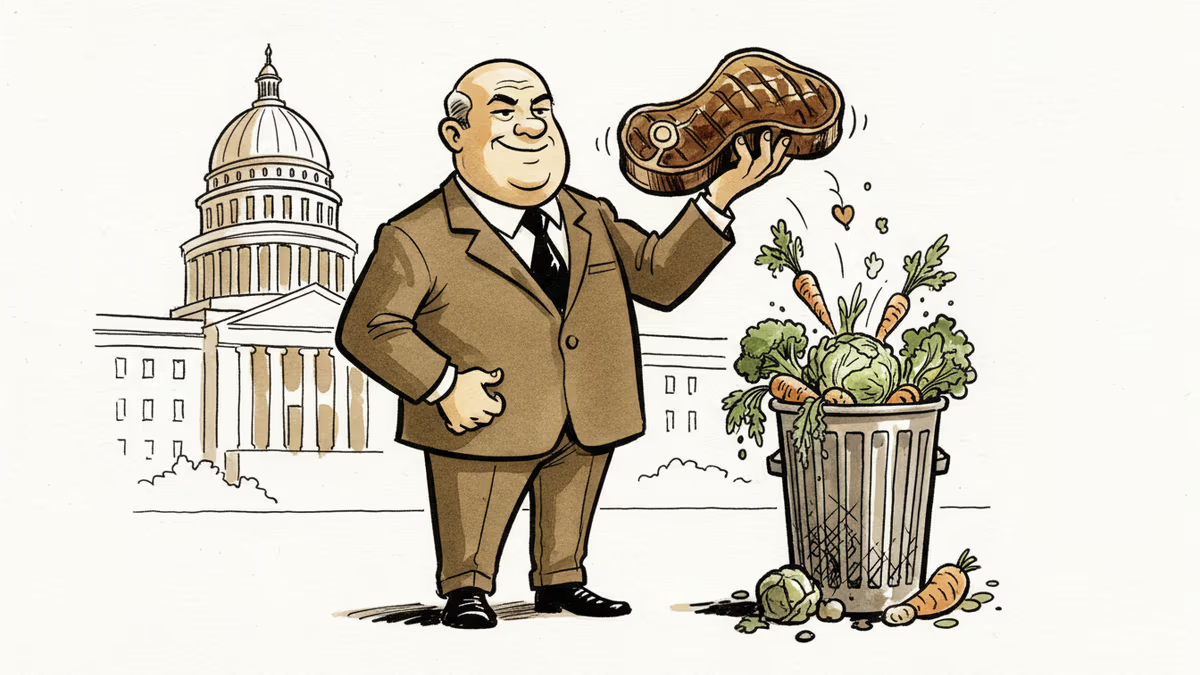
RFK Jr. and Trump's health appointees are promoting meat-only diets while dismissing vegetables. What happens when government authority contradicts scientific consensus?

A 23-year-old right-wing YouTuber's viral video led to federal immigration raids and frozen childcare funding. The case reveals social media's growing influence on government policy.

The US government now uses AI to edit public content, and new research shows people remain influenced by deepfakes even when told they're fake. As truth-verification tools fail, how do we navigate this new reality?
Ars Technica admits to publishing fabricated AI-generated quotes as real source statements. A wake-up call for journalism's AI adoption standards.
RFK Jr. and Trump's health appointees are promoting meat-only diets while dismissing vegetables. What happens when government authority contradicts scientific consensus?
A 23-year-old right-wing YouTuber's viral video led to federal immigration raids and frozen childcare funding. The case reveals social media's growing influence on government policy.
The US government now uses AI to edit public content, and new research shows people remain influenced by deepfakes even when told they're fake. As truth-verification tools fail, how do we navigate this new reality?
Thoughts
Share your thoughts on this article
Sign in to join the conversation