
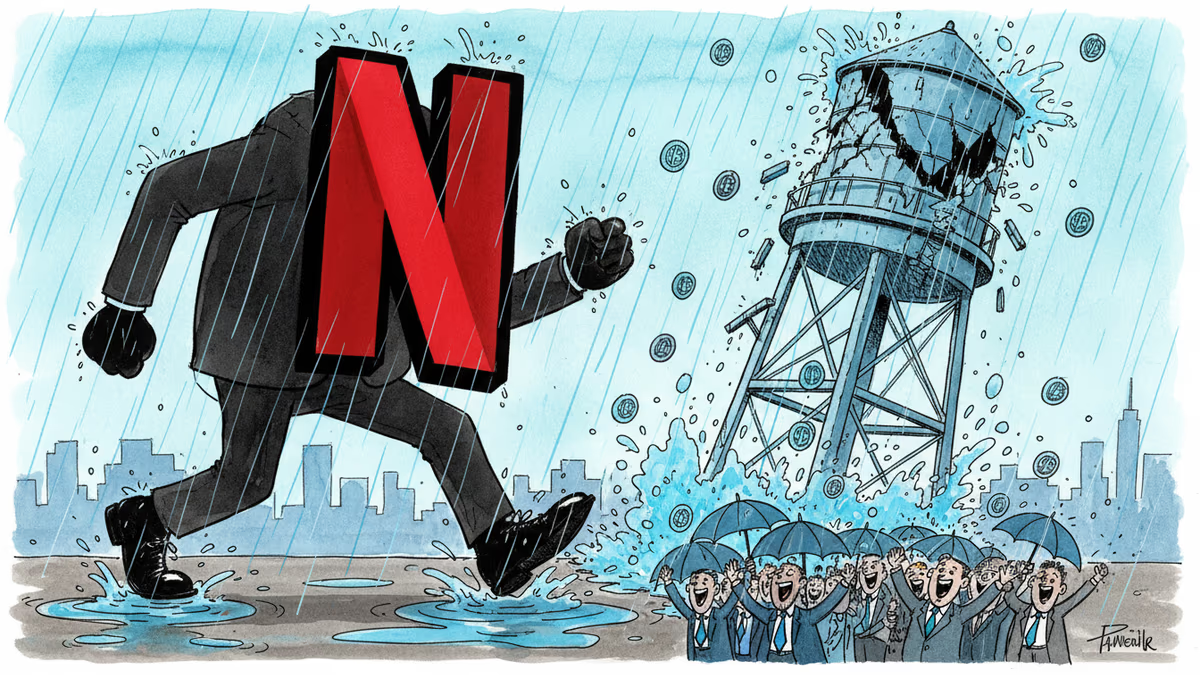
Why Netflix Really Walked Away from a $75B Deal
Netflix's shocking withdrawal from the Warner Bros. acquisition reveals deeper tensions between growth ambitions and shareholder demands in the streaming wars.
When Shareholders Revolt, Even Netflix Listens
The numbers tell a brutal story. Netflix's stock plunged 30% after announcing its Warner Bros. Discovery bid in December, then surged 14% the moment news broke that it was walking away. Rarely has Wall Street delivered such a clear verdict on a mega-deal.
Co-CEOs Ted Sarandos and Greg Peters cited "financial discipline" as their reason for backing down. But Bloomberg's reporting reveals a more complex tale of shareholder rebellion, bidding war fatigue, and perhaps a reality check for the streaming giant's acquisition ambitions.
The Investor Uprising
"Why does Netflix need to own a legacy media conglomerate?" That question echoed through earnings calls and investor meetings for months. Netflix had built its empire on algorithm-driven content creation and global streaming. Suddenly acquiring traditional broadcast networks, news operations, and film studios felt like a strategic U-turn.
The CNN factor particularly spooked investors. Why would a tech-forward streaming service want to inherit the political headaches and declining economics of cable news? The acquisition would have transformed Netflix from a pure-play streaming stock into something messier and harder to value.
Paramount's Persistence Problem

In December, Netflix appeared to have the upper hand. But when Paramount partnered with Skydance and signaled willingness to go "several more rounds" in the bidding war, Netflix executives reportedly began having second thoughts.
The psychology of auction dynamics kicked in. What started as a strategic acquisition was becoming an ego-driven spending contest. By the time Sarandos met with Trump administration officials on Thursday, the decision may have already been made. His comment to Trump—"I took your advice" about not overpaying—suggests the writing was on the wall.
The Warner Bros. Workforce Waits
Meanwhile, uncertainty grips Warner Bros. employees. With the Paramount-Skydance deal now likely to proceed, workers face the prospect of aggressive cost-cutting and potential layoffs. Netflix, despite its own recent workforce reductions, was seen as a relatively stable acquirer.
CNN staff face a double burden: potential job cuts combined with conservative political pressure on the network's editorial direction. The Trump administration's media policies could significantly impact CNN's operations under new ownership.
Streaming Wars Reshuffled
Netflix's withdrawal reshapes the entire streaming consolidation landscape. With one major player stepping back, competitors like Disney+, Amazon Prime Video, and Apple TV+ may recalibrate their own acquisition strategies.
The decision also highlights a broader shift in Big Tech thinking. The era of "buy everything" growth strategies is giving way to more selective, profitability-focused approaches. Investors increasingly question whether content libraries justify massive price tags.
Authors
Related Articles
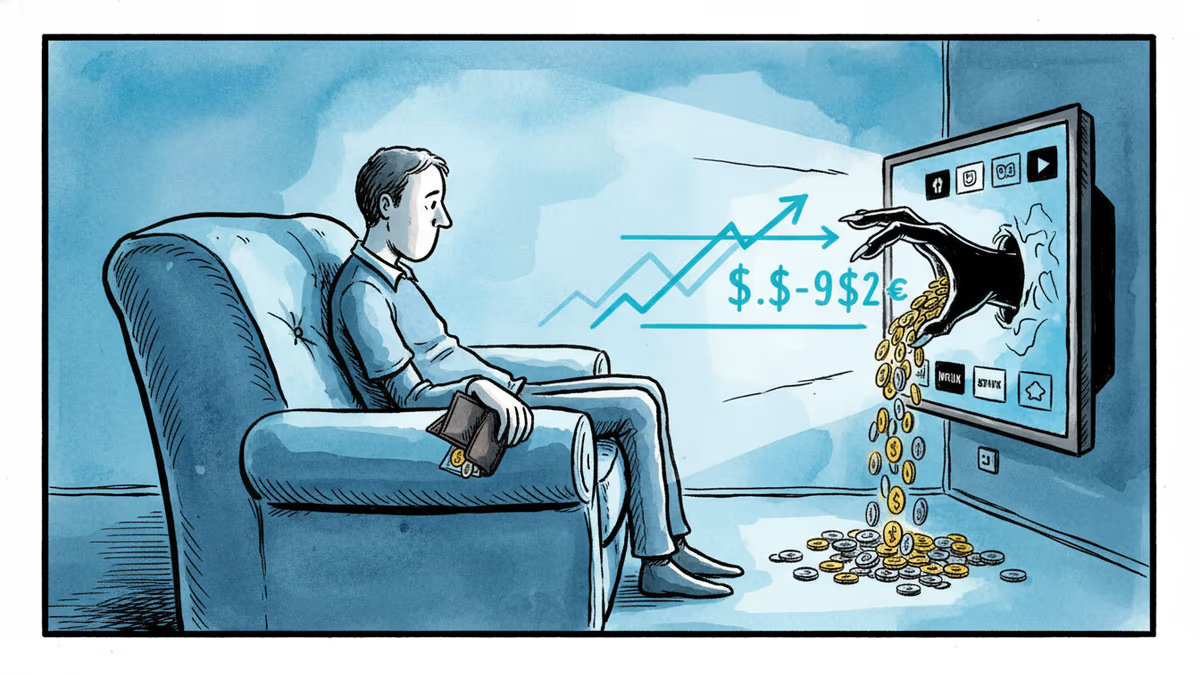
Netflix has hiked prices across all plans, including its ad-supported tier, just 14 months after its last increase. What this means for subscribers, competitors, and the future of streaming economics.
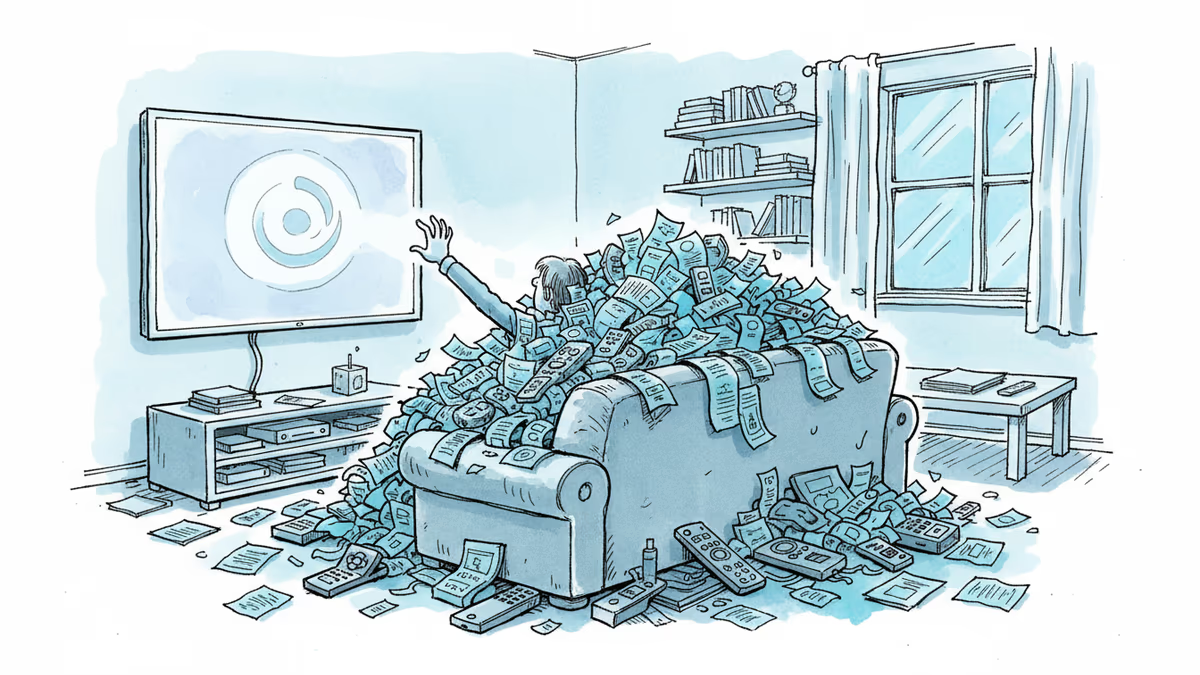
Streaming prices have doubled in a decade. Netflix, Disney, HBO Max — every platform is charging more and adding ads. Here's why, and what it means for you.
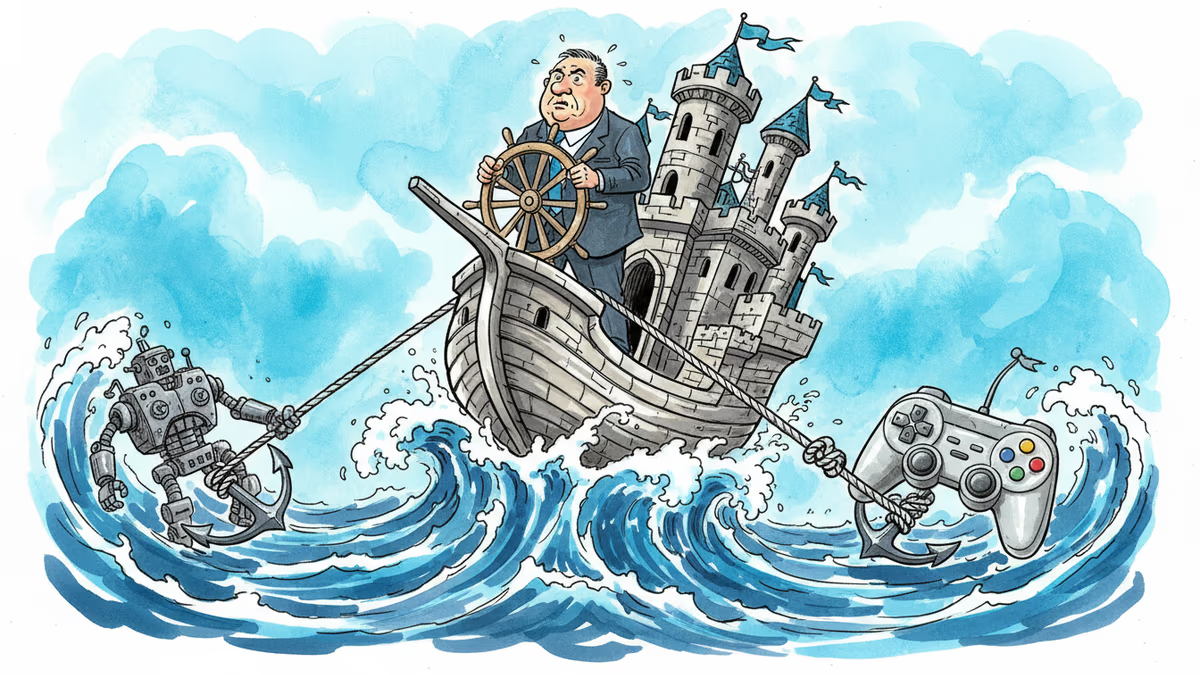
Days into his tenure, Disney CEO Josh D'Amaro faces simultaneous crises: OpenAI's Sora shutdown threatens a $1B AI deal, while Epic's layoffs cast doubt on a $1.5B metaverse plan.
A federal judge dismissed Musi's lawsuit against Apple with prejudice after the free music app was pulled from the App Store. What does it mean for developers, users, and platform power?
Netflix has hiked prices across all plans, including its ad-supported tier, just 14 months after its last increase. What this means for subscribers, competitors, and the future of streaming economics.
Streaming prices have doubled in a decade. Netflix, Disney, HBO Max — every platform is charging more and adding ads. Here's why, and what it means for you.
Days into his tenure, Disney CEO Josh D'Amaro faces simultaneous crises: OpenAI's Sora shutdown threatens a $1B AI deal, while Epic's layoffs cast doubt on a $1.5B metaverse plan.
A federal judge dismissed Musi's lawsuit against Apple with prejudice after the free music app was pulled from the App Store. What does it mean for developers, users, and platform power?
Thoughts
Share your thoughts on this article
Sign in to join the conversation