
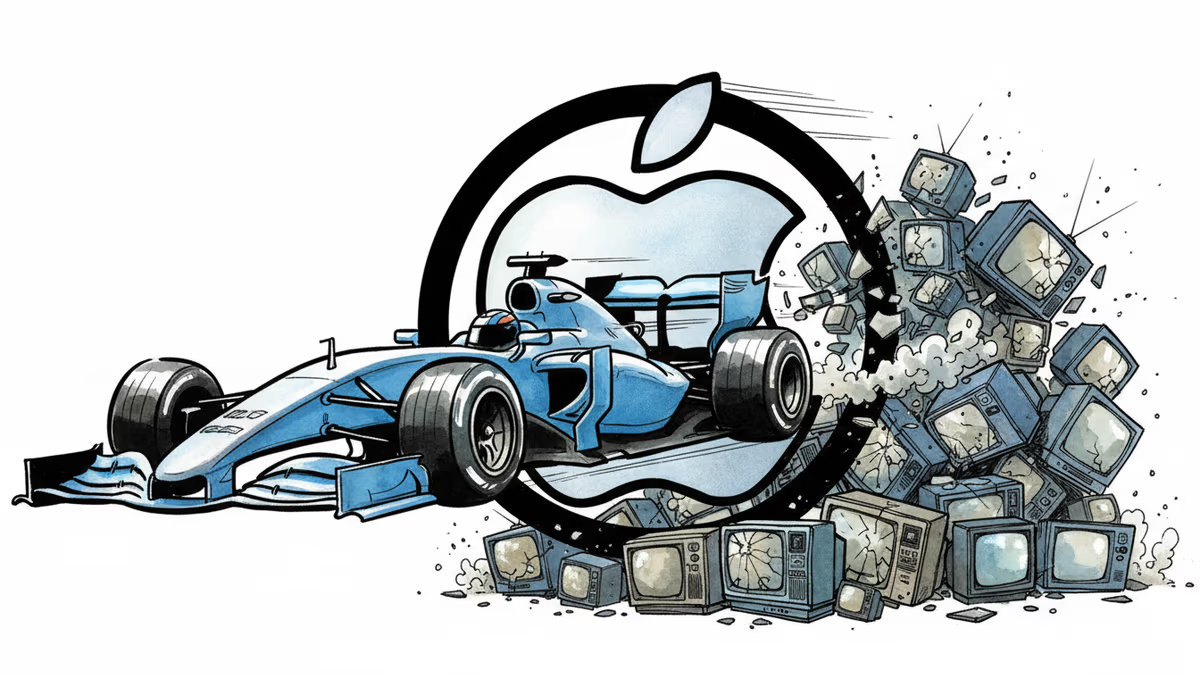
Why F1 Bet $750M on Apple's Vision
F1's massive shift from ESPN to Apple TV+ signals more than just a broadcasting change. New hybrid engines and sustainable fuels mark a complete sport reset for 2026.
The $750 Million Question
As engines fire up in Melbourne this Friday morning, Formula 1 isn't just starting another season—it's launching a completely different sport. The $750 million move from ESPN to Apple TV+ is just the most visible change in F1's biggest reset in over a decade.
Smaller, lighter cars. More powerful hybrid systems. Bespoke sustainable fuels for each team. And now, a tech giant controlling how millions watch the action unfold.
When 400kW + 350kW = Chaos
The new power units tell the real story. F1 dramatically increased electric output to attract automotive manufacturers obsessed with electrification. Road relevance matters when you're answering to shareholders who care about sustainability metrics.
But Aston Martin's struggles during Bahrain testing reveal the challenge. Lap times 15% slower than expected. Engineers scrambling to understand hybrid deployment strategies that didn't exist last year. The technical reset isn't just changing lap times—it's reshuffling the competitive order entirely.

Apple's Sports Streaming Gamble
Apple's F1 acquisition follows their successful MLS playbook, but motorsports present unique challenges. Soccer happens on weekends; F1 spans global time zones with practice, qualifying, and race sessions across three days.
Existing F1TV subscribers face uncertainty. Will Apple maintain the technical feeds and onboard cameras that hardcore fans love? Or will they prioritize mainstream appeal with simplified coverage? The $750 million investment suggests Apple sees F1 as premium content worth premium pricing.
The Sustainability Performance Paradox
Each team running different "sustainable fuels" creates fascinating dynamics. Mercedes might optimize for one fuel chemistry while Red Bull pursues another. Environmental responsibility becomes competitive advantage—or disadvantage.
This shift attracts manufacturers like Hyundai, reportedly considering F1 entry. When sustainability metrics matter as much as lap times, the barrier to entry changes. But can "green" racing maintain the visceral appeal that built F1's fanbase?
Authors
Related Articles
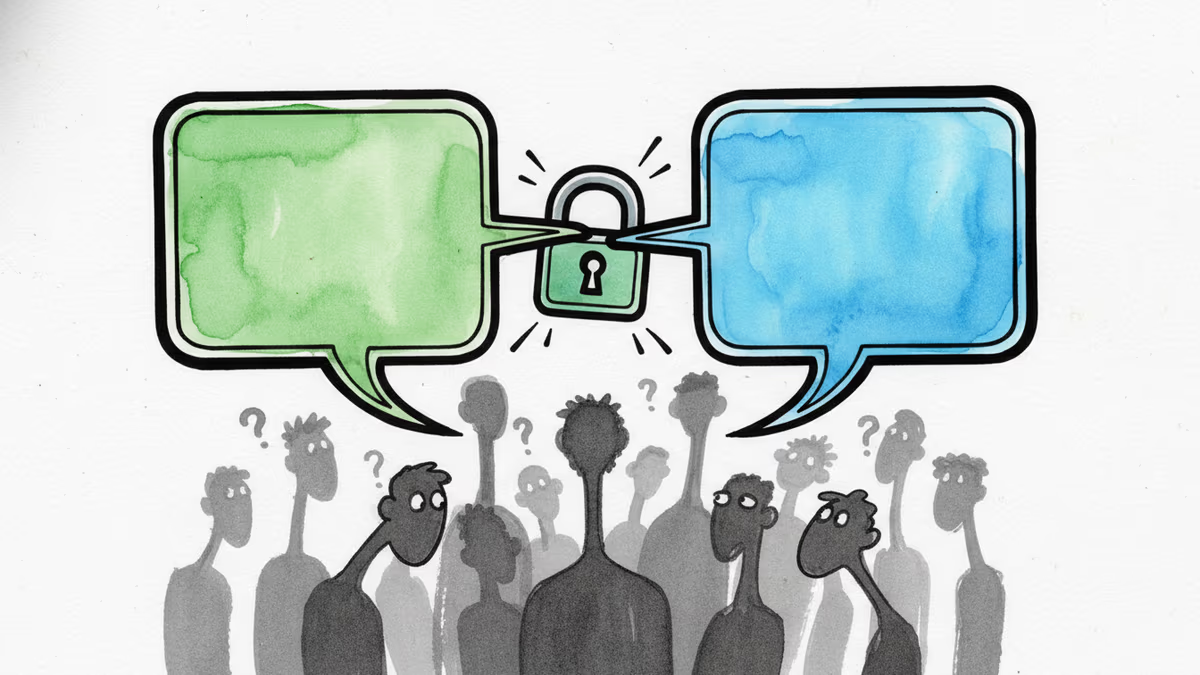
After 15 years of fragmented mobile messaging, Apple and Google are rolling out end-to-end encrypted RCS messaging between iPhones and Android devices. Here's what changed, why it took so long, and what it means for your privacy.
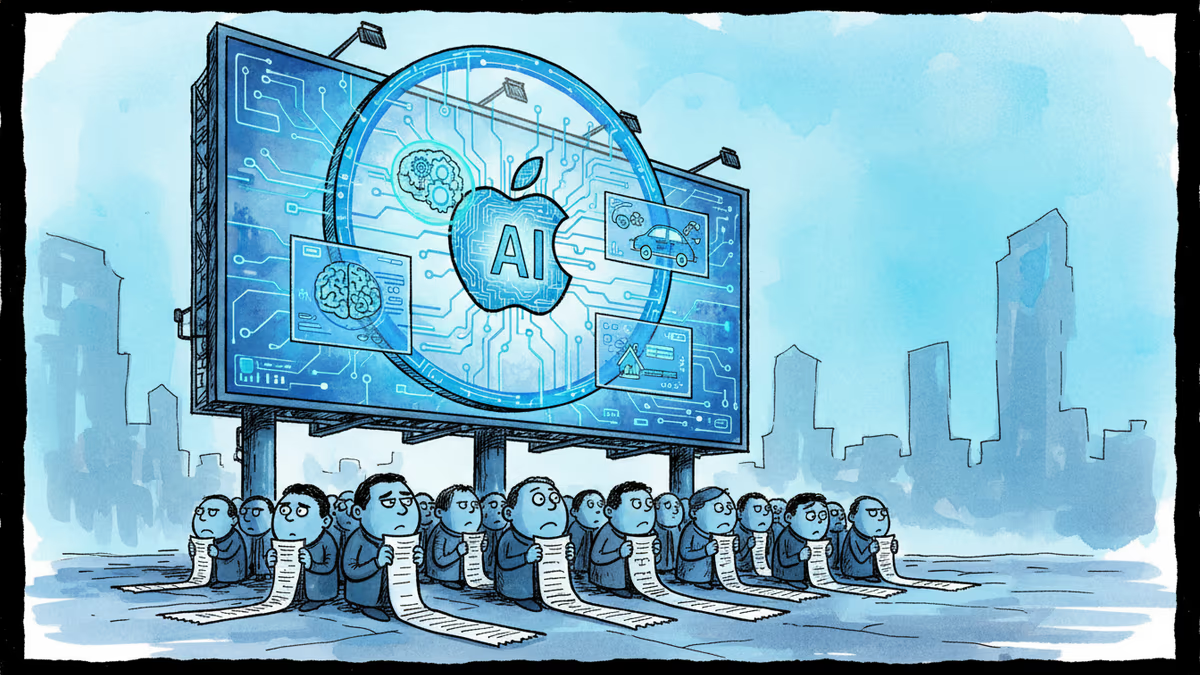
Apple agreed to pay $250 million to settle claims it misled iPhone 16 buyers about Apple Intelligence features. What this means for consumers, Big Tech marketing, and the AI industry.
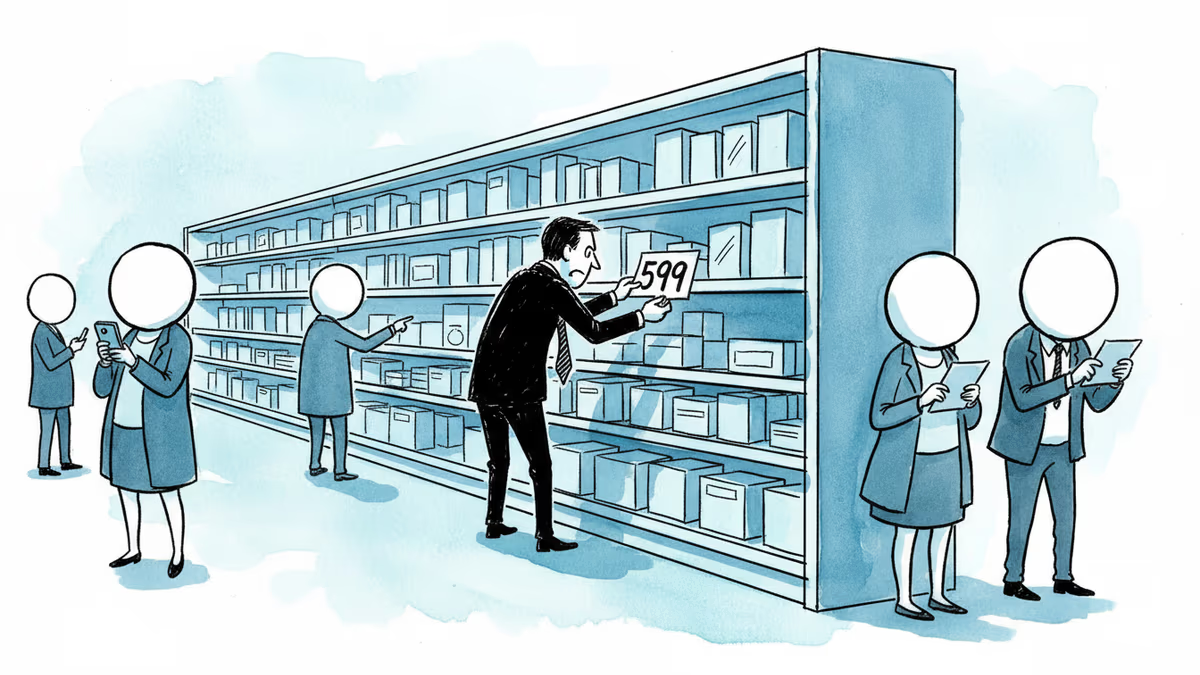
Apple quietly removed the entry-level $599 Mac Mini, raising the starting price to $799 — just one day after Tim Cook warned of chip supply constraints on the earnings call.

Apple names John Ternus, its hardware engineering chief, as the next CEO. The shift from operator to product person signals where Apple thinks its next decade of growth will come from — and raises real questions about what comes next.
After 15 years of fragmented mobile messaging, Apple and Google are rolling out end-to-end encrypted RCS messaging between iPhones and Android devices. Here's what changed, why it took so long, and what it means for your privacy.
Apple agreed to pay $250 million to settle claims it misled iPhone 16 buyers about Apple Intelligence features. What this means for consumers, Big Tech marketing, and the AI industry.
Apple quietly removed the entry-level $599 Mac Mini, raising the starting price to $799 — just one day after Tim Cook warned of chip supply constraints on the earnings call.
Apple names John Ternus, its hardware engineering chief, as the next CEO. The shift from operator to product person signals where Apple thinks its next decade of growth will come from — and raises real questions about what comes next.
Thoughts
Share your thoughts on this article
Sign in to join the conversation