
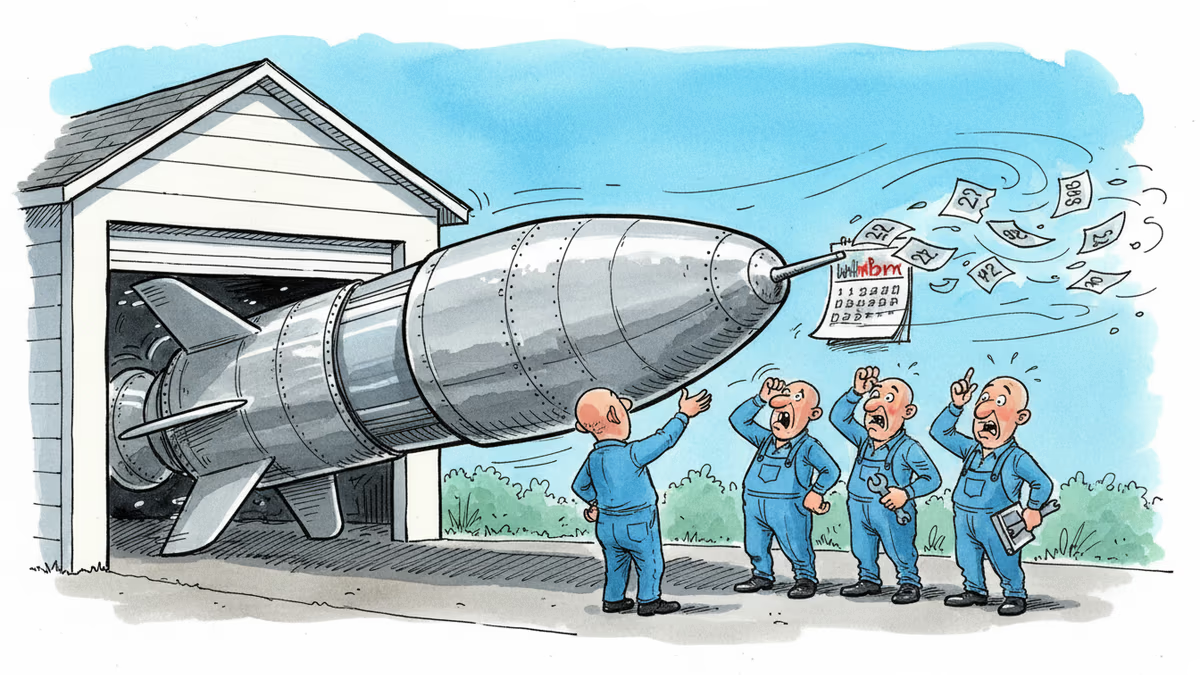
Why Going to the Moon Is Harder Than Ever
NASA's Artemis II delayed again due to helium system failure. Despite advanced technology, lunar missions face more scrutiny than Apollo era. What's changed in 60 years of space exploration?
$93 Billion Later, Still Can't Leave the Ground
NASA'sArtemis II mission hit another snag. The crewed lunar flyby, originally scheduled for February, has been pushed to April after a helium system failure during routine operations. That's the third delay since the original launch window.
The culprit? A helium flow interruption in the Space Launch System's interim cryogenic propulsion stage. This system is crucial for engine purging and fuel tank pressurization. Ironically, the same issue plagued Artemis I.
Jared Isaacman, NASA's administrator, suspects "a faulty filter, valve, or connector plate." The rocket is now heading back to the Vehicle Assembly Building for repairs—meaning no March launch either.
The Apollo Era vs. Today: What's Different?
Isaacman tried to reassure disappointed observers: "During the 1960s, when NASA achieved what most thought was impossible, there were many setbacks."
But here's the thing—the 1960s were different. The Apollo program had the Cold War as rocket fuel. Public tolerance for failure was higher when beating the Soviets was the goal. "We choose to go to the moon" wasn't just a speech; it was a national obsession.

Today's reality is harsher. Artemis has consumed $93 billion so far, and every delay triggers congressional hearings and public scrutiny. The "move fast and break things" mentality that works for tech startups doesn't fly when taxpayers are footing the bill.
The Perfection Paradox
Here's the irony: as technology advanced, space missions became more complex, not less. The 1960s approach was "launch and learn." Today's approach is "test until perfect."
SpaceX has changed the game by embracing failure as iteration. Elon Musk's rockets explode spectacularly, and he gets applauded for "rapid prototyping." But when NASA encounters a helium leak? It's "government incompetence."
The stakes feel different too. Artemis II will travel 400,171 kilometers from Earth—farther than any crewed spacecraft—during its 10-day mission. No lunar landing this time, but it's the crucial step toward establishing a permanent lunar base.
The Real Competition Isn't Technical
While NASA troubleshoots helium systems, China is quietly advancing its lunar ambitions. Their Chang'e missions have been remarkably successful, and they're targeting crewed lunar missions by 2030.
The competition isn't just about who gets there first anymore—it's about who stays. NASA promises "continuous missions to and from the lunar environment," but can they deliver with this level of risk aversion?
Authors
Related Articles
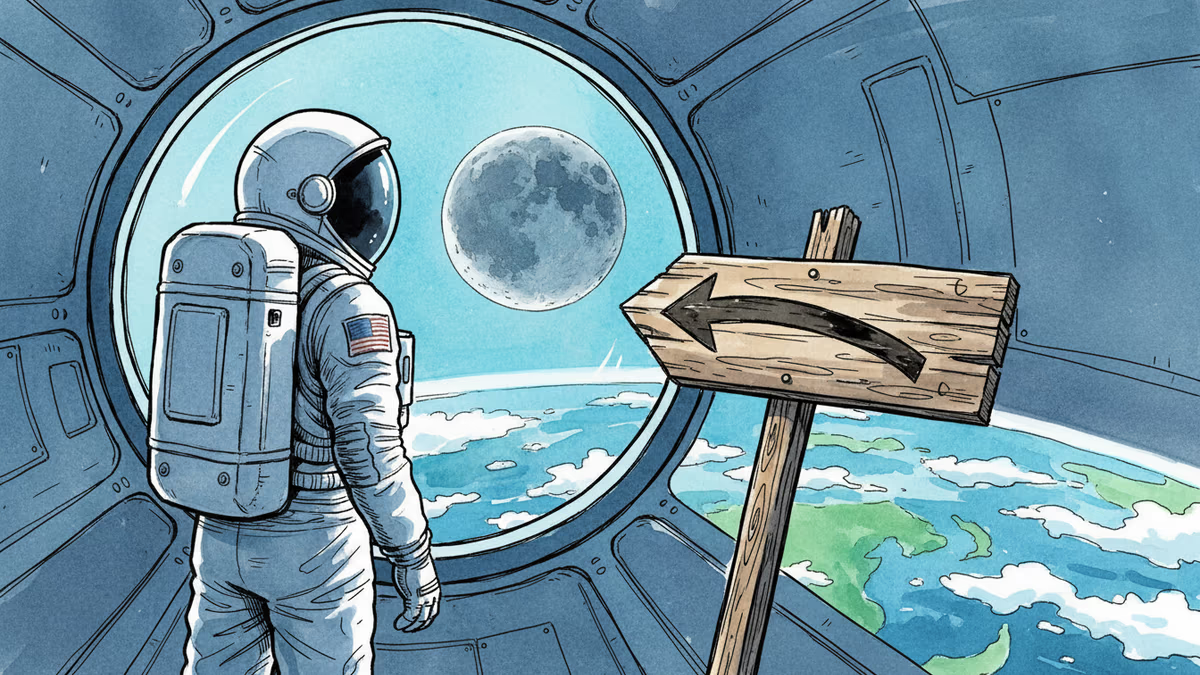
NASA's Artemis III has been redesigned as an Earth-orbit mission. SpaceX and Blue Origin say their landers won't be ready until late 2027. What does this mean for the future of lunar exploration?
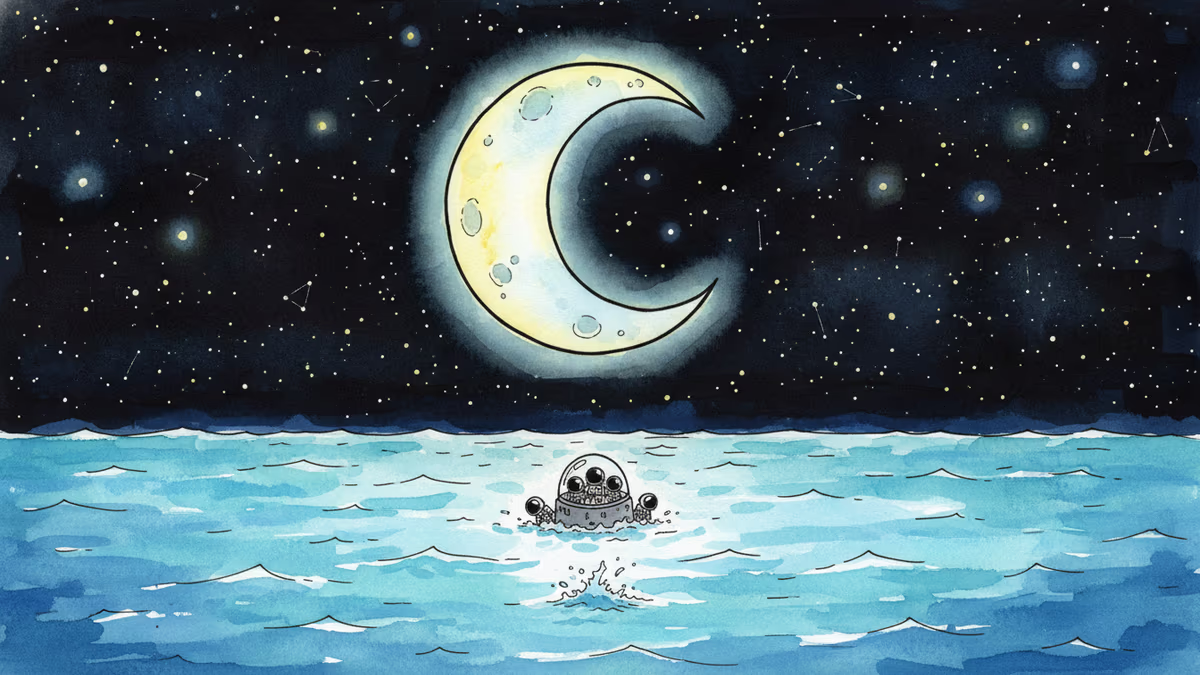
Artemis II splashed down successfully in the Pacific, marking humanity's first crewed deep space mission in over 50 years. But the harder question isn't whether we can go back — it's why we should.
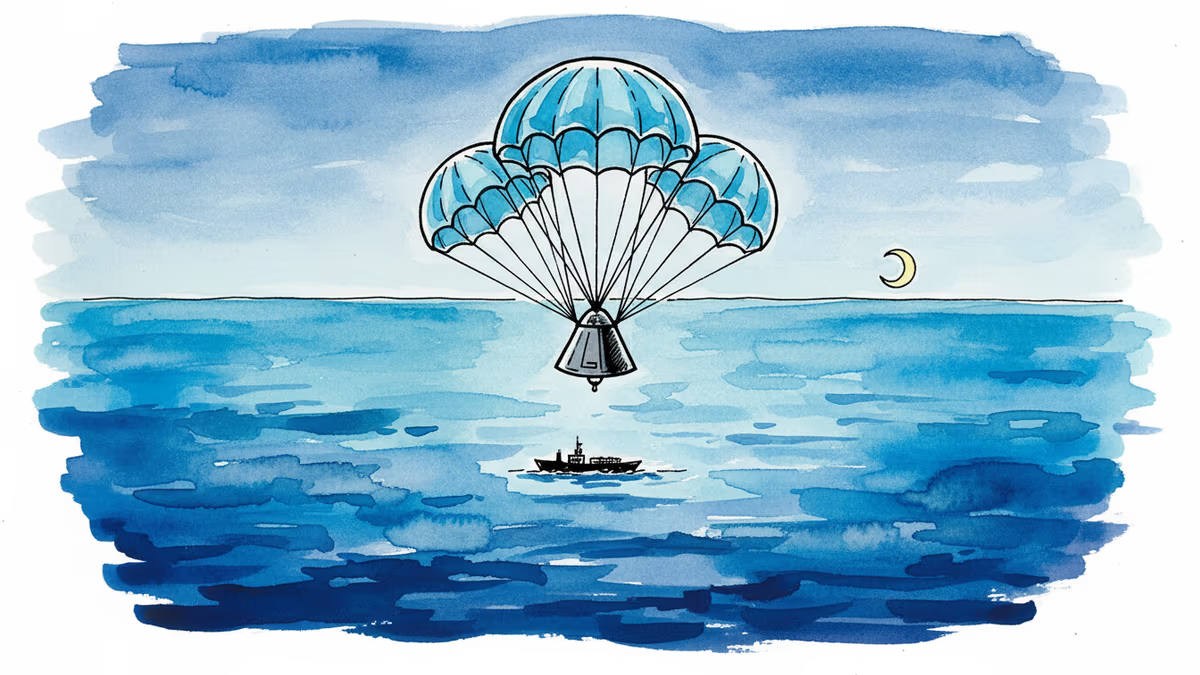
NASA's Orion capsule splashed down safely after humanity's first crewed lunar voyage in 54 years. The mission succeeded. Now the harder questions begin.
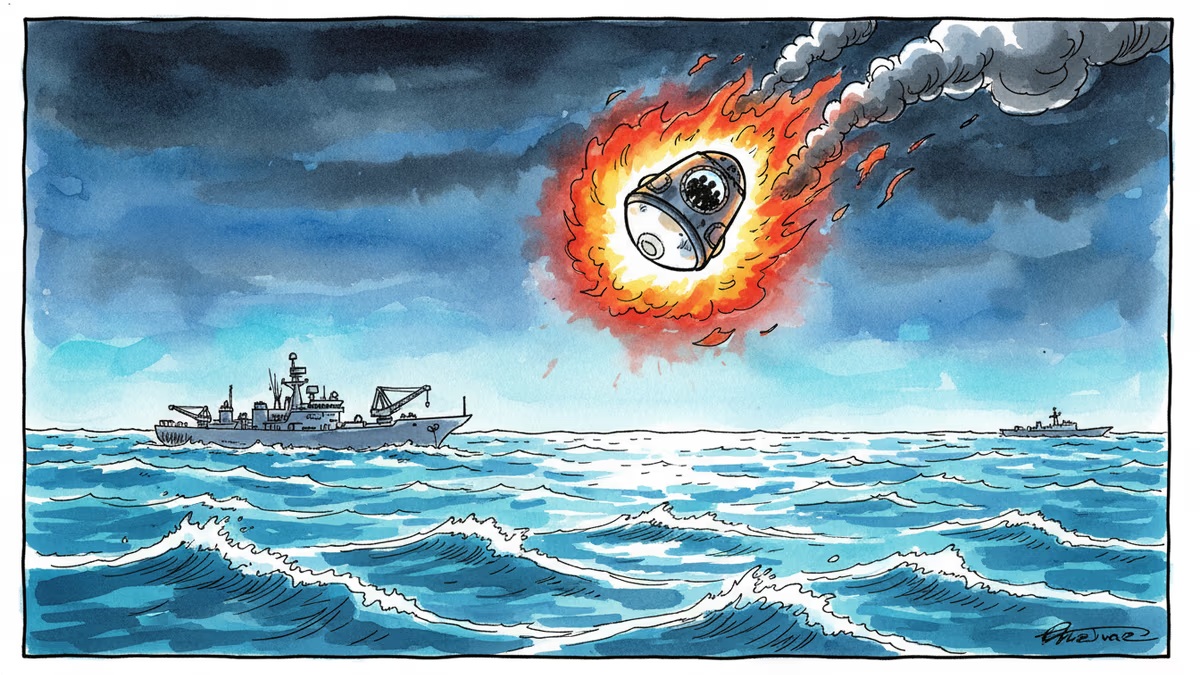
Artemis II's four astronauts are returning to Earth Friday night. The splashdown off Southern California isn't the anticlimax it sounds—it's the most technically perilous moment of the entire lunar journey.
NASA's Artemis III has been redesigned as an Earth-orbit mission. SpaceX and Blue Origin say their landers won't be ready until late 2027. What does this mean for the future of lunar exploration?
Artemis II splashed down successfully in the Pacific, marking humanity's first crewed deep space mission in over 50 years. But the harder question isn't whether we can go back — it's why we should.
NASA's Orion capsule splashed down safely after humanity's first crewed lunar voyage in 54 years. The mission succeeded. Now the harder questions begin.
Artemis II's four astronauts are returning to Earth Friday night. The splashdown off Southern California isn't the anticlimax it sounds—it's the most technically perilous moment of the entire lunar journey.
Thoughts
Share your thoughts on this article
Sign in to join the conversation