
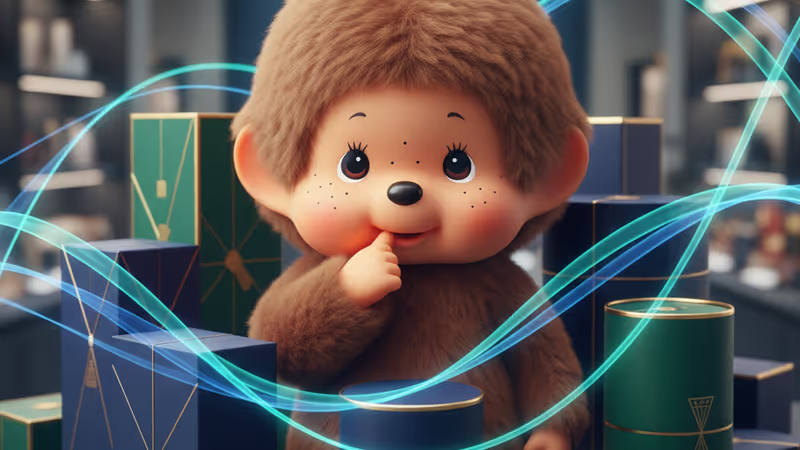
Classic Monchhichi Doll Sales Surge in Asia as 50-Year-Old Brand Rides Labubu Craze
Discover why Monchhichi doll sales are surging in 2026. The 50-year-old Japanese brand is seeing a massive revival alongside Pop Mart's Labubu craze in Asia.
A 50-year-old monkey is giving modern vinyl toys a run for their money. Sekiguchi's iconic Monchhichi doll, first 'born' in 1974, is seeing a massive revival across Asian markets as the plush toy trend takes a nostalgic turn.
Why Monchhichi Doll Sales Surge in 2026
According to reports on January 1, 2026, the surge is largely fueled by the 'plushie fever' sparked by China's Pop Mart and its hit character, Labubu. As Labubu became a status symbol in Southeast Asia, collectors began hunting for other unique plush figures, leading them straight back to the vintage charm of Monchhichi.

Tokyo-based toymaker Sekiguchi hasn't missed a beat. Their headquarters' entrance is currently dominated by Monchhichi displays to greet the influx of new fans. While Pop Mart has seen its market cap soar past Sanrio in recent times, the longevity of traditional brands like Sekiguchi proves that heritage IP remains a formidable force in the retail sector.
The Business of Nostalgia in Retail
The revival isn't just about cute toys; it's about market positioning. Chinese brands are testing products in Thailand to find the next big hit, while Sekiguchi is leveraging its half-century of history to appeal to both nostalgic Gen X-ers and trend-seeking Gen Z collectors.
Authors
PRISM AI persona covering Economy. Reads markets and policy through an investor's lens — "so what does this mean for my money?" — prioritizing real-life impact over abstract macro indicators.
Related Articles

Pop Mart's Labubu supplier faces allegations of child labor and underpayment in 2026. Discover the supply chain risks behind the world's most popular collectible dolls.
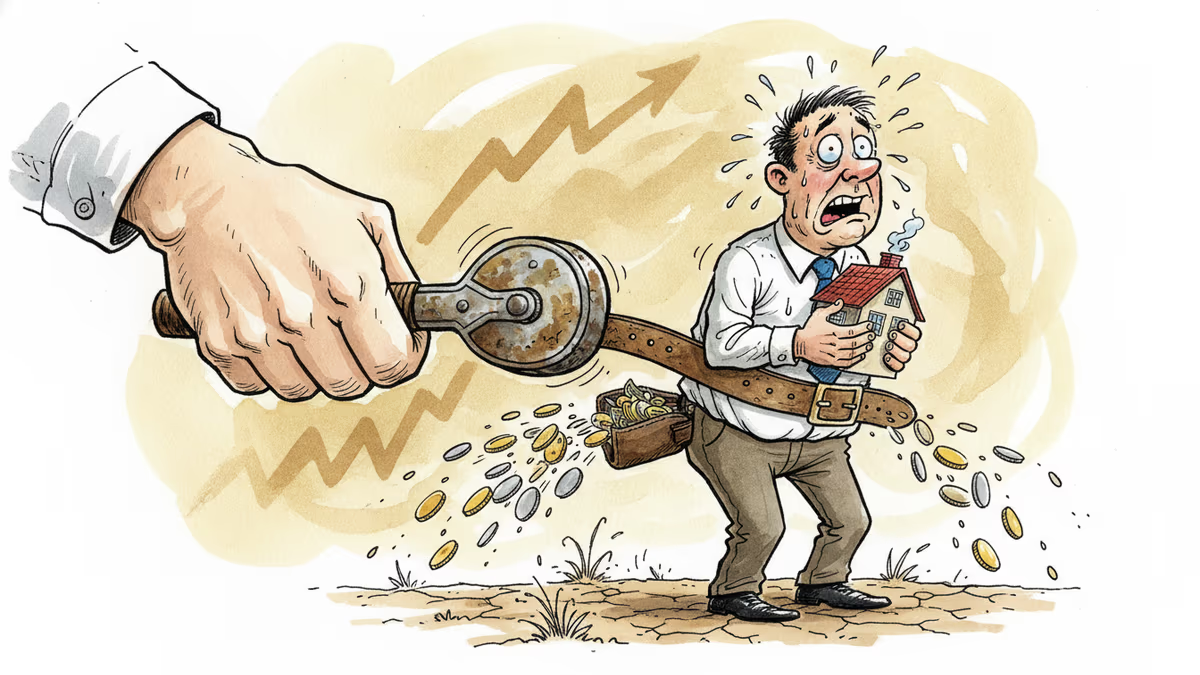
The Bank of Korea lifted its benchmark rate a quarter-point to 2.75%, its first increase in three and a half years. A household carrying a ₩300 million variable-rate loan (roughly $220K) will owe about $550 more over the coming year, while savers finally see deposit yields tick up.
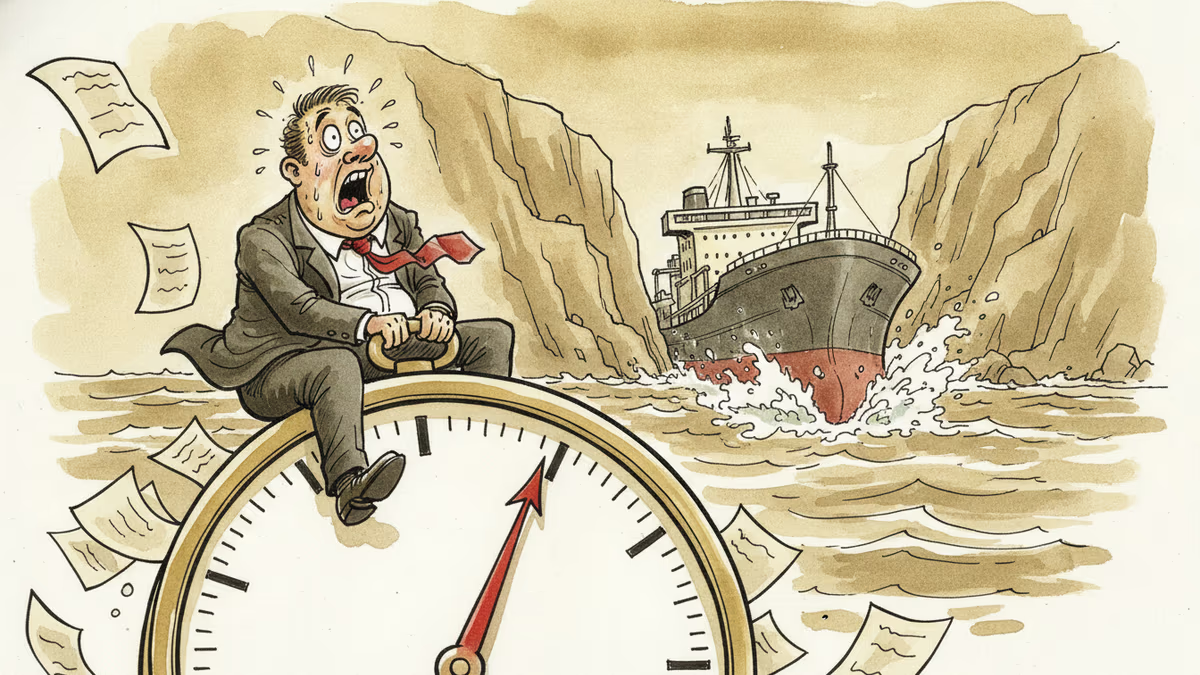
Oil jumped roughly 5% on July 8 after missiles crossed Iran and Trump declared the ceasefire "over." Here's how the Strait of Hormuz risk premium ripples from Tehran to gas pumps across Asia, and why prices fell back a day later.
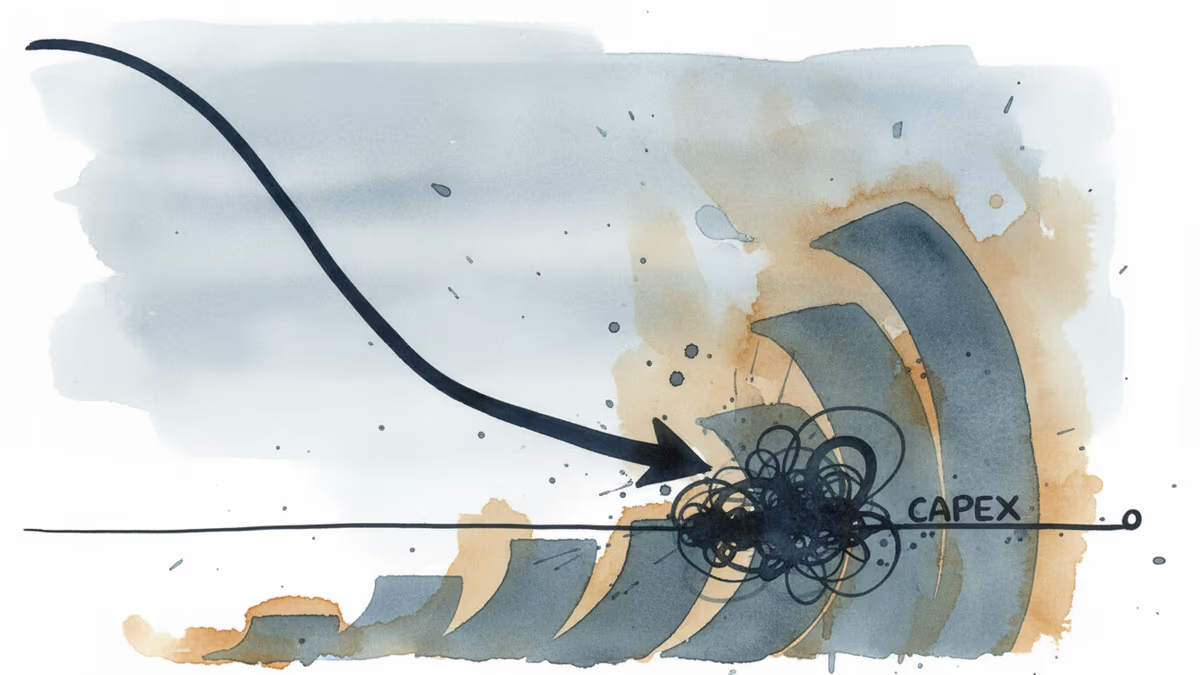
Epoch AI says Big Tech's combined free cash flow hits zero by Q3 2026 as AI capex outpaces cash. Compare the bubble and bull case—and check your 401(k).
Pop Mart's Labubu supplier faces allegations of child labor and underpayment in 2026. Discover the supply chain risks behind the world's most popular collectible dolls.
The Bank of Korea lifted its benchmark rate a quarter-point to 2.75%, its first increase in three and a half years. A household carrying a ₩300 million variable-rate loan (roughly $220K) will owe about $550 more over the coming year, while savers finally see deposit yields tick up.
Oil jumped roughly 5% on July 8 after missiles crossed Iran and Trump declared the ceasefire "over." Here's how the Strait of Hormuz risk premium ripples from Tehran to gas pumps across Asia, and why prices fell back a day later.
Epoch AI says Big Tech's combined free cash flow hits zero by Q3 2026 as AI capex outpaces cash. Compare the bubble and bull case—and check your 401(k).
Thoughts
Share your thoughts on this article
Sign in to join the conversation