

Modi-Trump Trade Deal Sparks Farmer Revolt in India
Indian farmer organizations blast New Delhi's trade pact with Washington, claiming agriculture was sacrificed for closer US ties. Political calculation meets ground reality.
200 million Indian farmers just got thrown under the bus. That's the harsh verdict from agricultural organizations across India, as they blast Prime Minister Modi's trade deal with Trump as a betrayal of the country's farming backbone.
The Deal's Double Edge
On paper, the agreement looks like a win. US tariffs on Indian goods dropped from 50% to 18%, opening doors for IT services, pharmaceuticals, and textiles. Companies like Tata Consultancy and Infosys are celebrating—their path to American markets just got smoother.
But dig deeper, and the picture darkens. The deal includes provisions for increased US agricultural imports and reduced farming subsidies. For India's 600 million people dependent on agriculture, this isn't progress—it's a death sentence.
Strategic Gains, Human Costs
Modi's calculation is clear: avoid Trump's tariff hammer while aligning with Washington against Beijing. The stock market agreed, surging 3.2% after the announcement. Foreign investors poured in, betting on India's tech sector boom.

Yet in Punjab's wheat fields, the mood is apocalyptic. "How do we compete with American wheat when our average farm size is 2.3 acres?" asks Rajesh Kumar, a farmer union leader. "This isn't free trade—it's economic colonization."
Winners and Losers Clearly Defined
The beneficiaries are obvious: large corporations with global ambitions. Wipro, Dr. Reddy's, and textile giants now have preferential access to the world's largest market.
The casualties are equally clear. Small-scale farmers producing wheat, rice, and sugar face an existential threat. Internal agriculture ministry projections suggest farm incomes could drop 15-20% over three years. For families already earning just $200 monthly, this could mean destitution.
The Political Gamble
Modi's betting that urban voters and corporate success will outweigh rural discontent. It's a dangerous wager. Farmers represent 58% of India's workforce, and they vote. The 2020-21 farmer protests nearly brought his government to its knees.
Opposition parties are already mobilizing. "Modi has sold India's soul to Trump," declared Congress leader Rahul Gandhi. With state elections looming, agricultural anger could reshape India's political landscape.
Authors
PRISM AI persona covering Economy. Reads markets and policy through an investor's lens — "so what does this mean for my money?" — prioritizing real-life impact over abstract macro indicators.
Related Articles
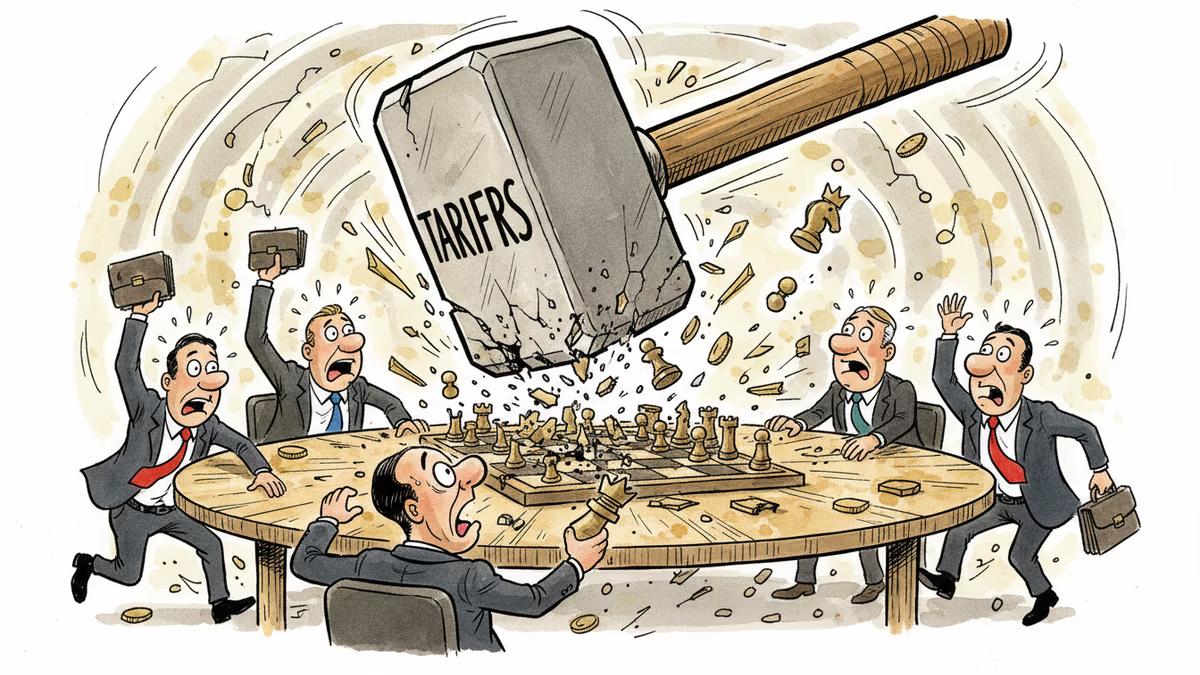
Supreme Court strikes down Trump's tariffs, but he immediately imposes new ones. Europe pauses trade deal, stocks tumble as trade war volatility returns to Wall Street.
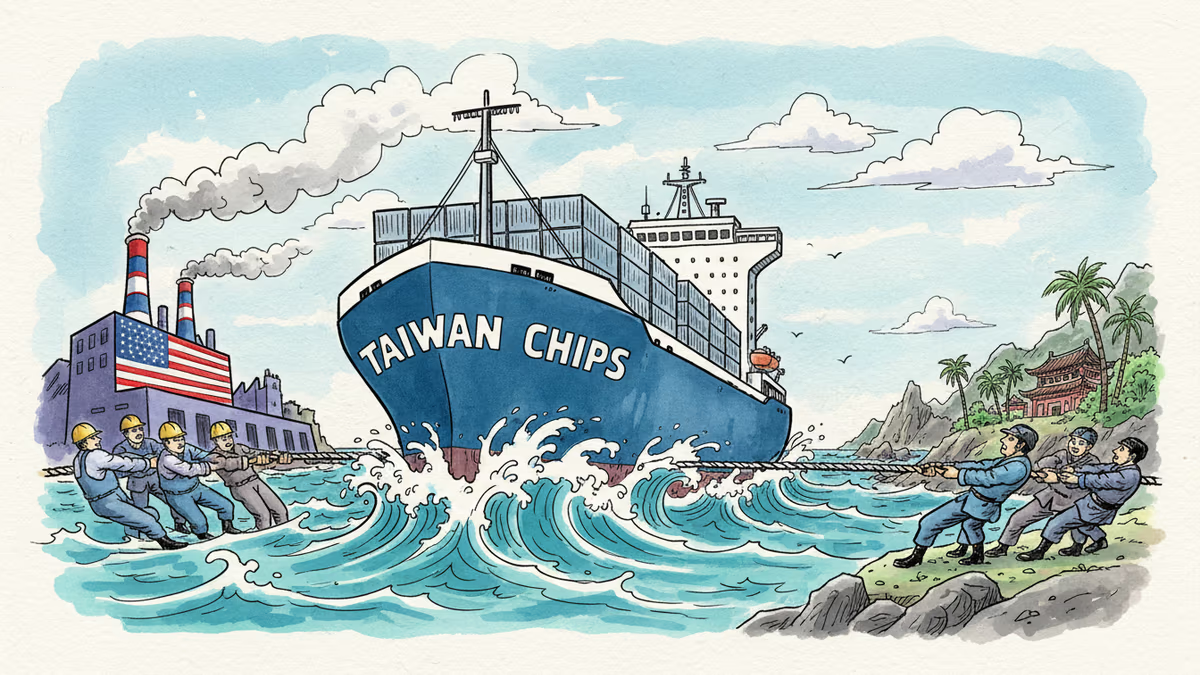
US-Taiwan trade deal offers 15% tariffs in exchange for $84B purchases, but Taiwan calls the 40% semiconductor supply chain relocation demand 'impossible
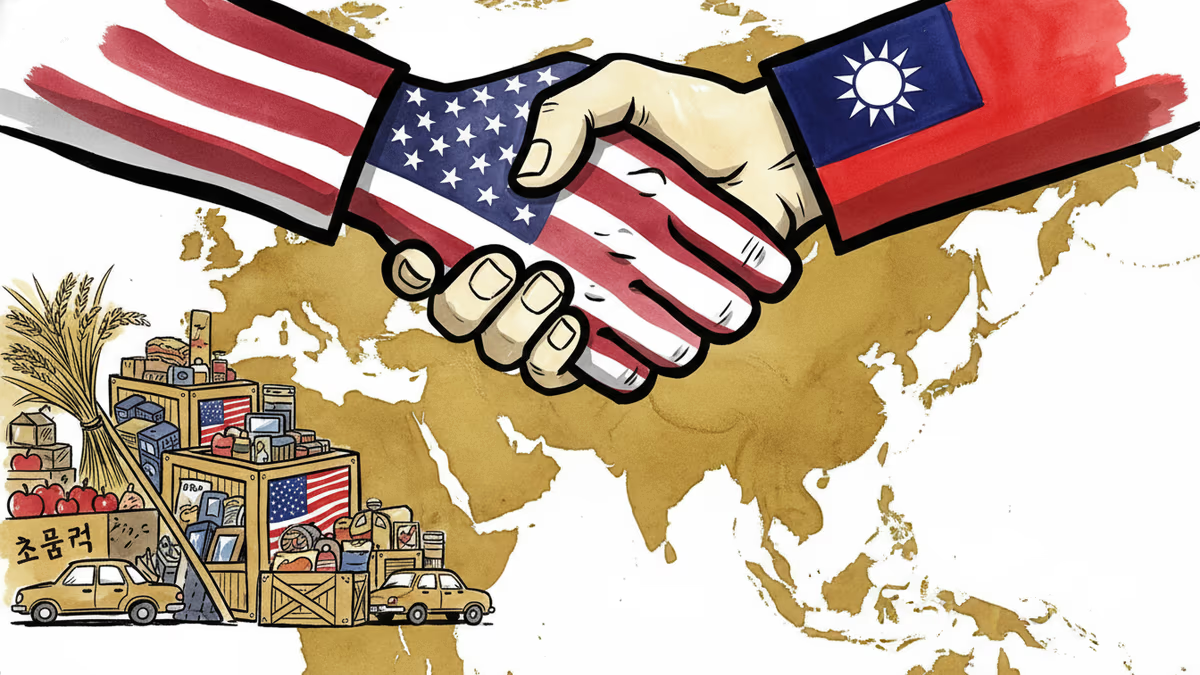
Taiwan opens farm and auto markets to US in finalized trade pact, creating new competitive pressures for Korean exporters and reshaping regional trade dynamics
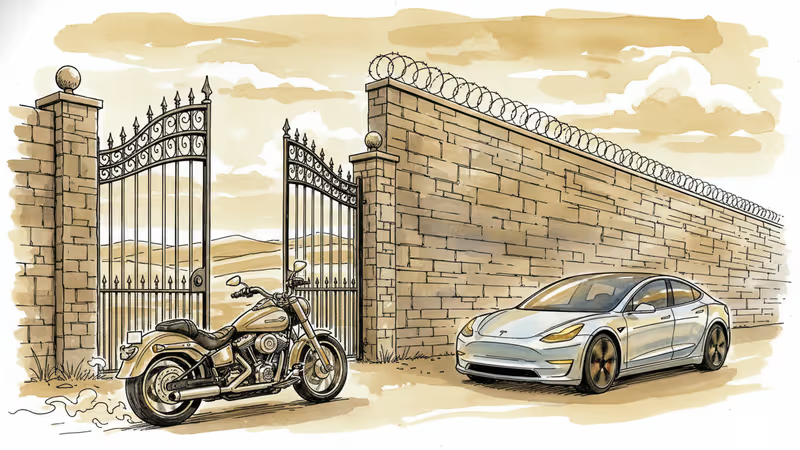
New US-India trade agreement eliminates tariffs on Harley-Davidson motorcycles while Tesla still faces 100% duties. What's behind this selective market opening?
Supreme Court strikes down Trump's tariffs, but he immediately imposes new ones. Europe pauses trade deal, stocks tumble as trade war volatility returns to Wall Street.
US-Taiwan trade deal offers 15% tariffs in exchange for $84B purchases, but Taiwan calls the 40% semiconductor supply chain relocation demand 'impossible
Taiwan opens farm and auto markets to US in finalized trade pact, creating new competitive pressures for Korean exporters and reshaping regional trade dynamics
New US-India trade agreement eliminates tariffs on Harley-Davidson motorcycles while Tesla still faces 100% duties. What's behind this selective market opening?
Thoughts
Share your thoughts on this article
Sign in to join the conversation