
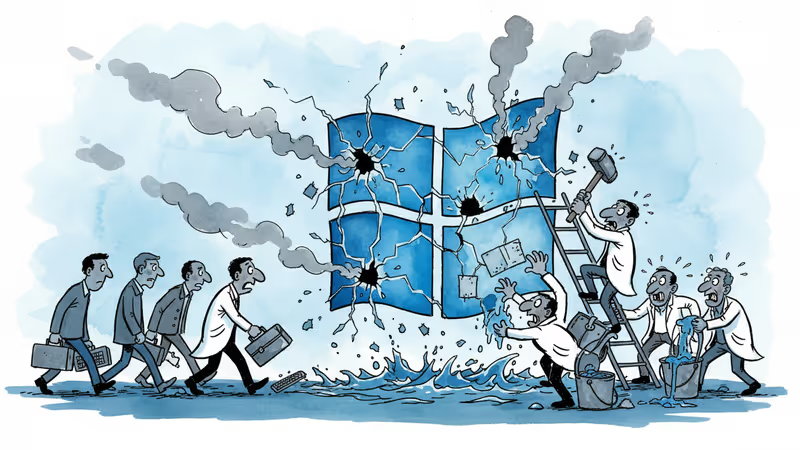
Windows 11's Crisis Forces Microsoft's Biggest OS Rethink
After 40 years, Windows faces its biggest crisis yet. Bugs, ads, and AI missteps are pushing Microsoft to fundamentally rethink its flagship operating system.
After four decades of dominance, Windows is facing an existential crisis that's forcing Microsoft to question everything about its flagship operating system. The company that once commanded 95% of the desktop market is now scrambling to address a growing revolt among its most loyal users.
The Perfect Storm of Problems
Windows 11 launched with ambitious promises but delivered a cascade of frustrations. Users report persistent bugs that crash applications mid-workflow, performance issues that slow down even high-end machines, and an interface cluttered with ads masquerading as "recommendations." The operating system that was supposed to streamline productivity has become a source of daily friction.
The situation worsened with Microsoft's strict hardware requirements, effectively telling millions of users their perfectly functional computers were suddenly obsolete. A 2019 business laptop running flawlessly? Sorry, no Windows 11 for you. This decision alienated the very IT professionals and power users who've championed Windows in corporate environments for decades.
But the final straw may be Microsoft's aggressive AI integration. Features like Copilot and Recall promised to revolutionize how we work, yet many users find them intrusive rather than helpful. The company's rush to embed AI everywhere has created a system that feels less like a tool and more like a surveillance platform with productivity features.
Behind the Scenes Scramble

Sources familiar with Microsoft's internal operations reveal that Windows engineers are now in crisis mode, fundamentally reconsidering the operating system's direction. This isn't just about fixing bugs—it's about rebuilding trust with a user base that's increasingly exploring alternatives.
The timing couldn't be worse for Microsoft. As cloud computing reduces dependence on specific operating systems and Apple's M-series chips make macOS increasingly attractive to professionals, Windows is losing its monopolistic grip. Even Google'sChromeOS is gaining ground in educational and enterprise markets where simplicity trumps feature bloat.
The Broader Implications
This Windows crisis reflects a larger tension in the tech industry between innovation and user experience. Microsoft's push to integrate every new technology—from AI to cloud services—has created an operating system that serves the company's strategic interests more than user needs.
For businesses, this creates a genuine dilemma. Staying with Windows 10 means eventual security risks, but upgrading to Windows 11 means accepting an increasingly unstable platform. Some enterprises are already exploring Linux distributions or considering Apple's ecosystem for the first time in decades.
The consumer impact extends beyond mere inconvenience. When your operating system becomes unreliable, it affects everything from remote work productivity to digital creativity. Students, freelancers, and small businesses—groups that can't afford IT departments to manage these issues—are bearing the brunt of Microsoft's experimentation.
Authors
Related Articles
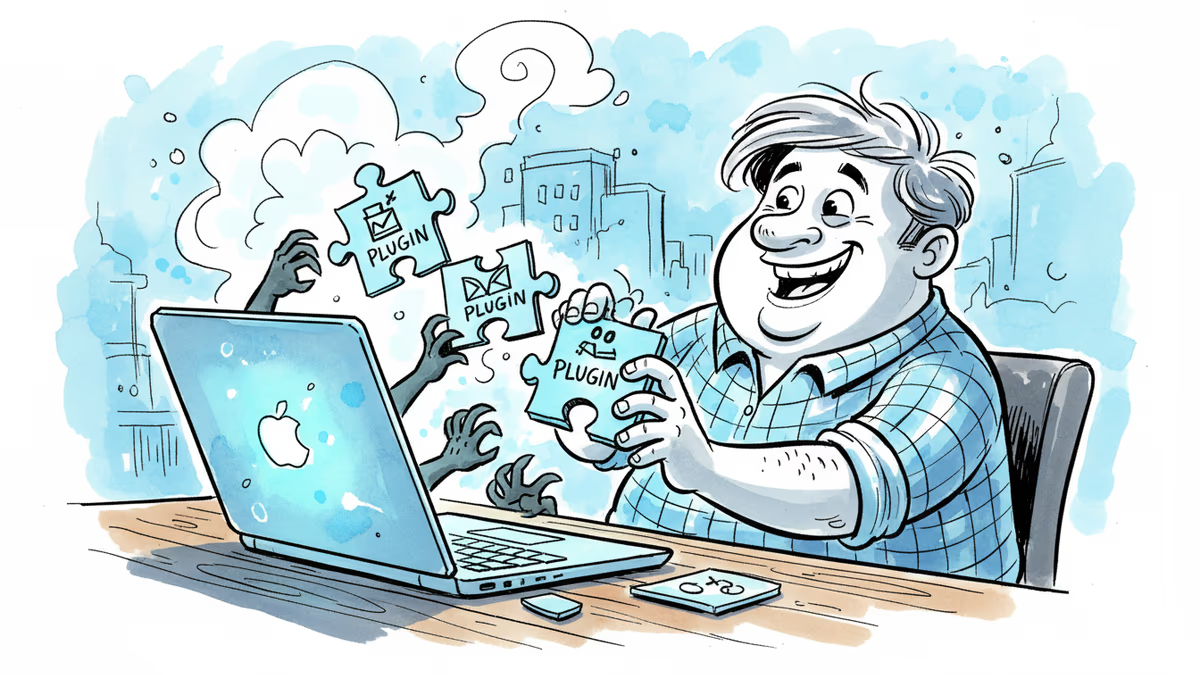
GitHub confirmed hackers stole data from 3,800 internal repositories via a poisoned VS Code extension. Here's why developer tools are now the most dangerous attack surface in tech.
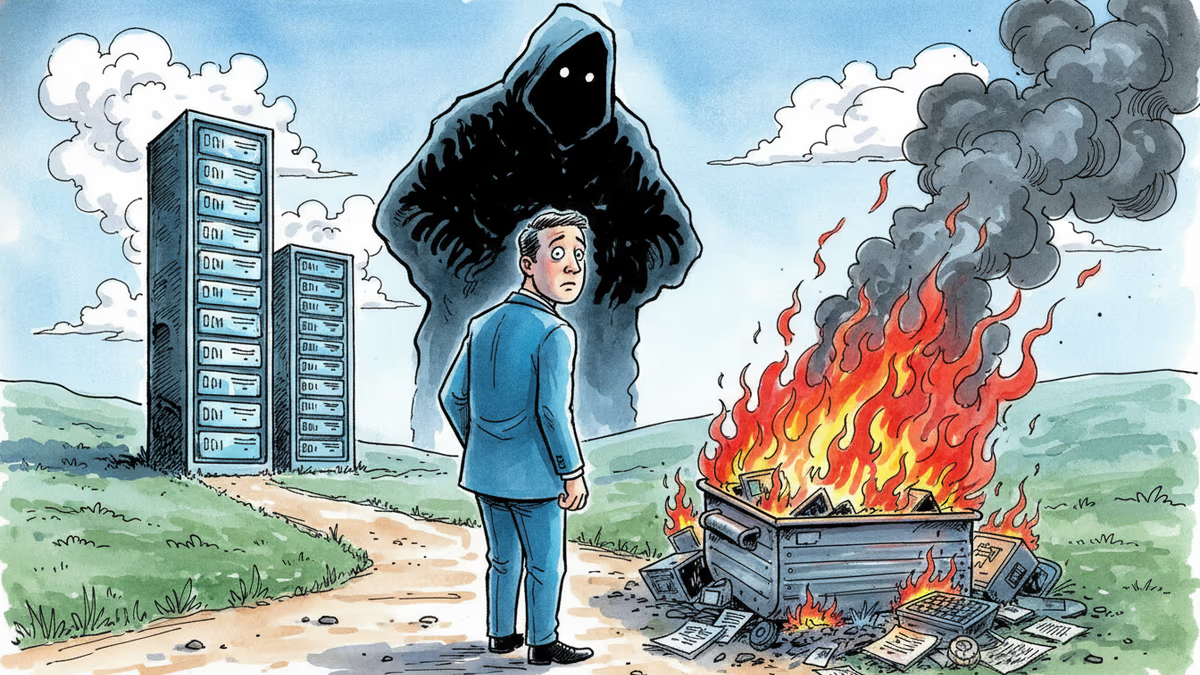
Emails revealed in the Musk v. Altman trial show Microsoft executives were deeply skeptical of OpenAI in 2017–2018. What actually changed their minds?
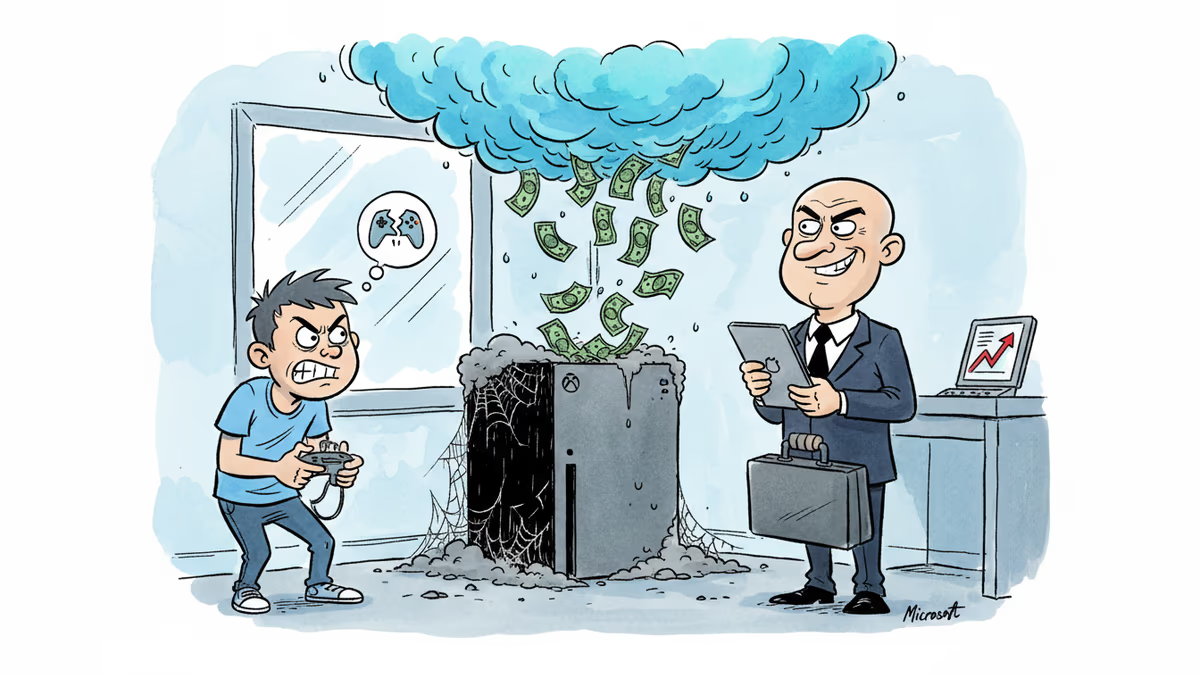
Xbox hardware revenue dropped 33% in Q1 2026, yet Microsoft posted $82.9B in total revenue. What this tells us about the future of gaming—and who actually loses.
Microsoft is letting Windows users delay updates indefinitely — 35 days at a time, as many times as they want. A long-overdue fix, or a security risk hiding in plain sight?
GitHub confirmed hackers stole data from 3,800 internal repositories via a poisoned VS Code extension. Here's why developer tools are now the most dangerous attack surface in tech.
Emails revealed in the Musk v. Altman trial show Microsoft executives were deeply skeptical of OpenAI in 2017–2018. What actually changed their minds?
Xbox hardware revenue dropped 33% in Q1 2026, yet Microsoft posted $82.9B in total revenue. What this tells us about the future of gaming—and who actually loses.
Microsoft is letting Windows users delay updates indefinitely — 35 days at a time, as many times as they want. A long-overdue fix, or a security risk hiding in plain sight?
Thoughts
Share your thoughts on this article
Sign in to join the conversation