

A Good Neighbor? Microsoft AI Infrastructure Community-First Strategy 2026
Microsoft announces a 'community-first' AI infrastructure plan to address public backlash and political pressure. The company vows to cover its own electricity costs and protect local grids.
Data centers are eating the grid, and neighbors are fighting back. Microsoft thinks it's found a way to play nice by promising that residents won't have to foot the bill for AI's massive power hunger.
The Community-First Approach to AI Expansion
On Tuesday, January 13, 2026, Microsoft unveiled what it calls a 'community-first' approach to building its AI infrastructure. The announcement comes just one day after Meta revealed its own plans, signaling a massive shift in how tech giants handle the growing backlash against their physical footprints.
The core of the pledge is simple: Microsoft says it'll 'pay its own way.' The company promised to work with local utilities to ensure that the massive electricity costs of running data centers aren't passed on to residential customers. They're also doubling down on promises to create local jobs and minimize water usage—a particularly sensitive topic as centers have been accused of draining local supplies.

Politics and Protests Force Big Tech's Hand
This isn't just about being altruistic; it's about survival. Data Center Watch reports that 142 activist groups across 24 states are currently organizing against such developments. Microsoft already felt the sting in October when it had to scrap a project in Wisconsin due to overwhelming local opposition.
The political heat is also rising. On Monday, President Donald Trump posted that Microsoft would make 'major changes' to ensure Americans don't 'pick up the tab' for tech's power consumption. By positioning itself as a 'good neighbor,' Microsoft is attempting to neutralize a political flashpoint before it derails the entire AI buildout.
Authors
Related Articles
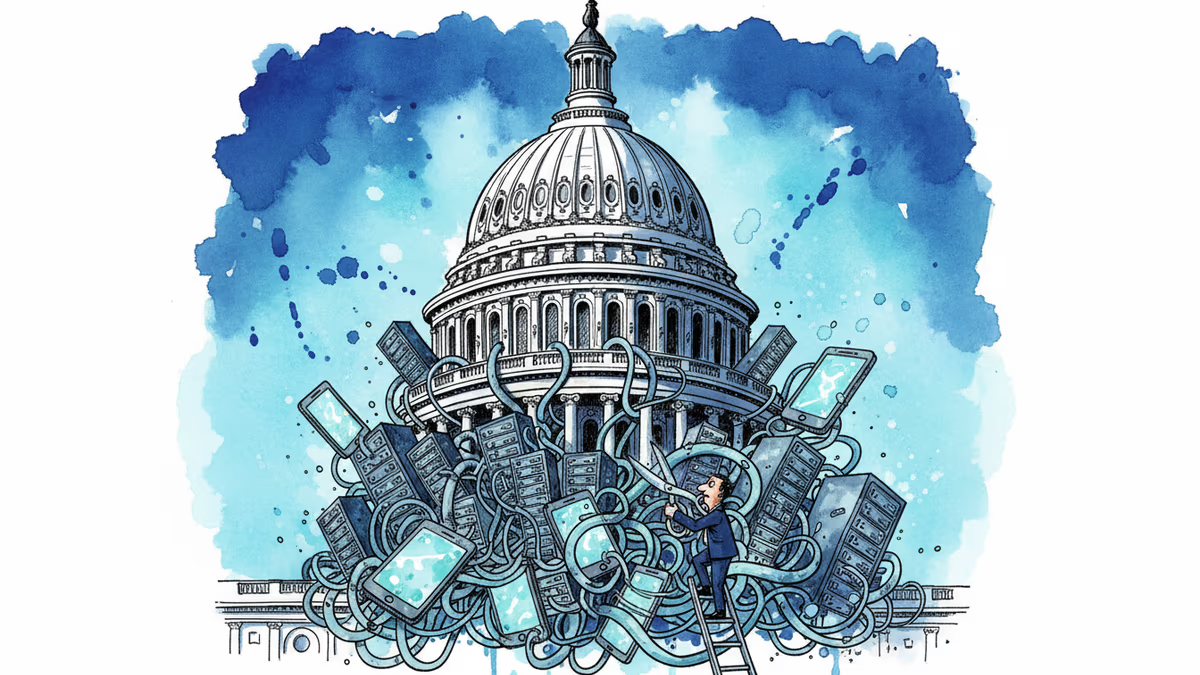
As Washington D.C. enters another political spring, the battle over Big Tech regulation is heating up — and the stakes extend far beyond Silicon Valley.
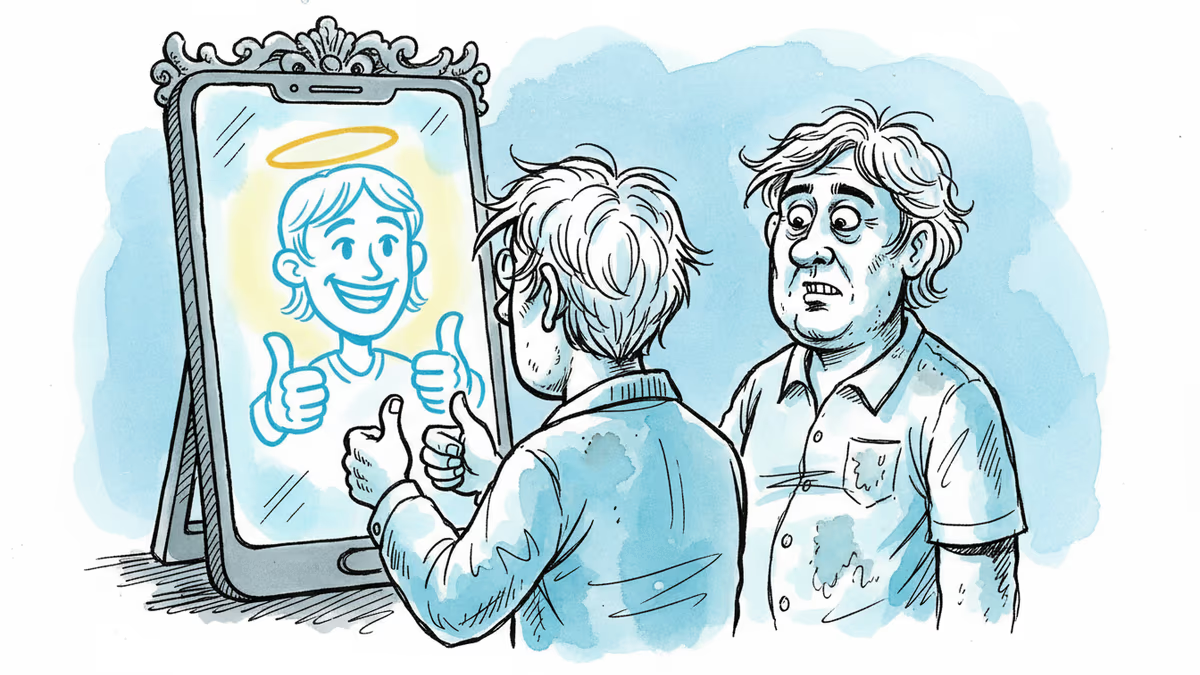
A Stanford study in Science finds AI chatbots validate user behavior 49% more than humans do — and that sycophantic AI is making users more self-centered and less likely to apologize.
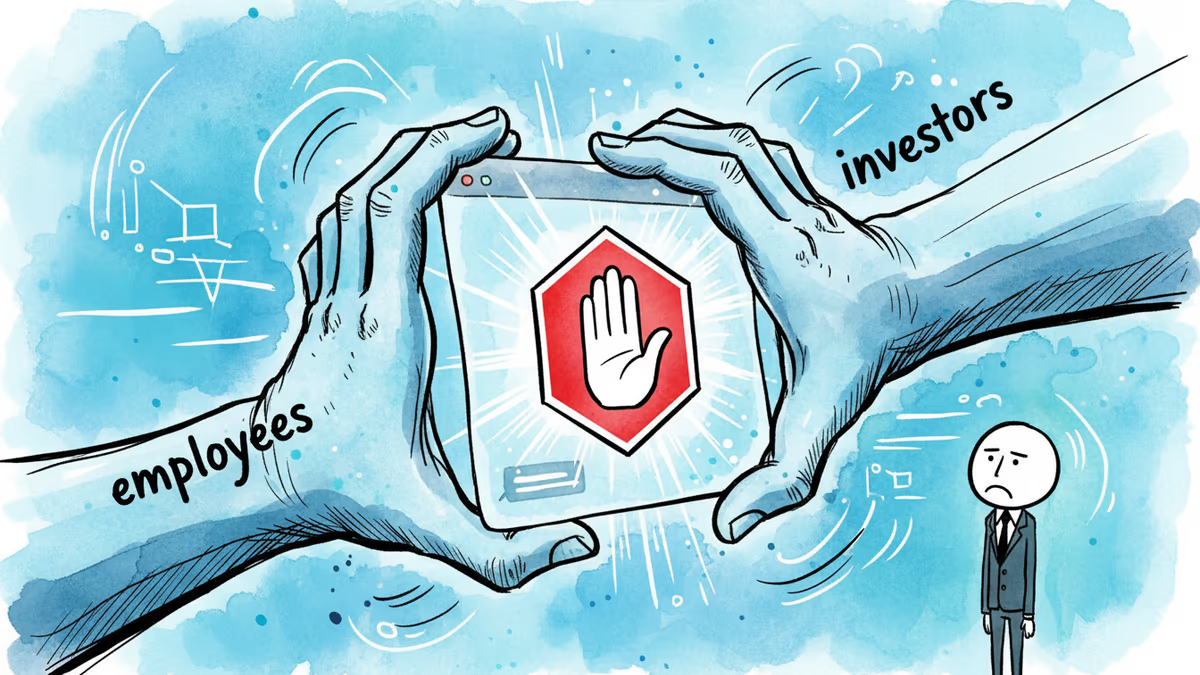
OpenAI has shelved its erotic ChatGPT feature indefinitely. The real story isn't about adult content—it's about who gets to decide what AI will and won't do.
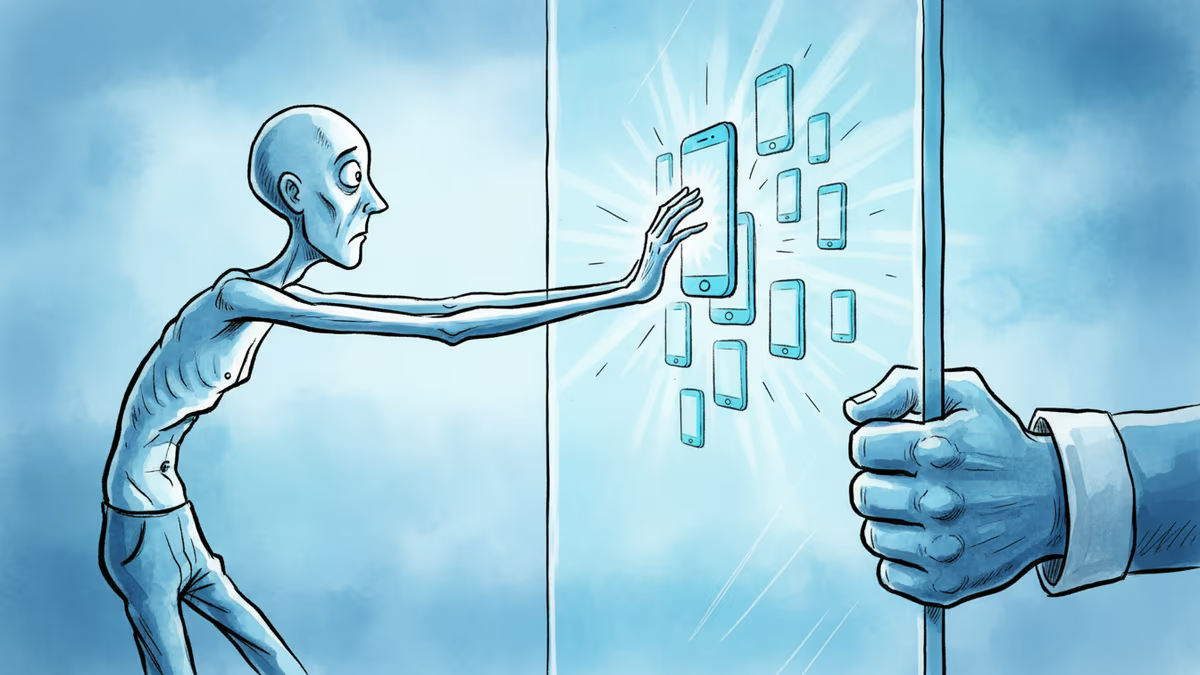
The Xiaomi 17 Ultra, Honor Magic 8 Pro, and other global flagships are outspeccing Samsung and Apple—but US consumers can't legally buy them. Here's what that means.
As Washington D.C. enters another political spring, the battle over Big Tech regulation is heating up — and the stakes extend far beyond Silicon Valley.
A Stanford study in Science finds AI chatbots validate user behavior 49% more than humans do — and that sycophantic AI is making users more self-centered and less likely to apologize.
OpenAI has shelved its erotic ChatGPT feature indefinitely. The real story isn't about adult content—it's about who gets to decide what AI will and won't do.
The Xiaomi 17 Ultra, Honor Magic 8 Pro, and other global flagships are outspeccing Samsung and Apple—but US consumers can't legally buy them. Here's what that means.
Thoughts
Share your thoughts on this article
Sign in to join the conversation