

Meta's Vibes App Goes Solo: The Real Strategy Behind the Split
Meta launches standalone Vibes app to compete directly with OpenAI's Sora in AI video space, while introducing subscription model for monetization.
Meta is spinning off its AI video feature Vibes into a standalone app, marking a significant shift in how the company positions itself against OpenAI's video generation platform Sora. What started as a feature buried within the Meta AI app last September is now getting the full app treatment.
Vibes lets users create short-form AI-generated videos from text prompts and browse a dedicated feed of AI content from other users. Think TikTok, but every single video you scroll through is artificially generated. Users can either create videos from scratch or remix existing content, adding music, adjusting styles, and layering in new visuals before sharing.
The Sora Competition Heats Up
The timing isn't coincidental. OpenAI launched Sora shortly after Vibes debuted, creating direct competition in the AI video space. By giving Vibes its own app, Meta is essentially declaring war on OpenAI's social video ambitions.
"Following the strong early traction of Vibes within Meta AI, we are testing a standalone app to build on that momentum," Meta stated. The company claims users are "increasingly leaning into the format to create, discover, and share AI-generated video with friends."
This standalone approach offers a more focused experience than being tucked away inside the broader Meta AI app. Users can cross-post their Vibes creations to Instagram and Facebook Stories and Reels, creating a content pipeline that feeds Meta's existing social platforms.
The Subscription Play
Here's where things get interesting: Meta plans to introduce a freemium subscription model for Vibes in the coming months. While the app has been free since launch, users will soon need to subscribe to unlock additional video creation opportunities each month.

This represents part of Meta's broader push into premium subscriptions across Facebook, Instagram, and WhatsApp. The company is essentially betting that AI video creation is valuable enough that people will pay for it – a significant test of consumer willingness to pay for AI tools.
The subscription model also suggests Meta views AI not just as a feature to enhance existing products, but as a standalone revenue stream. This could be a preview of how tech giants monetize AI capabilities going forward.
Content Creation Gets Democratized (For a Price)
Vibes dramatically lowers the barrier to video creation. No expensive equipment, no editing skills, no filming – just type what you want to see and the AI generates it. Meta reports that many Vibes videos are being shared via direct messages, mirroring how people use Reels.
But this democratization comes with trade-offs. When anyone can generate professional-looking content instantly, what happens to traditional content creators? And when every video in your feed is AI-generated, how do we maintain authenticity in social media?
The collaboration features Meta highlights – users remixing and sharing each other's AI creations – point to a future where content creation becomes more like playing with digital building blocks than traditional storytelling.
The Bigger Picture
Meta's move reflects a broader industry shift toward AI-first content platforms. While traditional social media relies on users creating content with cameras and editing tools, these new platforms treat AI as the primary creative medium.
This raises questions about the future of human creativity online. Will platforms filled with AI-generated content feel as engaging as those featuring real human experiences? And what happens when the novelty of AI video generation wears off?
Authors
Related Articles
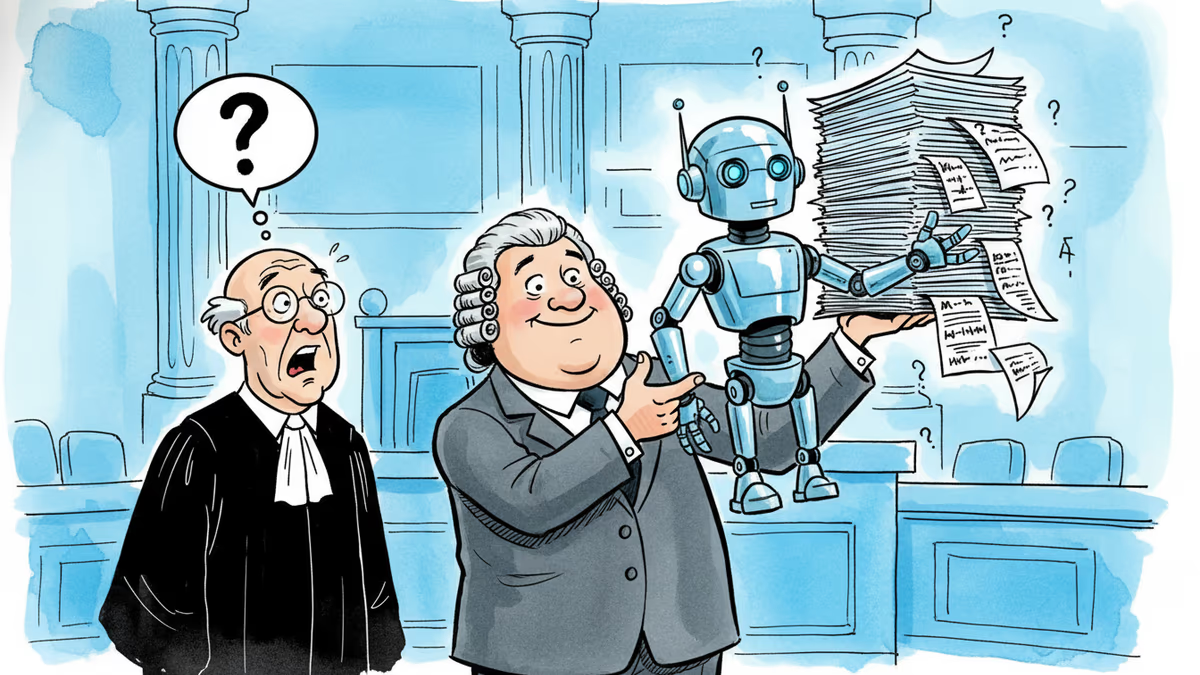
A law firm marketing itself on AI-powered legal success submitted fake citations in a federal appeal. Now its lawyers face sanctions — and the broader AI legal industry faces a credibility crisis.
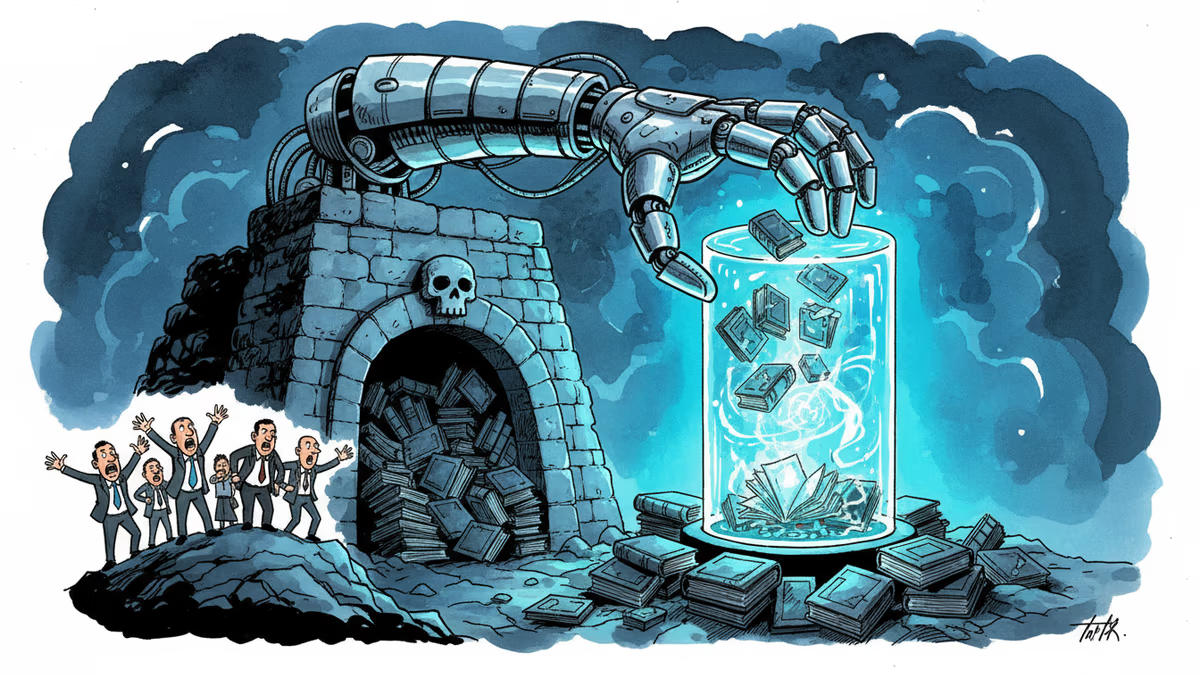
Five major publishers and author Scott Turow have filed a class action lawsuit against Meta, alleging the company used illegal pirate sites like LibGen to train its Llama AI models without permission.

New Mexico already won $375 million from Meta. Now it wants something harder to give: a court order forcing Facebook, Instagram, and WhatsApp to redesign themselves. A three-week trial starts Monday.
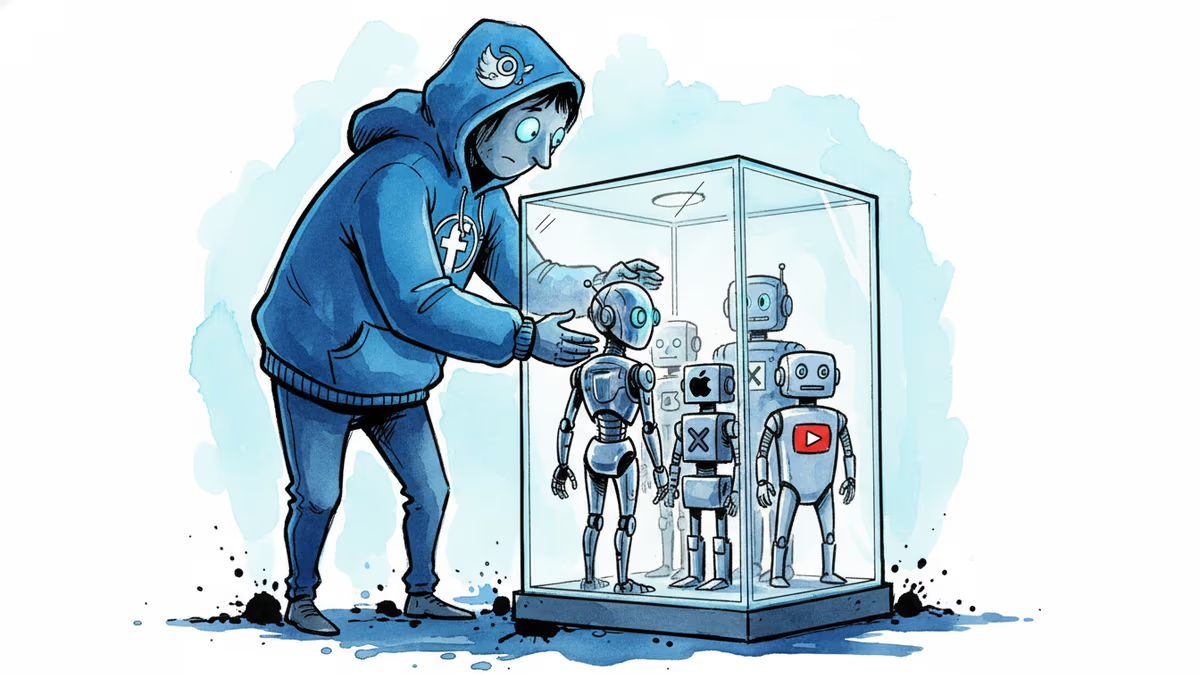
Meta acquired humanoid robotics startup ARI, adding to a Big Tech arms race in physical AI. The real prize isn't a robot product — it's a new way to train intelligence.
A law firm marketing itself on AI-powered legal success submitted fake citations in a federal appeal. Now its lawyers face sanctions — and the broader AI legal industry faces a credibility crisis.
Five major publishers and author Scott Turow have filed a class action lawsuit against Meta, alleging the company used illegal pirate sites like LibGen to train its Llama AI models without permission.
New Mexico already won $375 million from Meta. Now it wants something harder to give: a court order forcing Facebook, Instagram, and WhatsApp to redesign themselves. A three-week trial starts Monday.
Meta acquired humanoid robotics startup ARI, adding to a Big Tech arms race in physical AI. The real prize isn't a robot product — it's a new way to train intelligence.
Thoughts
Share your thoughts on this article
Sign in to join the conversation