

Meta Nuclear Energy Deals 2026: Securing Gigawatts for the AI Era
Meta has signed massive nuclear power deals with Vistra, Oklo, and TerraPower to fuel its AI data centers. Explore the Meta nuclear energy deals 2026 roadmap and SMR strategy.
AI's hunger for power is reshaping the energy landscape. Meta just dropped a bombshell by announcing three separate deals to power its global data centers with nuclear energy. By partnering with an established utility giant and two ambitious startups, the social media titan is betting big on nuclear fission to provide the 24/7 carbon-free electricity its AI infrastructure demands.
Inside the Meta Nuclear Energy Deals 2026 Strategy
The multifaceted strategy involves Vistra, Oklo, and TerraPower. The most immediate relief comes from Vistra, as Meta has signed a 20-year agreement to purchase 2.1 gigawatts from existing plants in Ohio. Vistra will also boost capacity at its Pennsylvania and Ohio sites, adding 433 MW to the grid by the early 2030s.

For its long-term needs, Meta is turning to Small Modular Reactors (SMRs). Oklo aims to supply 1.2 gigawatts starting as early as 2030. Meanwhile, Bill Gates-backed TerraPower is slated to begin delivery in 2032. Meta holds the rights to buy up to 2.8 gigawatts of capacity from TerraPower's innovative molten sodium reactors.
The SMR Gamble: Costs and Regulatory Hurdles
While the vision is clear, execution remains a challenge. Oklo has struggled with the NRC approval process for its reactor designs. Furthermore, the economic viability of SMRs is still a hypothesis. TerraPower targets $50 to $60 per MWh, while Oklo aims for $80 to $130. These figures are ambitious, and early-stage construction costs often spiral beyond initial estimates.
Authors
Related Articles
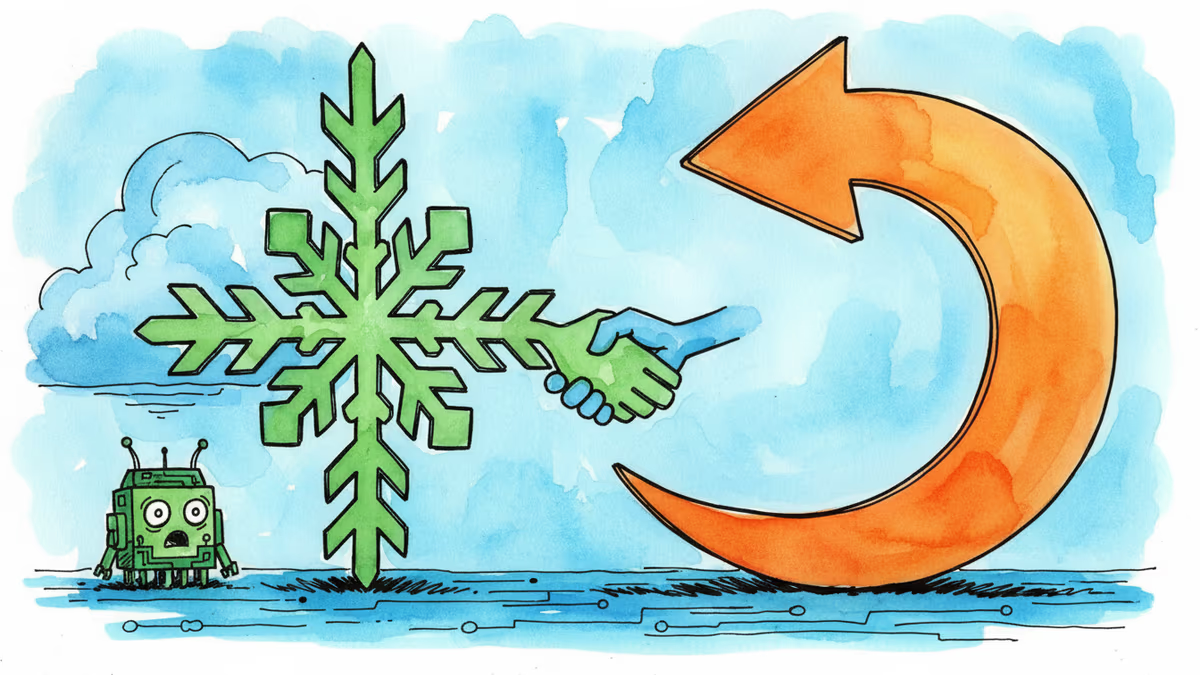
Snowflake's new $6 billion AWS contract is about more than cloud spending. It signals a shift in AI infrastructure—away from Nvidia GPUs and toward cheaper, homegrown chips for the agent era.
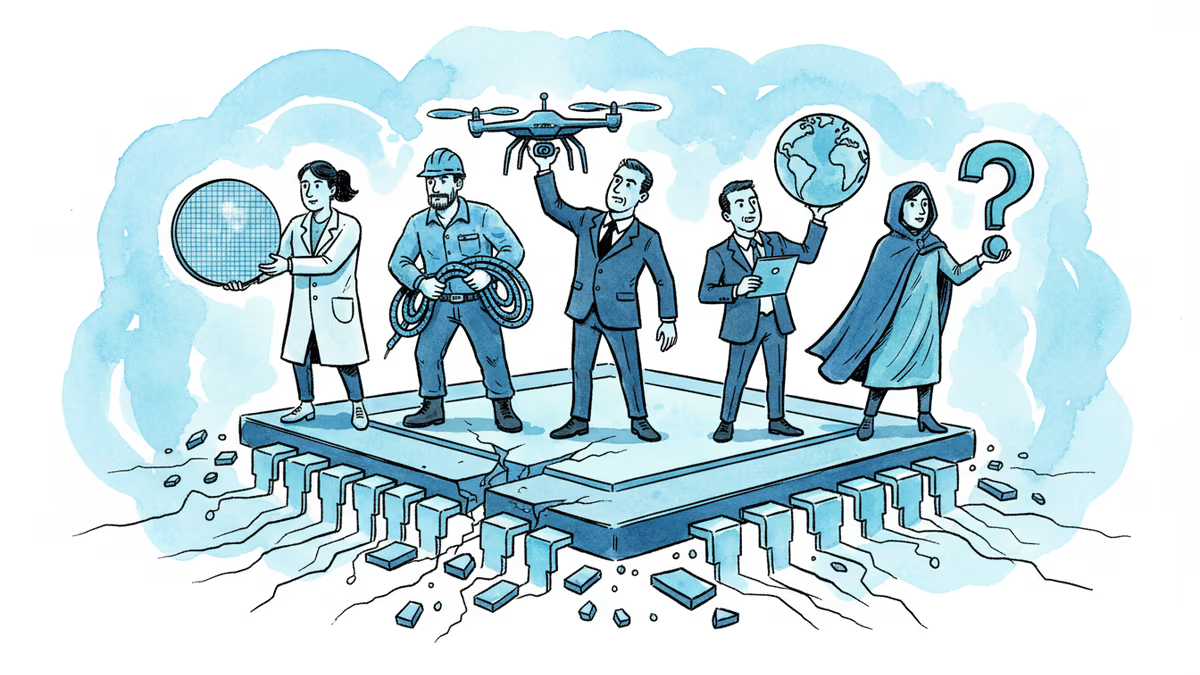
At Milken 2026, five AI insiders—from the CEO of ASML to a quantum physicist challenging LLMs—laid out the physical, energy, and geopolitical limits the AI boom is running into.
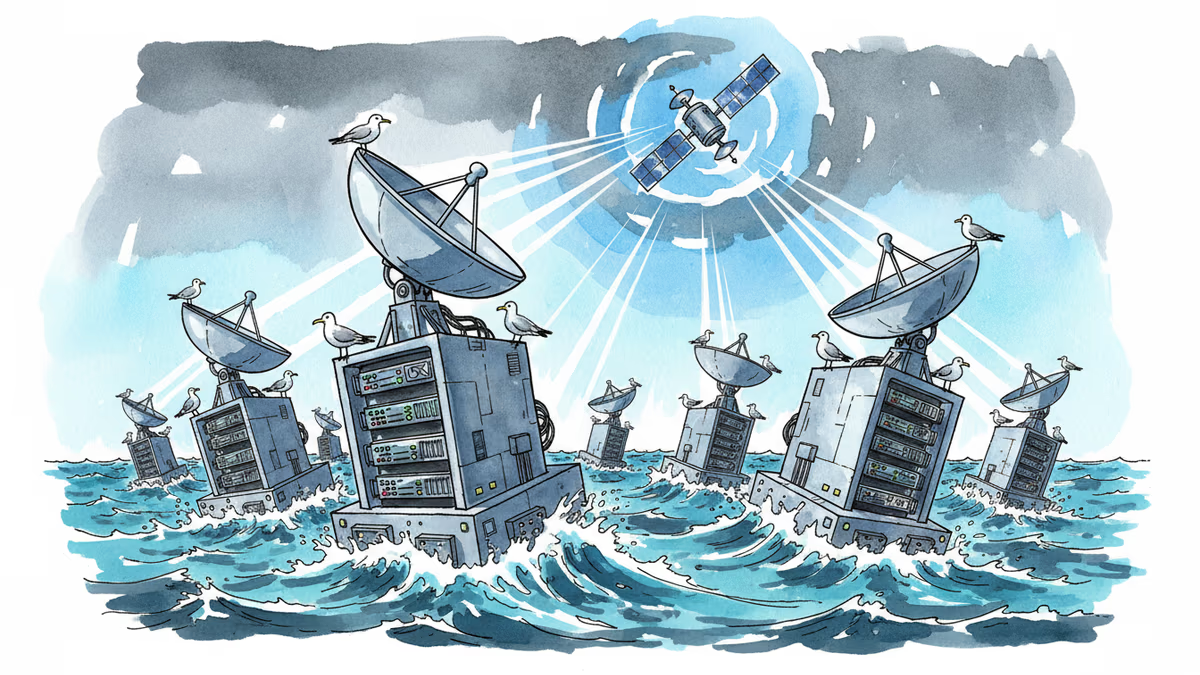
Palantir co-founder Peter Thiel and other Silicon Valley investors have poured $140 million into Panthalassa, a startup building wave-powered floating AI data centers in the open ocean. Here's what that actually means.
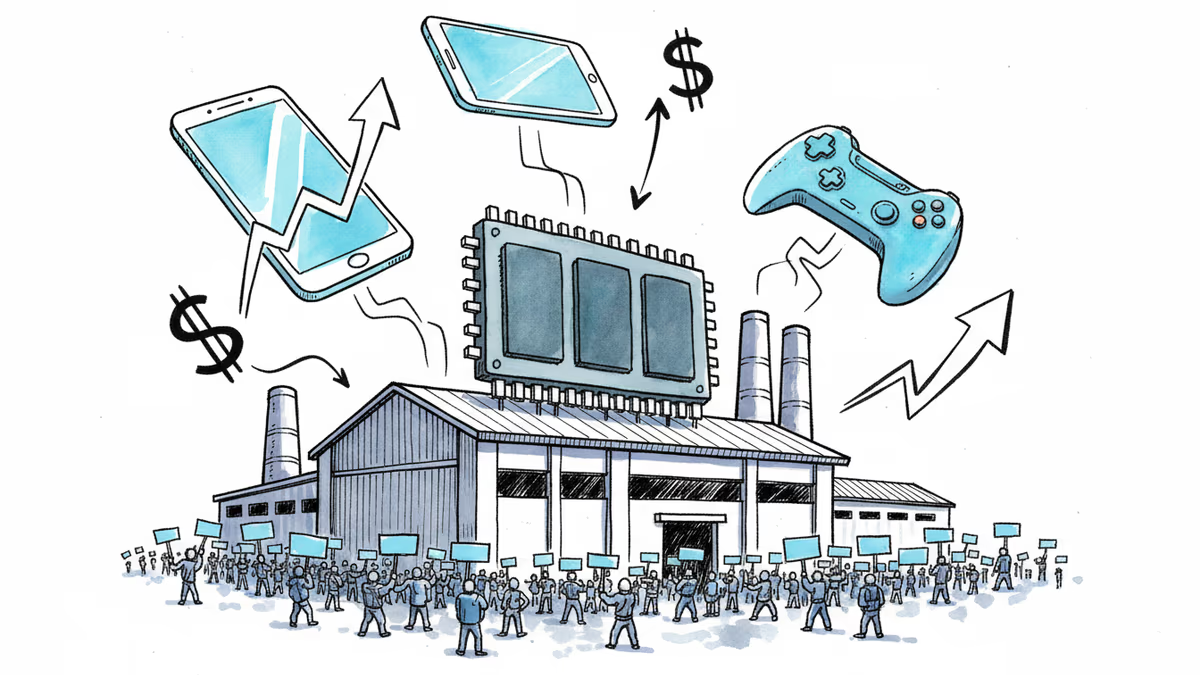
40,000 Samsung union workers rallied at its Pyeongtaek chip plant, threatening an 18-day strike over wages. With AI-driven RAM shortages already lifting consumer prices, the timing couldn't be worse.
Snowflake's new $6 billion AWS contract is about more than cloud spending. It signals a shift in AI infrastructure—away from Nvidia GPUs and toward cheaper, homegrown chips for the agent era.
At Milken 2026, five AI insiders—from the CEO of ASML to a quantum physicist challenging LLMs—laid out the physical, energy, and geopolitical limits the AI boom is running into.
Palantir co-founder Peter Thiel and other Silicon Valley investors have poured $140 million into Panthalassa, a startup building wave-powered floating AI data centers in the open ocean. Here's what that actually means.
40,000 Samsung union workers rallied at its Pyeongtaek chip plant, threatening an 18-day strike over wages. With AI-driven RAM shortages already lifting consumer prices, the timing couldn't be worse.
Thoughts
Share your thoughts on this article
Sign in to join the conversation