
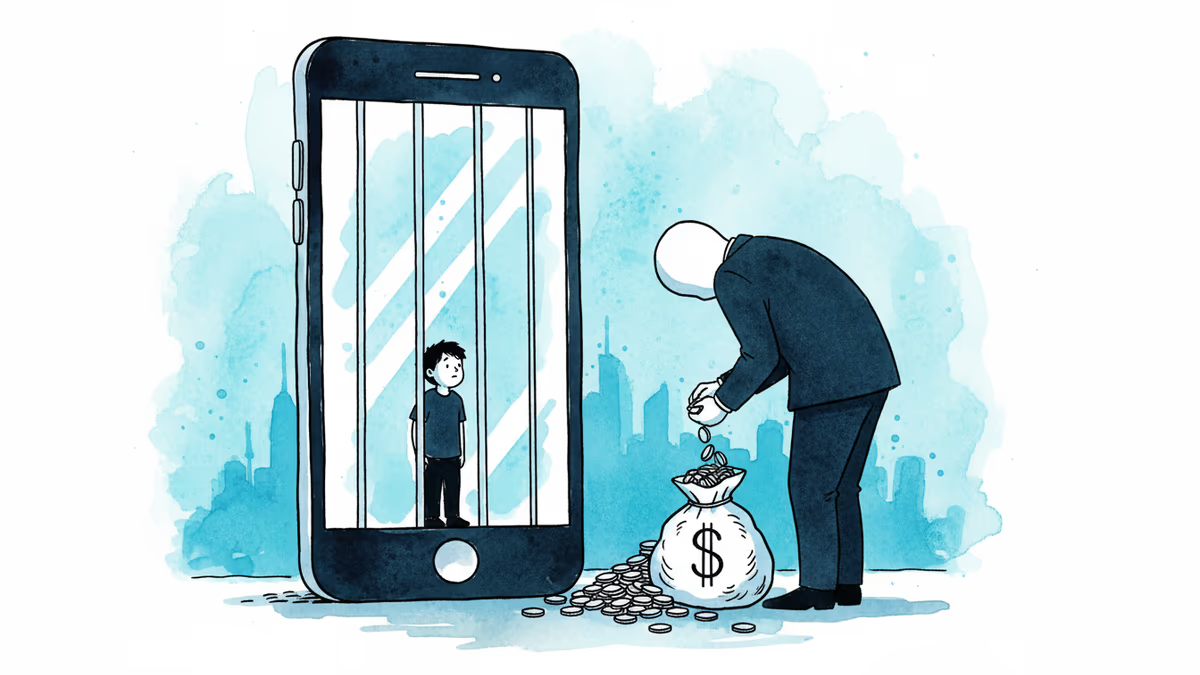
Meta's $375M Verdict: When 'We Didn't Know' Stops Working
A New Mexico jury found Meta willfully violated consumer protection laws, awarding $375M in fines. What this landmark verdict means for Big Tech, parents, and platform accountability.
The jury didn't need long to decide.
Just one day after closing arguments, a New Mexico jury delivered its verdict: Meta willfully violated state law, misled consumers about its products' safety, and engaged in unconscionable trade practices that enabled child predators to reach minors on its platforms. The penalty: $375 million—the maximum $5,000 per violation across 37,500 violations on two counts. The jury ruled against Meta on every single count.
One day. Every count. Maximum per-violation penalty.
What Actually Happened
New Mexico's case against Meta rested on two pillars. First, that the company deceived consumers about how safe its platforms were for children. Second, that it knowingly facilitated—or at minimum, willfully ignored—child predators using Instagram and Facebook to access minors.
The state had sought closer to $2 billion in penalties. The jury landed at roughly one-fifth of that. But the dollar figure may be the least important part of this verdict.
The word that matters is willful.
This wasn't a finding of negligence or oversight. The jury determined that Meta knew, and chose differently. That distinction has enormous legal weight. It sets a precedent that plaintiffs in the hundreds of similar lawsuits currently pending across the United States can now point to directly.

The backstory runs deep. In 2021, whistleblower Frances Haugen released internal documents showing Meta had conducted research demonstrating Instagram's harmful effects on teenage mental health—and largely buried the findings. That disclosure triggered a cascade of state attorney general investigations and lawsuits. New Mexico's verdict is among the first to reach a jury and come back with a full plaintiff's win.
Why This Verdict Lands Differently
Let's be honest about the math first. Meta's 2024 net income was approximately $50 billion. This fine is roughly 0.75% of that. In pure financial terms, it's a rounding error.
So why does this matter?
Because the architecture of accountability is shifting. Under the current federal administration, Washington's appetite for aggressive Big Tech enforcement has cooled. The regulatory vacuum is being filled, state by state. New Mexico, Texas, California, New York—attorneys general across the country are moving where federal regulators have slowed. This verdict is a proof of concept: state consumer protection law can reach what federal frameworks haven't.
For investors, the signal isn't this single fine—it's the replication risk. If this verdict becomes a template, and dozens of states pursue similar claims with similar outcomes, the aggregate liability becomes a different conversation entirely.
Three Ways to Read This
For parents, the verdict validates something many already suspected: the platforms their children use weren't designed with child safety as a primary constraint. They were designed for engagement. When those two goals conflict, the internal documents suggest which one won.
For regulators, the verdict demonstrates that existing consumer protection statutes—not new legislation—can be used to hold platforms accountable for knowing harms. That's a significant tool, and it doesn't require waiting for Congress.
**For Meta and its peers**, the 'we're just a neutral platform' defense is eroding in real time. Once internal research shows a company understood the harm, the legal and reputational math changes. TikTok, Snapchat, and YouTube are watching this closely—each faces its own version of these claims.
Authors
Related Articles
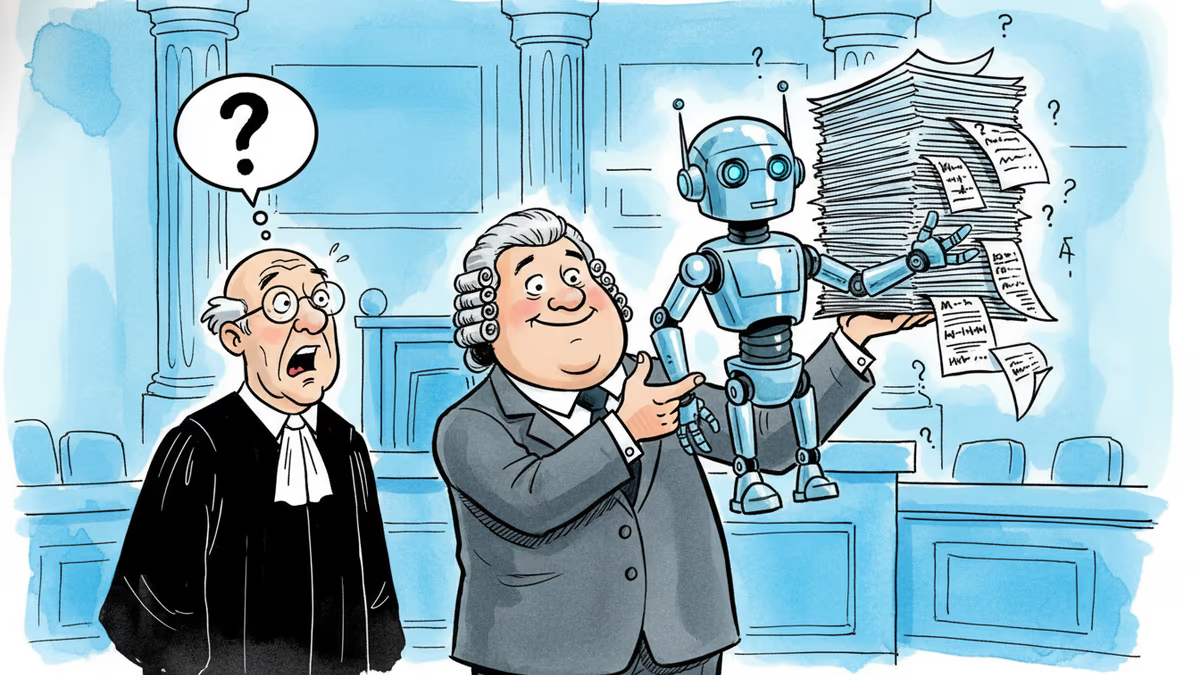
A law firm marketing itself on AI-powered legal success submitted fake citations in a federal appeal. Now its lawyers face sanctions — and the broader AI legal industry faces a credibility crisis.
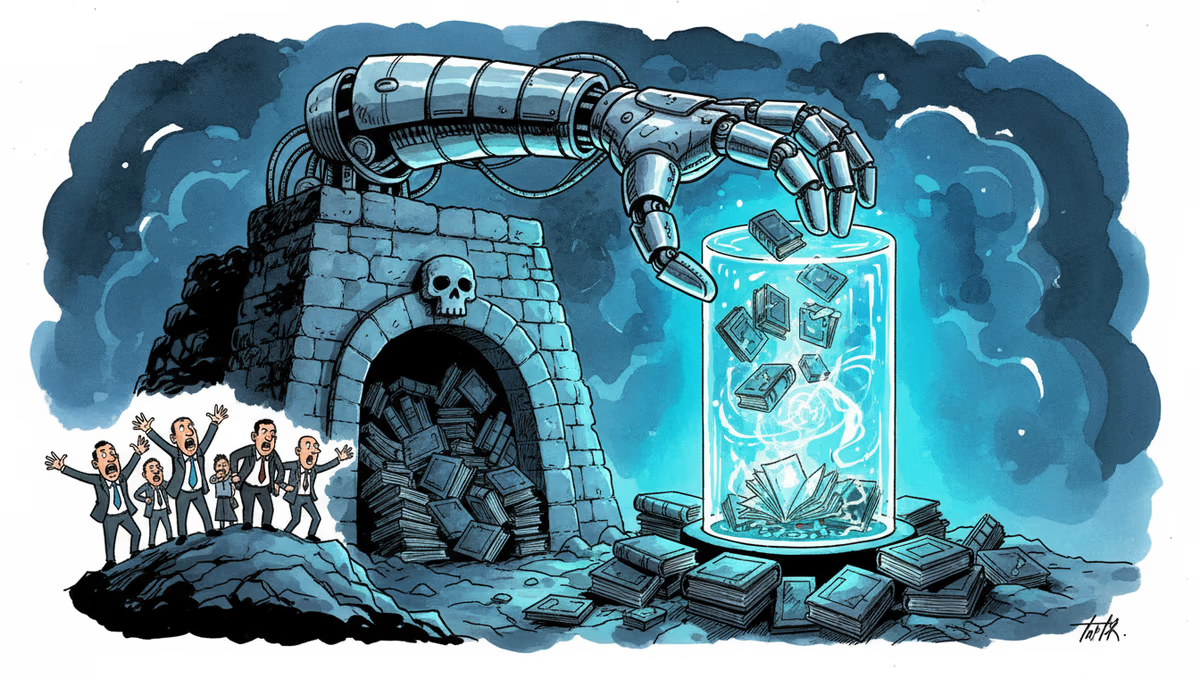
Five major publishers and author Scott Turow have filed a class action lawsuit against Meta, alleging the company used illegal pirate sites like LibGen to train its Llama AI models without permission.
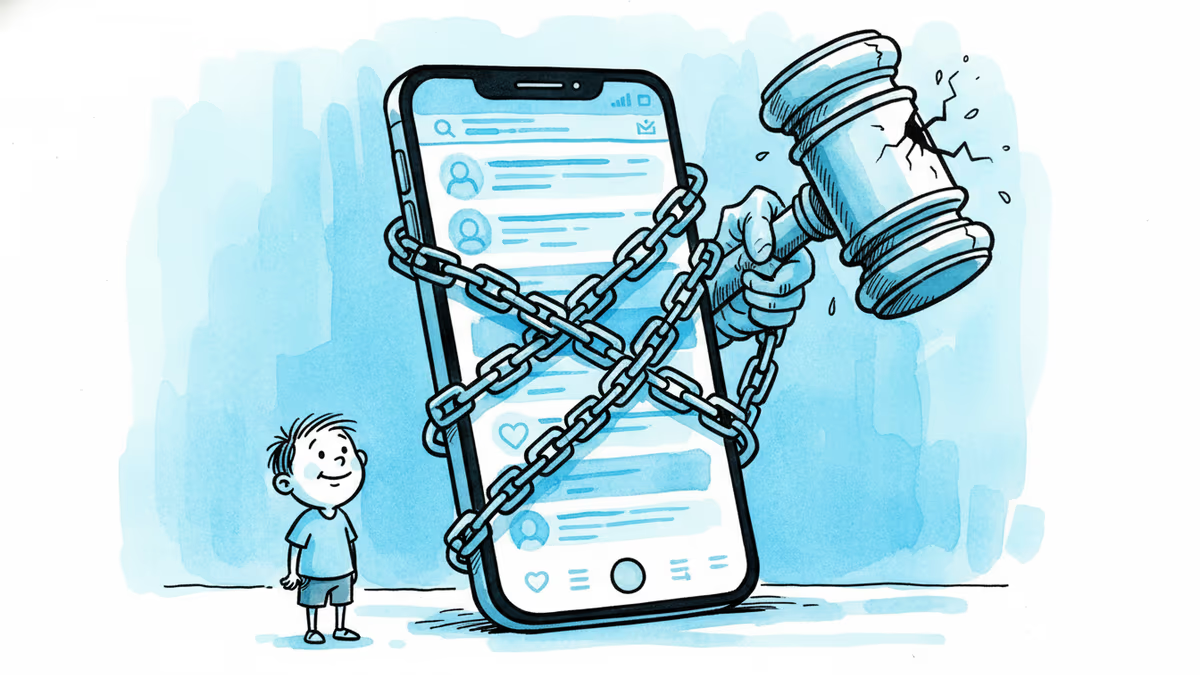
New Mexico already won $375 million from Meta. Now it wants something harder to give: a court order forcing Facebook, Instagram, and WhatsApp to redesign themselves. A three-week trial starts Monday.
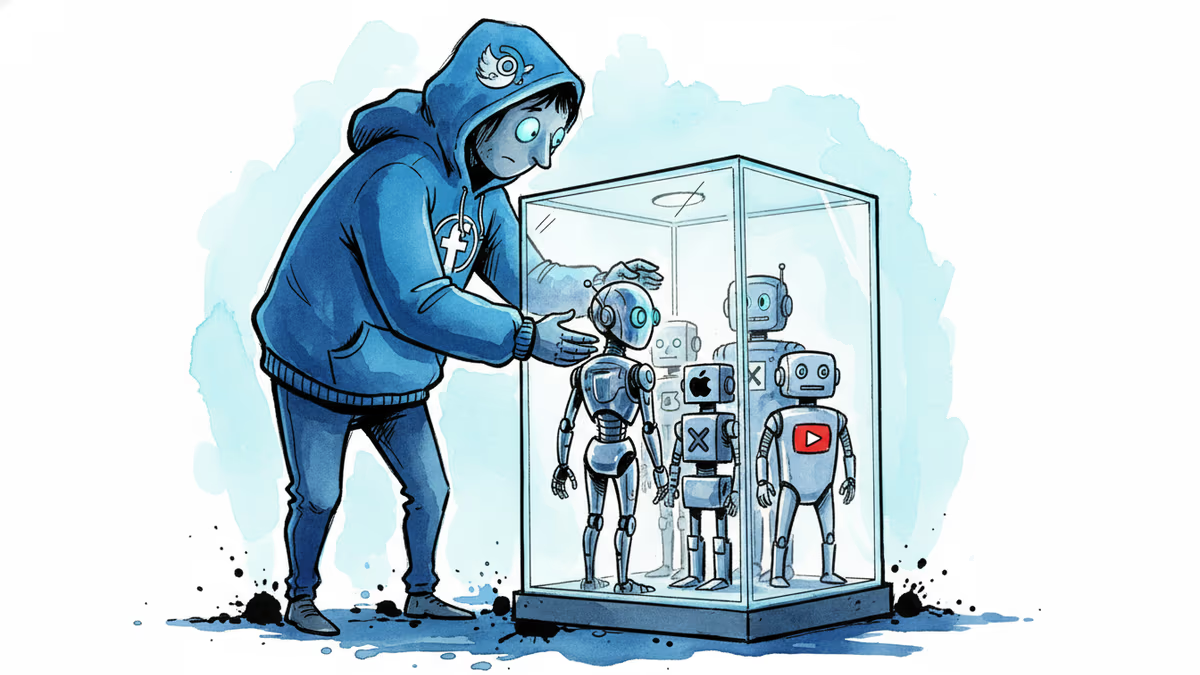
Meta acquired humanoid robotics startup ARI, adding to a Big Tech arms race in physical AI. The real prize isn't a robot product — it's a new way to train intelligence.
A law firm marketing itself on AI-powered legal success submitted fake citations in a federal appeal. Now its lawyers face sanctions — and the broader AI legal industry faces a credibility crisis.
Five major publishers and author Scott Turow have filed a class action lawsuit against Meta, alleging the company used illegal pirate sites like LibGen to train its Llama AI models without permission.
New Mexico already won $375 million from Meta. Now it wants something harder to give: a court order forcing Facebook, Instagram, and WhatsApp to redesign themselves. A three-week trial starts Monday.
Meta acquired humanoid robotics startup ARI, adding to a Big Tech arms race in physical AI. The real prize isn't a robot product — it's a new way to train intelligence.
Thoughts
Share your thoughts on this article
Sign in to join the conversation