

Meta Manus Acquisition Faces China Export Control Deadlock
Meta's $2 billion acquisition of AI agent platform Manus is facing intense scrutiny from Chinese regulators over tech export controls and 'Singapore washing'.
A $2 billion deal is hanging by a thread—and the threat isn't coming from Washington. While U.S. regulators seem increasingly comfortable with Meta's acquisition of AI assistant platform Manus, Beijing has reportedly stepped in with a scrutiny that could derail the entire transaction.
Meta Manus Acquisition and the 'Singapore Washing' Controversy
According to the Financial Times, Chinese officials are reviewing whether the deal violates strict tech export controls. Manus, which recently moved its headquarters from Beijing to Singapore to escape U.S. investment restrictions, is now being accused of bypass maneuvers nicknamed "Singapore washing." The core issue is whether the relocation of its talent and technology required an official export license from the Chinese government.

- The deal was initially hit by U.S. Treasury inquiries due to Benchmark's early investment.
- Manus's move to Singapore was intended as a "step-by-step disentanglement from China."
- Beijing now fears a successful exit will encourage a mass exodus of AI startups.
A New Path or a Legal Trap?
Winston Ma, a professor at NYU, told the Journal that if the deal closes, it creates a "new path" for young Chinese AI firms. However, history suggests Beijing won't stay quiet. Just as they used export controls during the TikTok controversy, authorities might hold the Manus founders criminally liable if they're found to have exported restricted tech without a permit.
Authors
Related Articles
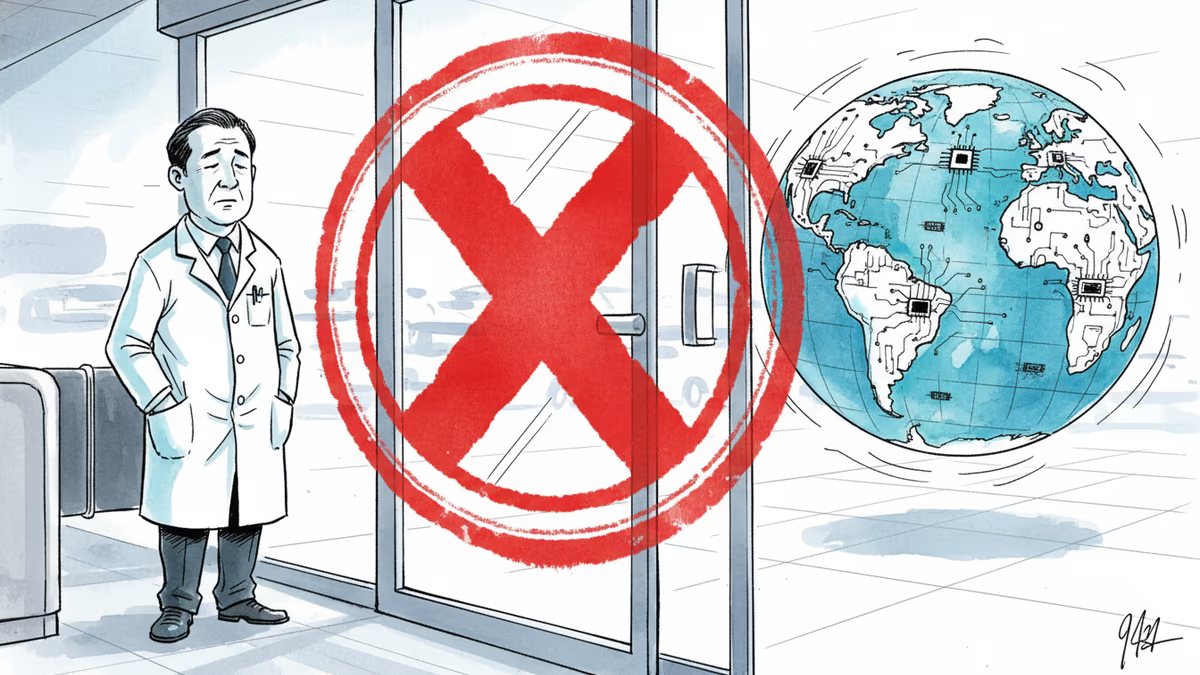
China is restricting AI researchers and startup founders from traveling abroad as the U.S.-China AI performance gap narrows to just 2.7%. What Beijing's talent lockdown means for the global AI race.
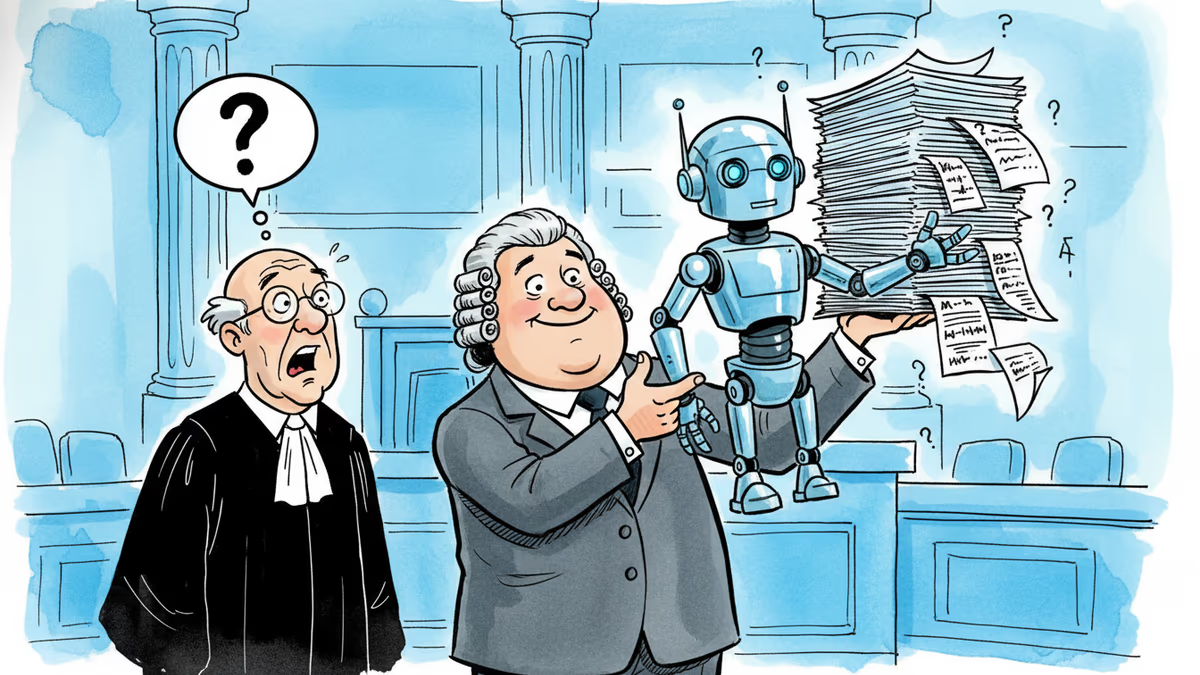
A law firm marketing itself on AI-powered legal success submitted fake citations in a federal appeal. Now its lawyers face sanctions — and the broader AI legal industry faces a credibility crisis.
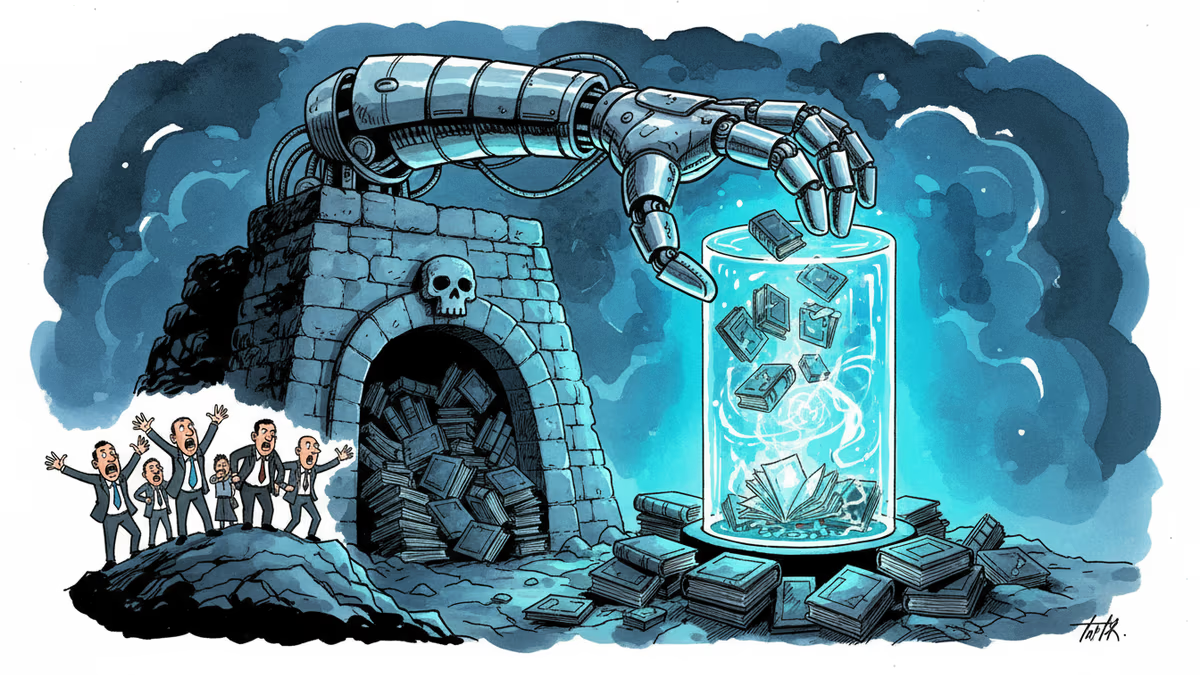
Five major publishers and author Scott Turow have filed a class action lawsuit against Meta, alleging the company used illegal pirate sites like LibGen to train its Llama AI models without permission.
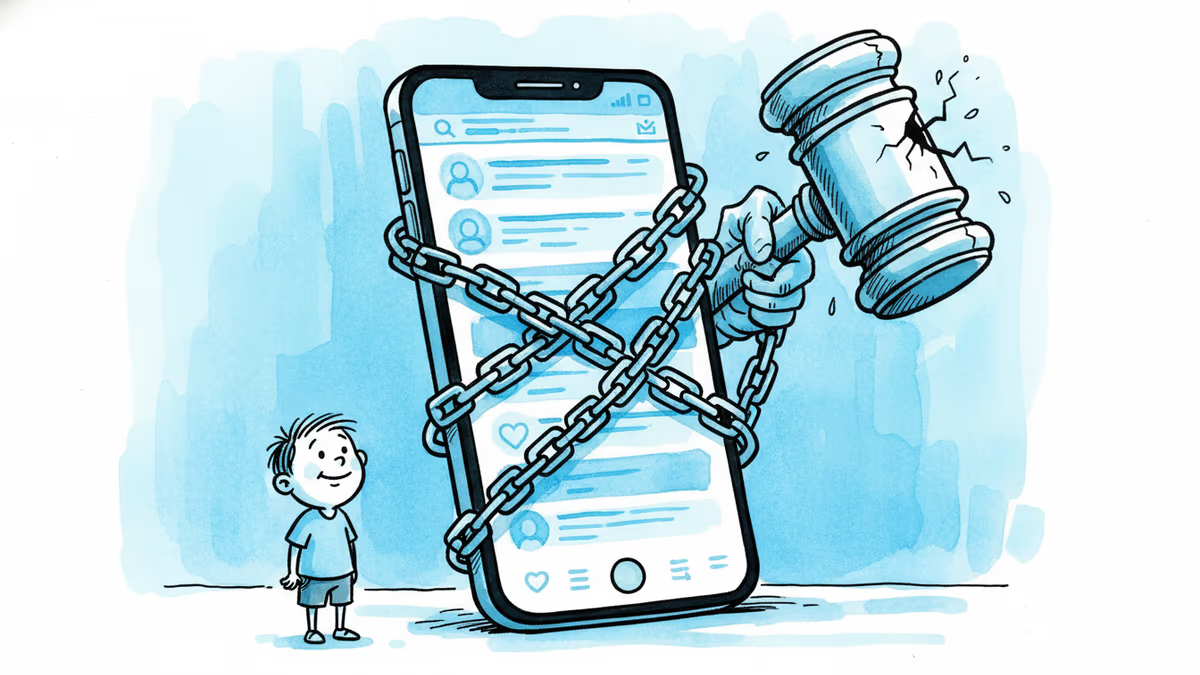
New Mexico already won $375 million from Meta. Now it wants something harder to give: a court order forcing Facebook, Instagram, and WhatsApp to redesign themselves. A three-week trial starts Monday.
China is restricting AI researchers and startup founders from traveling abroad as the U.S.-China AI performance gap narrows to just 2.7%. What Beijing's talent lockdown means for the global AI race.
A law firm marketing itself on AI-powered legal success submitted fake citations in a federal appeal. Now its lawyers face sanctions — and the broader AI legal industry faces a credibility crisis.
Five major publishers and author Scott Turow have filed a class action lawsuit against Meta, alleging the company used illegal pirate sites like LibGen to train its Llama AI models without permission.
New Mexico already won $375 million from Meta. Now it wants something harder to give: a court order forcing Facebook, Instagram, and WhatsApp to redesign themselves. A three-week trial starts Monday.
Thoughts
Share your thoughts on this article
Sign in to join the conversation