
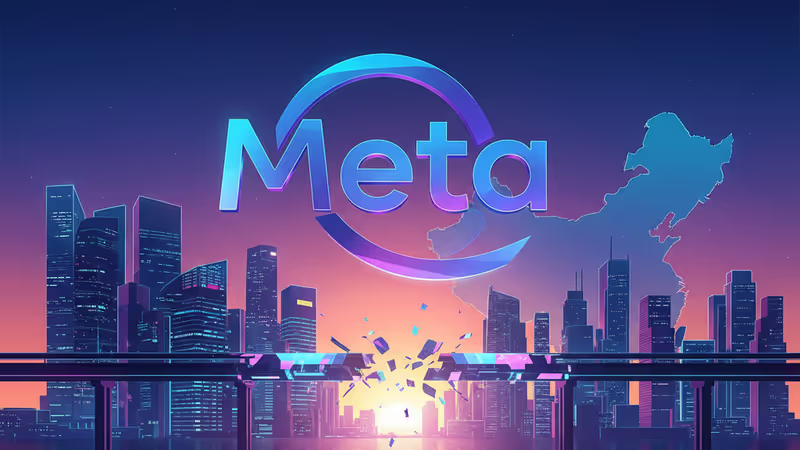
Meta Manus Acquisition 2025: A $3 Billion Strategic Exit from China
Meta acquires AI startup Manus for up to $3 billion in a landmark deal requiring a total exit from China. Explore the Meta Manus acquisition 2025 details and its geopolitical impact.
Meta's checkbook is open, but it comes with a massive geopolitical caveat. Meta is set to acquire AI startup Manus in a deal valued between $2 billion and $3 billion. The catch? The Singapore-based company must completely sever its ties with China. According to reports, this acquisition marks a definitive shift in how Silicon Valley absorbs offshore talent amidst rising trade tensions.
The Meta Manus Acquisition and the Clean Break Policy
Manus isn't just relocating; it's undergoing a total structural overhaul. To pave the way for the Meta deal, the startup has already moved its headquarters to Singapore and laid off the majority of its workforce based in mainland China. Meta has explicitly stated that after the transaction closes on December 30, 2025, the company will have no Chinese ownership or operational presence in the country.

This move highlights the increasing pressure on AI firms to choose sides. Once hailed as China's next AI darling and a potential rival to DeepSeek, Manus chose to shed its original identity to secure a future within the U.S. tech ecosystem. The deal underscores Meta's urgency in bolstering its AI agent capabilities while maintaining strict compliance with U.S. regulatory standards.
Global AI Landscape: M&A vs. Geopolitical Barriers
The Meta Manus deal isn't happening in a vacuum. It follows SoftBank's recent $4 billion acquisition of DigitalBridge, aimed at fortifying AI data centers. Meanwhile, Chinese titans like Zhipu AI and MiniMax are racing toward public listings to stay afloat as the gap between Western and Eastern AI ecosystems widens. For Meta, this is about more than just code; it's about acquiring a 'sanitized' competitive edge.
Authors
Related Articles

China is restricting AI researchers and startup founders from traveling abroad as the U.S.-China AI performance gap narrows to just 2.7%. What Beijing's talent lockdown means for the global AI race.
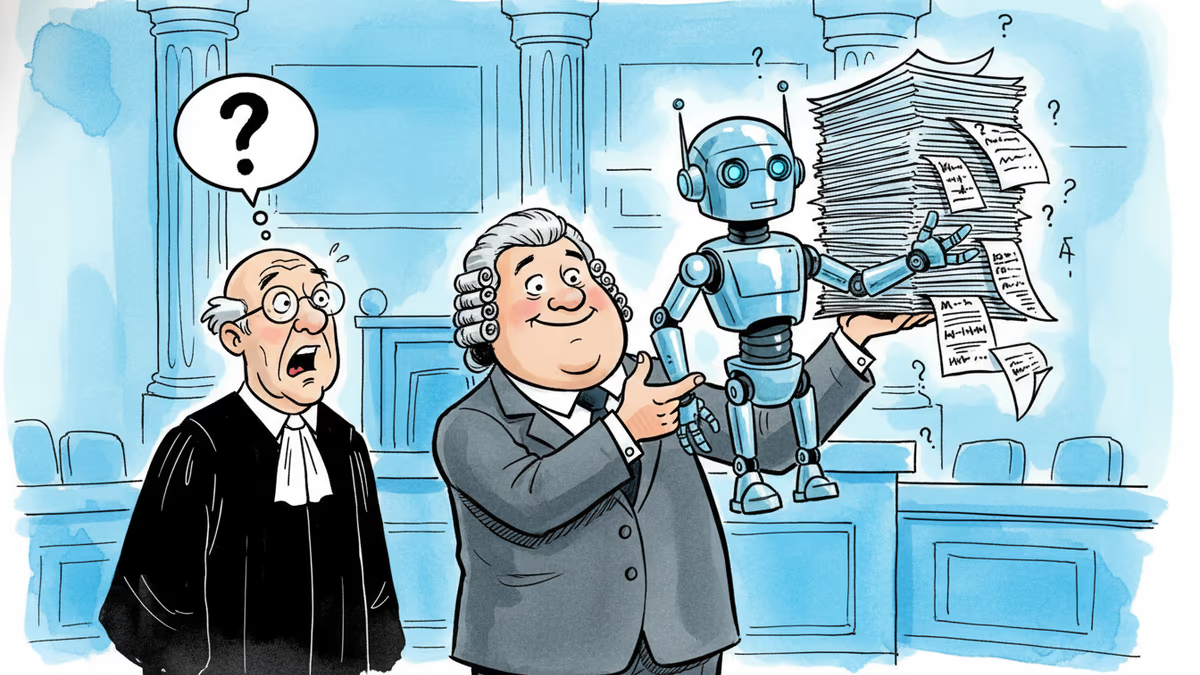
A law firm marketing itself on AI-powered legal success submitted fake citations in a federal appeal. Now its lawyers face sanctions — and the broader AI legal industry faces a credibility crisis.
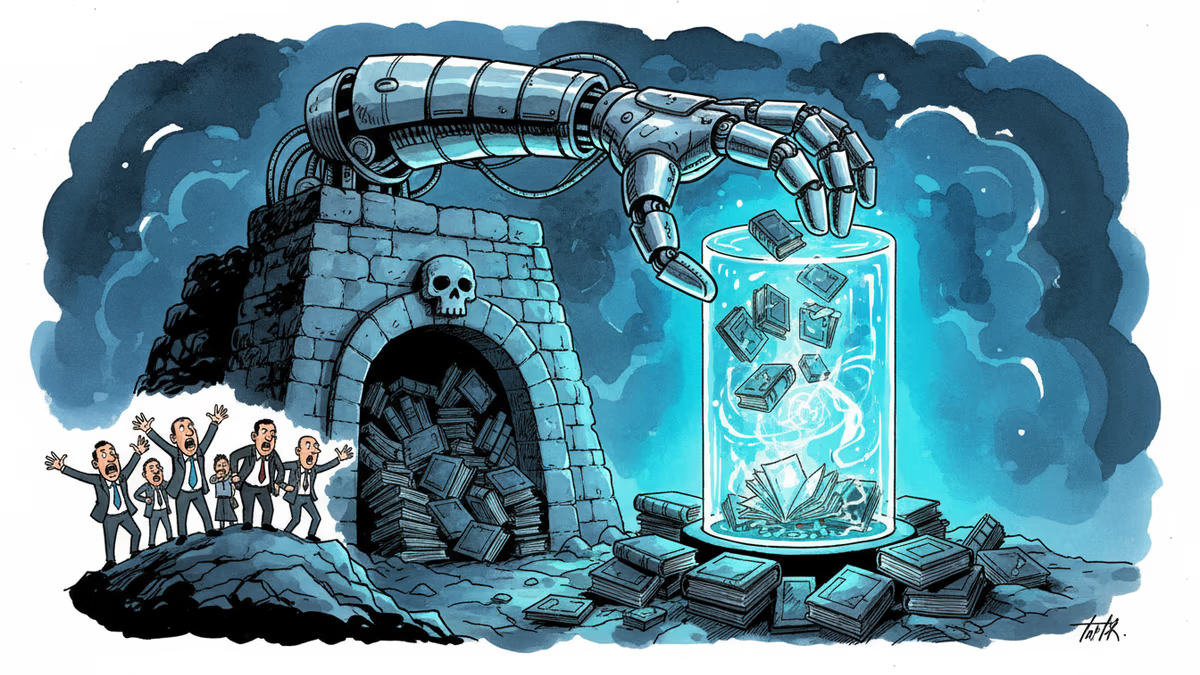
Five major publishers and author Scott Turow have filed a class action lawsuit against Meta, alleging the company used illegal pirate sites like LibGen to train its Llama AI models without permission.
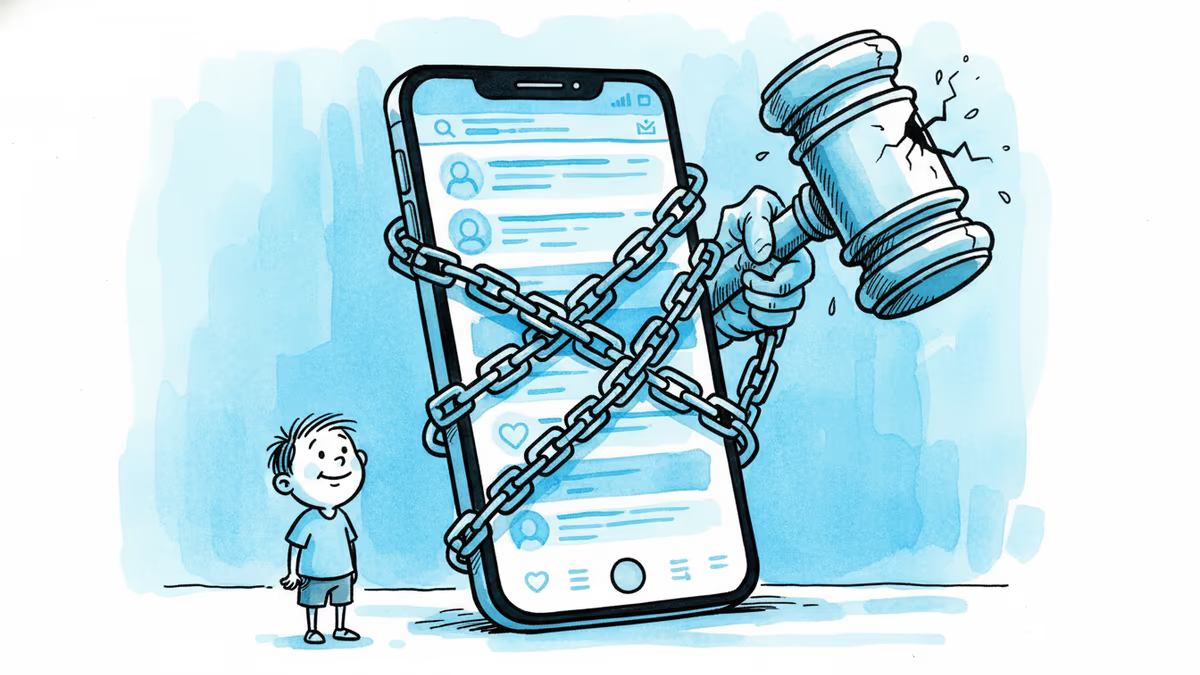
New Mexico already won $375 million from Meta. Now it wants something harder to give: a court order forcing Facebook, Instagram, and WhatsApp to redesign themselves. A three-week trial starts Monday.
China is restricting AI researchers and startup founders from traveling abroad as the U.S.-China AI performance gap narrows to just 2.7%. What Beijing's talent lockdown means for the global AI race.
A law firm marketing itself on AI-powered legal success submitted fake citations in a federal appeal. Now its lawyers face sanctions — and the broader AI legal industry faces a credibility crisis.
Five major publishers and author Scott Turow have filed a class action lawsuit against Meta, alleging the company used illegal pirate sites like LibGen to train its Llama AI models without permission.
New Mexico already won $375 million from Meta. Now it wants something harder to give: a court order forcing Facebook, Instagram, and WhatsApp to redesign themselves. A three-week trial starts Monday.
Thoughts
Share your thoughts on this article
Sign in to join the conversation