

Meta Reality Labs Layoffs: AI Pivot Leaves Supernatural VR Fans in the Dust
Meta laid off over 1,000 staff in its Reality Labs division, halting updates for the hit VR fitness app Supernatural to prioritize AI development.
The dream of the metaverse is hitting a cold, hard wall. According to Bloomberg, Meta has laid off more than 1,000 employees across its Reality Labs division this week. The most painful casualty of this shift is the premier VR fitness platform Supernatural, which will no longer receive updates, effectively freezing the service in time.
The AI Pivot: Meta Reality Labs Layoffs Hit Home
Meta's decision to gut its VR talent isn't just a cost-cutting measure; it's a strategic realignment toward Artificial Intelligence. Resources are being funneled into the Meta AI platform and the development of next-gen smart glasses under the Ray-Ban and Oakley brands. Along with the team at Supernatural, Meta shuttered three internal VR studios, including those behind major titles like Resident Evil 4 VR.

A $100 Ghost Town: The Future of Supernatural VR
Since its release in 2020, Supernatural built a fiercely loyal following. Users credit the app with life-changing health improvements and social connections via the 'Together' mode launched in September 2024. Now, those users are being told that while their $100 annual subscription price won't drop, no new songs or workout lessons will be added.
Meta acquired Supernatural in 2022 after a protracted legal battle with the FTC. For many 'athletes'—as the users call themselves—the move feels heartless. They argue that while the library of 3,000 lessons is vast, the lack of fresh content makes the subscription a hard pill to swallow.
Authors
Related Articles

SpaceX's IPO filing puts AI at the center, claiming a $26.5 trillion market opportunity. But can Grok compete with OpenAI and Anthropic for enterprise customers?
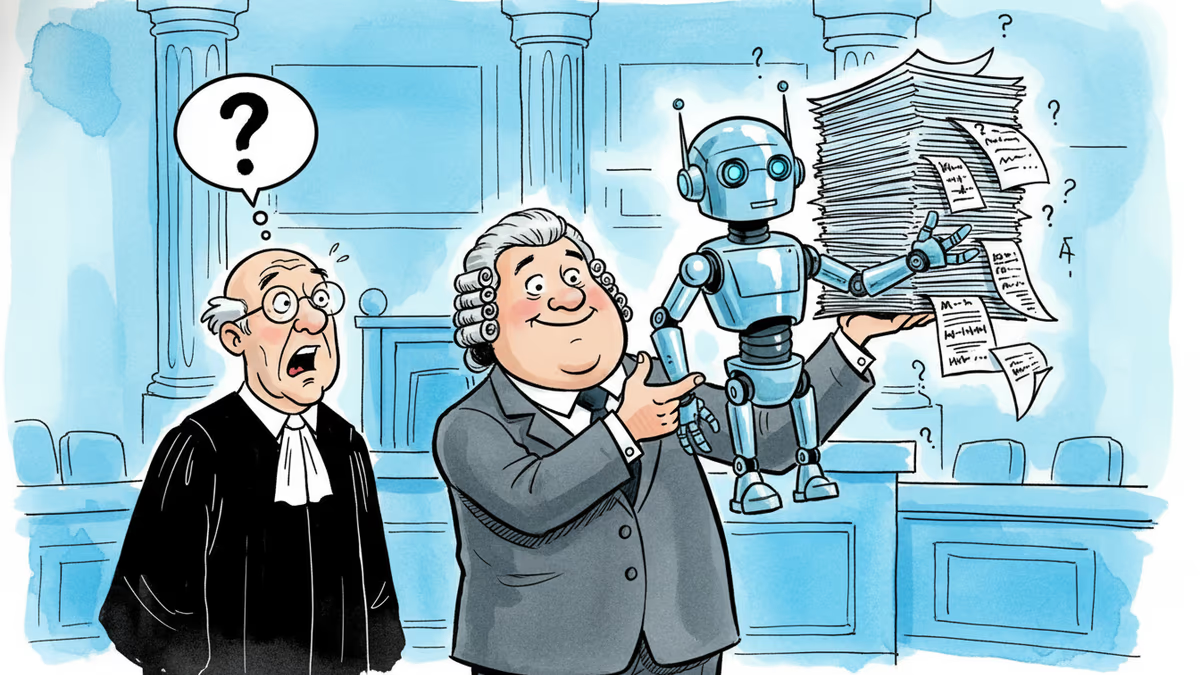
A law firm marketing itself on AI-powered legal success submitted fake citations in a federal appeal. Now its lawyers face sanctions — and the broader AI legal industry faces a credibility crisis.

AI is everywhere now—but is it helping or hurting? MIT Technology Review diagnoses a new mood: not excitement, not panic, just a creeping, uncomfortable uncertainty.
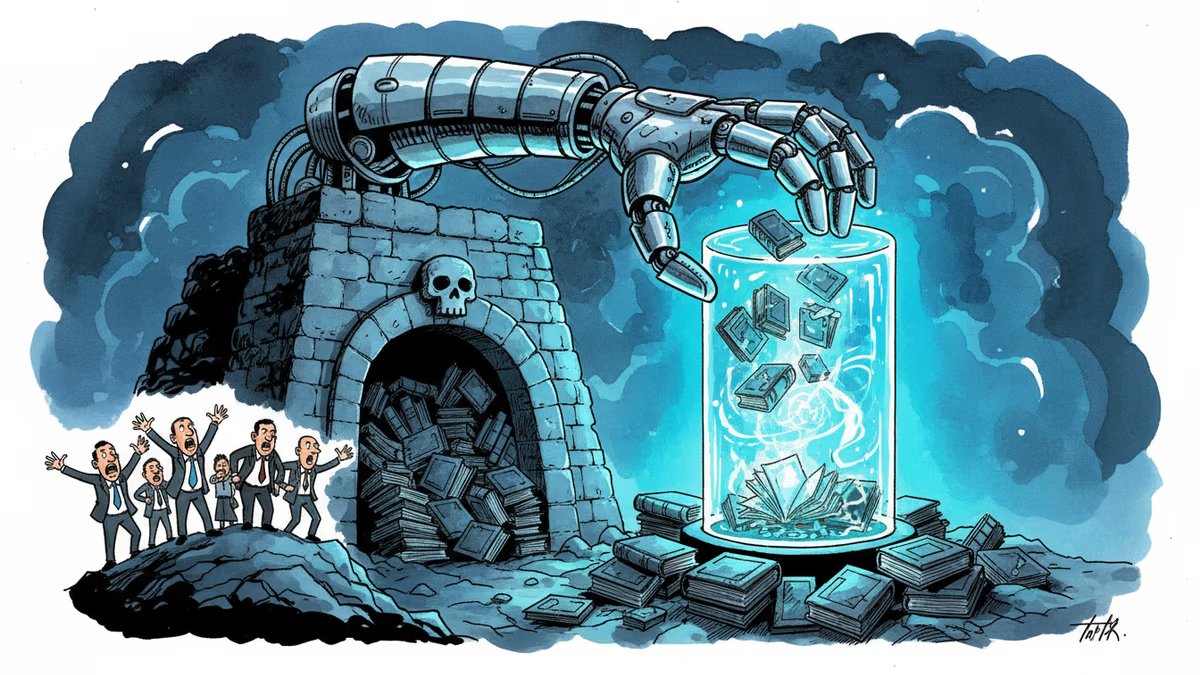
Five major publishers and author Scott Turow have filed a class action lawsuit against Meta, alleging the company used illegal pirate sites like LibGen to train its Llama AI models without permission.
SpaceX's IPO filing puts AI at the center, claiming a $26.5 trillion market opportunity. But can Grok compete with OpenAI and Anthropic for enterprise customers?
A law firm marketing itself on AI-powered legal success submitted fake citations in a federal appeal. Now its lawyers face sanctions — and the broader AI legal industry faces a credibility crisis.
AI is everywhere now—but is it helping or hurting? MIT Technology Review diagnoses a new mood: not excitement, not panic, just a creeping, uncomfortable uncertainty.
Five major publishers and author Scott Turow have filed a class action lawsuit against Meta, alleging the company used illegal pirate sites like LibGen to train its Llama AI models without permission.
Thoughts
Share your thoughts on this article
Sign in to join the conversation