
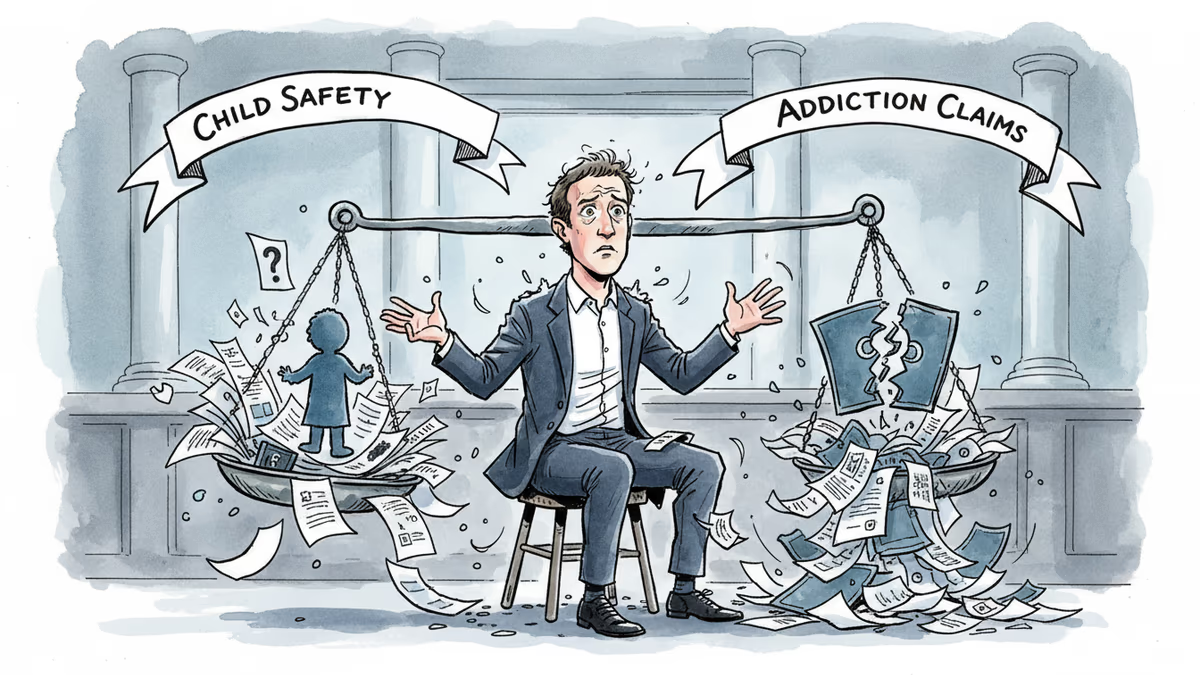
Meta's Nightmare Week: Two Courtrooms, One Reckoning
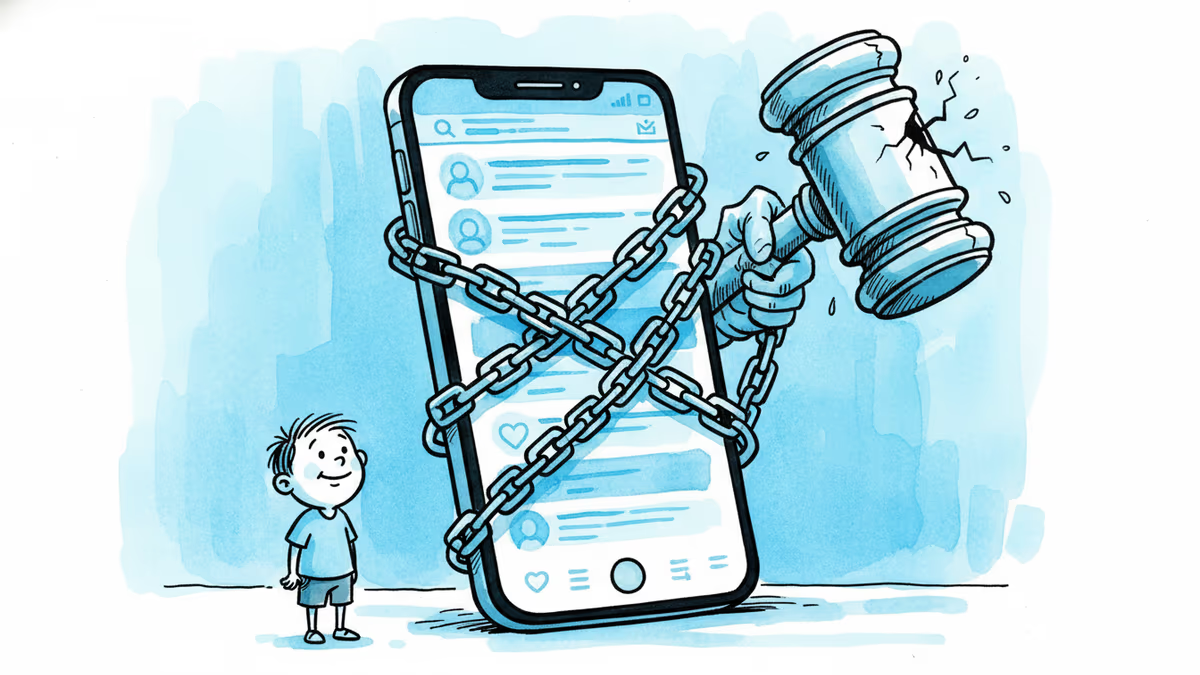
Meta faces simultaneous trials for child exploitation and social media addiction. Could this be the turning point for Big Tech accountability?
$5 Billion Fine vs $10 Billion Damages: Meta's Impossible Choice
Mark Zuckerberg is living through what one industry watchdog called "the split screen of his nightmares." This week, Meta faces not one but two landmark trials that could fundamentally reshape how social media platforms operate.
In New Mexico, the state alleges Meta failed to protect minors from sexual exploitation. In California, hundreds of families claim the company deliberately designed addictive features that harmed children. It's the first time a major tech platform faces simultaneous legal challenges over child safety—and the outcomes could rewrite the rules for an industry that's operated with minimal oversight for over 20 years.
New Mexico's Bombshell: "Meta Used Children as Bait"
New Mexico Attorney General Raúl Torrez isn't pulling punches. His complaint alleges that Meta proactively served explicit content to underage users and enabled adults to exploit children on the platform. The most damning claim: when investigators posed as a mother offering her underage daughter to sex traffickers, Meta's systems failed to intervene.
Meta's response reveals how seriously it's taking this threat. The company filed over 40 motions to exclude evidence—an unusually high number that suggests deep concern about what might emerge in court. Meta asked to ban mentions of Zuckerberg's Harvard days, the company's wealth, and even the former Surgeon General's reports on social media's mental health impacts.
Some requests were granted (the word "whistleblower" is banned from the courtroom), but others were denied. The judge will allow discussions of AI chatbots, mental health harms, and third-party surveys—exactly the kind of evidence that could prove most damaging to Meta's defense.
California's Class Action: "Addiction by Design"
Meanwhile, in California, Meta faces the nation's first legal test of social media addiction claims. This isn't just one lawsuit—it's a coordinated proceeding combining hundreds of civil suits against Meta, Snap, TikTok, and Google.
Snap and TikTok have already settled, leaving Meta to fight alone. The core question: Did these platforms deliberately design addictive features that harmed minors? Infinite scroll, like notifications, recommendation algorithms—were these convenience features or "digital tobacco" designed to trigger dopamine addiction?
The stakes are enormous. Unlike New Mexico's state-led case, this involves potential damages that could reach tens of billions of dollars.
Meta's Defense: The Section 230 Shield

Meta's strategy centers on Section 230 of the 1996 Communications Decency Act, which protects online platforms from liability for third-party content. "We're a neutral platform, not a content creator," Meta will likely argue.
But this case is different. Prosecutors aren't just claiming Meta failed to remove bad content—they're arguing the platform's algorithms and design features actively created harmful conditions. That distinction could pierce Section 230's protective shield.
Mary Graw Leary, a criminal law scholar at Catholic University, notes that Meta's extensive pre-trial motions suggest the company views this as more than just a "cost of doing business." The potential financial exposure is simply too large to ignore.
The Algorithm Question: Neutral Tool or Designed Weapon?
At the heart of both trials lies a fundamental question about technology and responsibility. Are algorithms neutral tools that simply organize information, or are they designed products with specific intentions?
Meta will argue its algorithms are neutral technologies that improve user experience. Prosecutors counter that these systems are deliberately designed to maximize engagement, regardless of the psychological cost to users—especially vulnerable minors.
This distinction matters enormously for the future of tech regulation. If algorithms are considered "designed products" rather than "neutral platforms," the entire foundation of Section 230 protection could crumble.
Global Implications: The Domino Effect
The outcomes of these trials will reverberate far beyond U.S. borders. European regulators are already implementing stricter rules under the Digital Services Act. A Meta loss could accelerate similar legislation worldwide.
For parents, the trials represent something more personal: validation that their concerns about social media's impact on children aren't just moral panic but legitimate public health issues deserving legal protection.
For investors, the financial implications are staggering. New Mexico seeks up to $5,000 per violation of its Unfair Practices Act—potentially hundreds of millions in fines. The California class action could result in damages exceeding $10 billion.
The Broader Reckoning
These trials arrive at a crucial moment for Big Tech. Public trust in social media platforms has plummeted, bipartisan political pressure is mounting, and a generation of parents is demanding accountability for their children's digital experiences.
Meta spokesperson Andy Stone has gone on the offensive, claiming New Mexico's investigation "knowingly put real children at risk" and accusing Attorney General Torrez of using the case for political fundraising. But such attacks may backfire if they're seen as deflecting from the core safety issues.
The company's legal strategy appears designed to compartmentalize the damage—fight hard in court while implementing incremental safety improvements to show good faith. But if both trials result in significant losses, Meta may face a fundamental choice: accept comprehensive oversight or risk existential regulatory intervention.
Authors
Related Articles
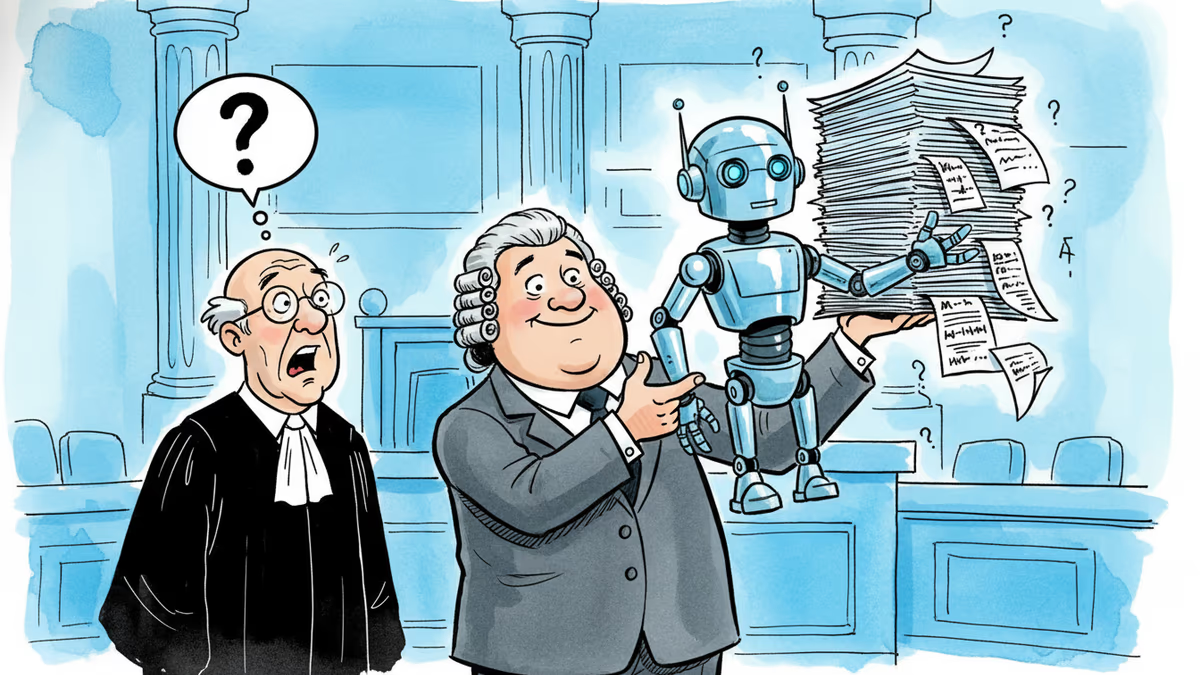
A law firm marketing itself on AI-powered legal success submitted fake citations in a federal appeal. Now its lawyers face sanctions — and the broader AI legal industry faces a credibility crisis.
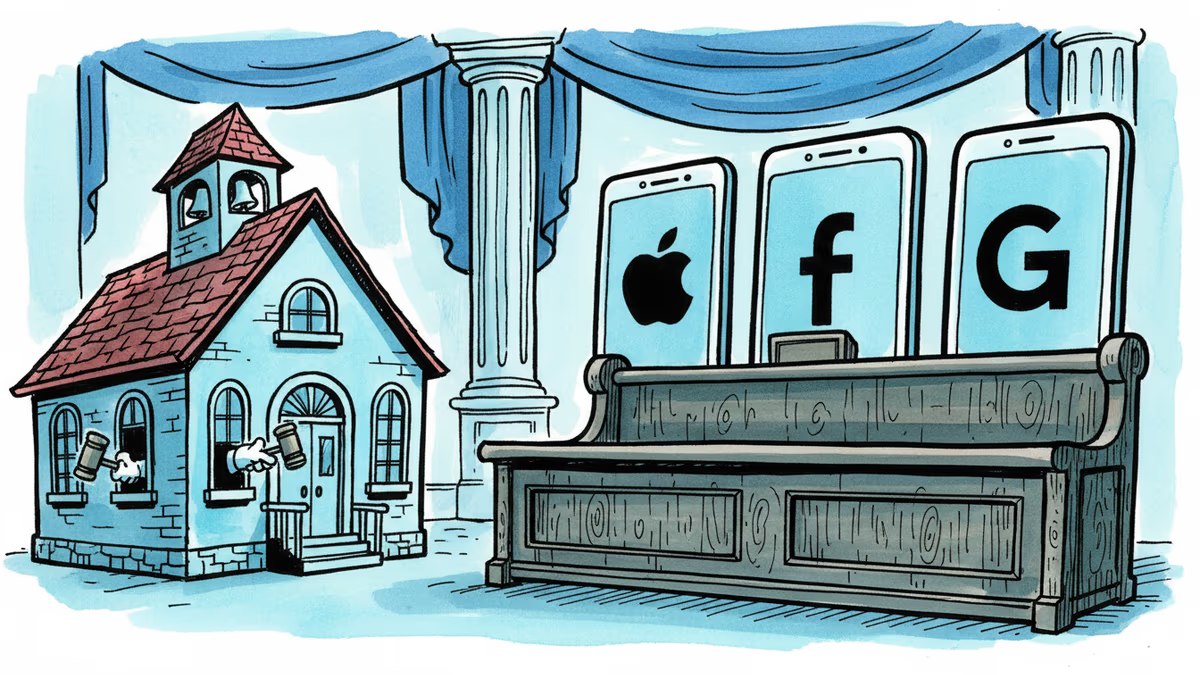
Snap, YouTube, and TikTok settled a landmark school district lawsuit over social media addiction. With 1,000+ similar cases pending, this could reshape Big Tech's liability landscape.
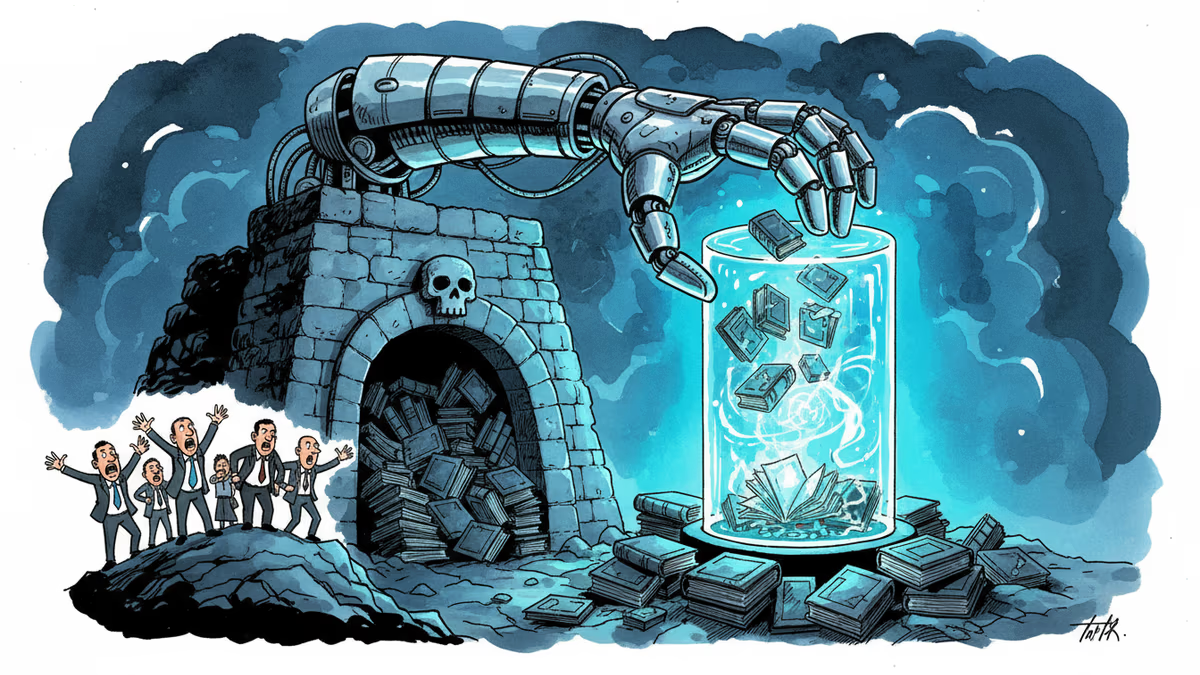
Five major publishers and author Scott Turow have filed a class action lawsuit against Meta, alleging the company used illegal pirate sites like LibGen to train its Llama AI models without permission.
New Mexico already won $375 million from Meta. Now it wants something harder to give: a court order forcing Facebook, Instagram, and WhatsApp to redesign themselves. A three-week trial starts Monday.
A law firm marketing itself on AI-powered legal success submitted fake citations in a federal appeal. Now its lawyers face sanctions — and the broader AI legal industry faces a credibility crisis.
Snap, YouTube, and TikTok settled a landmark school district lawsuit over social media addiction. With 1,000+ similar cases pending, this could reshape Big Tech's liability landscape.
Five major publishers and author Scott Turow have filed a class action lawsuit against Meta, alleging the company used illegal pirate sites like LibGen to train its Llama AI models without permission.
New Mexico already won $375 million from Meta. Now it wants something harder to give: a court order forcing Facebook, Instagram, and WhatsApp to redesign themselves. A three-week trial starts Monday.
Thoughts
Share your thoughts on this article
Sign in to join the conversation