
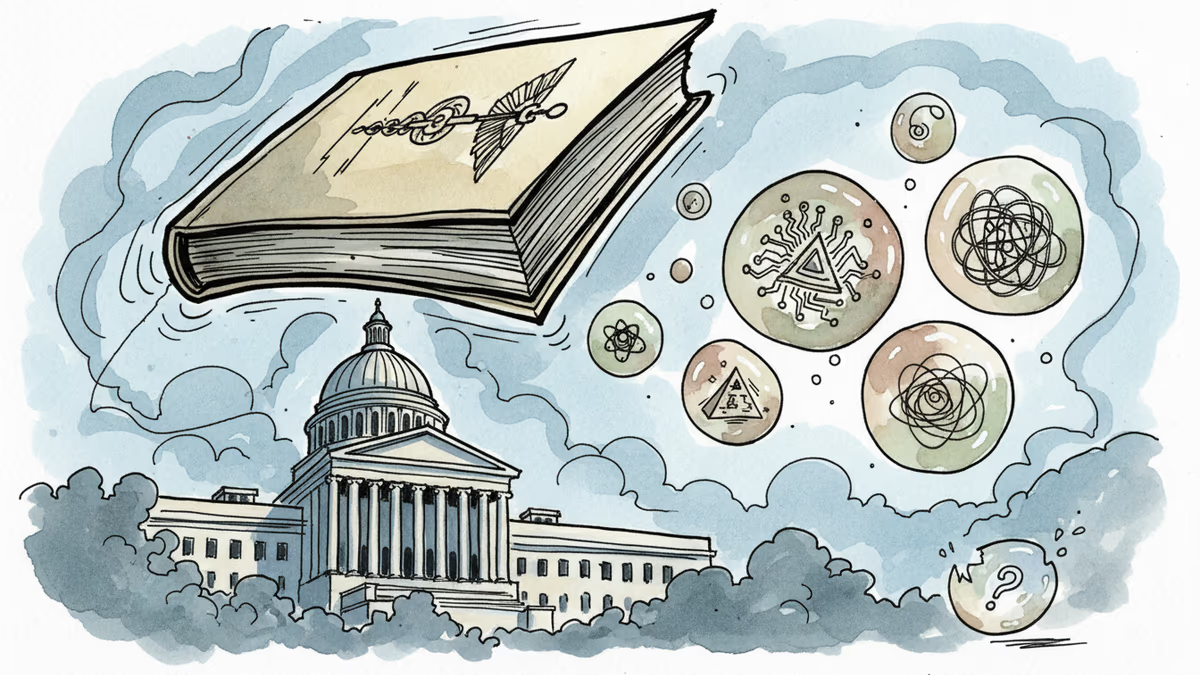
When The Lancet Calls Out a Health Secretary
The prestigious medical journal The Lancet delivered a scathing critique of RFK Jr.'s first year as US Health Secretary, highlighting concerns over vaccine misinformation and politicized health policy.
When Medical Giants Throw Punches
It's not every day that The Lancet—one of the world's most prestigious medical journals—calls out a sitting cabinet member by name. But that's exactly what happened when the 200-year-old publication labeled Robert F. Kennedy Jr.'s first year as US Health Secretary "a failure by most measures, especially his own."
The editorial didn't mince words. Kennedy, a prominent vaccine skeptic, was accused of "spreading misinformation" and "politicizing health policy at the expense of vulnerable Americans, including children." Coming from a journal that publishes cutting-edge medical research, this wasn't just criticism—it was a professional rebuke.
The Irony Runs Deep
Here's where it gets complicated: The Lancet itself has a checkered past with vaccine misinformation. In 1998, it published Andrew Wakefield's fraudulent study linking vaccines to autism—the very research that Kennedy continues to champion today. The journal retracted the study 12 years later, but the damage was done.

Now, The Lancet finds itself in the peculiar position of criticizing someone who still promotes the discredited research it once legitimized. It's scientific accountability meeting political reality, with public health caught in the crossfire.
The Stakes Beyond Politics
This isn't just about one controversial figure. Kennedy's policies could reshape America's approach to vaccines, drug approvals, and public health messaging. For pharmaceutical companies, biotech investors, and healthcare providers, the implications are massive.
Consider the ripple effects: If vaccine recommendations change, what happens to companies like Moderna or Pfizer? If clinical trial standards shift, how will that affect drug development timelines? The $500 billion US pharmaceutical market is watching nervously.
Authors
Related Articles
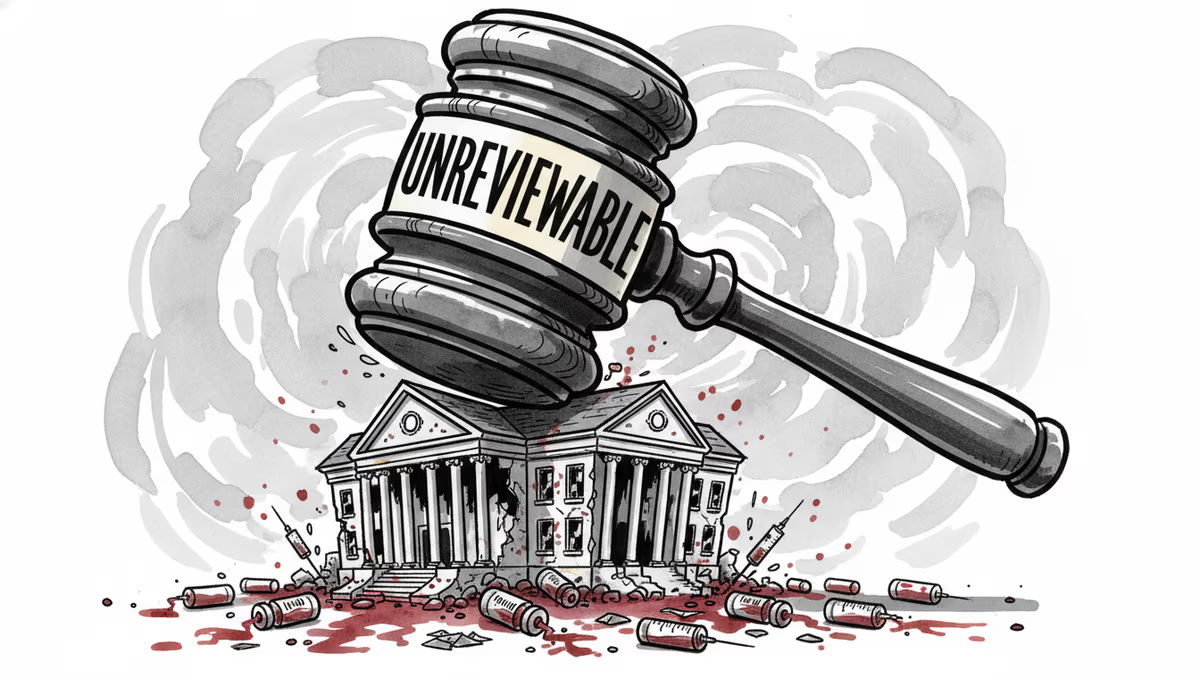
Trump admin lawyer claims RFK Jr.'s vaccine authority is beyond judicial review, even if he tells Americans to ditch vaccines entirely. Medical groups fight back.
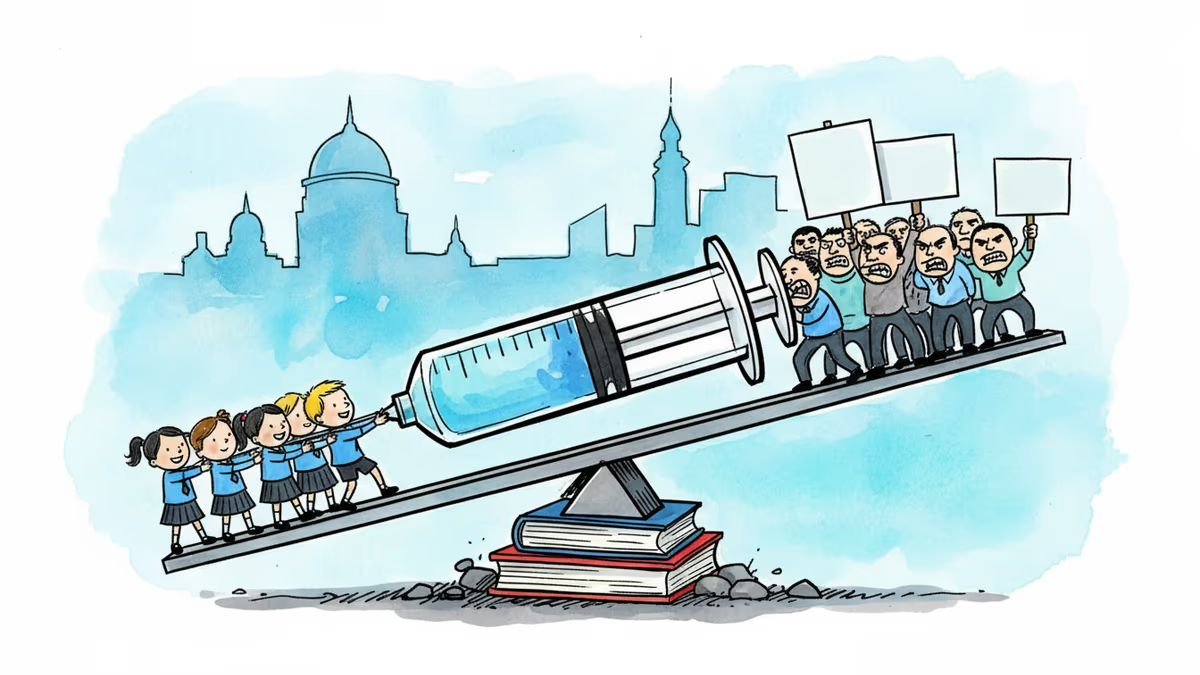
RFK Jr.'s nomination as HHS Secretary sparks unprecedented legal challenge from 15 states over childhood vaccination policies. What this means for public health and global disease prevention.

Deputy Health Secretary Jim O'Neill's controversial vaccine policy changes and longevity research investments spark debate across public health communities.
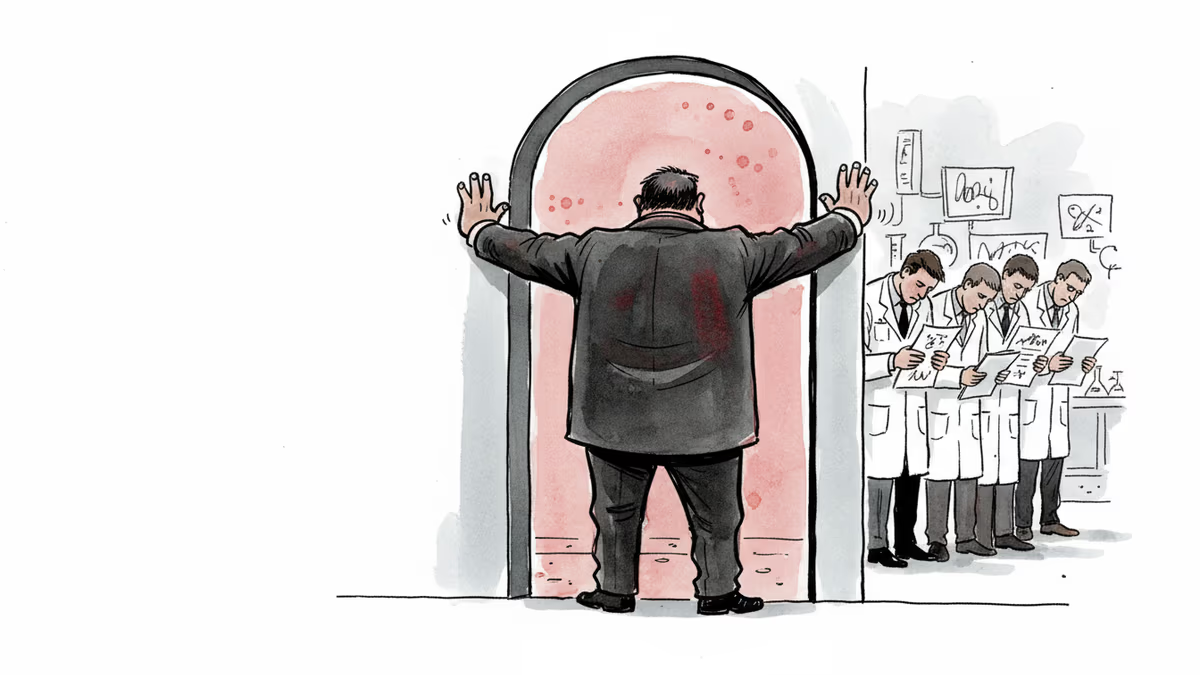
Trump's top vaccine regulator at FDA single-handedly blocked Moderna's mRNA flu vaccine review despite strong internal opposition from career scientists.
Trump admin lawyer claims RFK Jr.'s vaccine authority is beyond judicial review, even if he tells Americans to ditch vaccines entirely. Medical groups fight back.
RFK Jr.'s nomination as HHS Secretary sparks unprecedented legal challenge from 15 states over childhood vaccination policies. What this means for public health and global disease prevention.
Deputy Health Secretary Jim O'Neill's controversial vaccine policy changes and longevity research investments spark debate across public health communities.
Trump's top vaccine regulator at FDA single-handedly blocked Moderna's mRNA flu vaccine review despite strong internal opposition from career scientists.
Thoughts
Share your thoughts on this article
Sign in to join the conversation