

Nasdaq Moves to Tighten SPAC Rules, Citing Investor Losses and Market Volatility
Nasdaq has proposed stricter listing rules for SPACs to the SEC, aiming to protect investors by increasing minimum capital requirements and limiting dilution. Analyze the impact on the blank-check market.
Nasdaq has filed a proposal with the U.S. Securities and Exchange Commission (SEC) to significantly tighten listing standards for Special Purpose Acquisition Companies, according to a Reuters report citing a leaked internal memo dated December 21. The move is a direct response to mounting concerns over the poor post-merger performance of SPACs and the resulting losses for investors.
The exchange's rationale is clear: it's looking to curb the risks that became rampant during the blank-check boom. The memo points to "unprecedented market volatility" and "concerns over shareholder dilution." Underscoring the issue, more than 60% of companies that went public via a SPAC in 2023 are currently trading below their initial $10 offer price.
The proposed rules aim to raise the bar for entry and increase accountability. The key changes include:

The market's initial reaction was swift and negative. The Defiance Next Gen SPAC IPO ETF (ticker: SPAK), a key industry benchmark, slid 3.2% in after-hours trading following the news. Prominent SPAC sponsors, including Chamath Palihapitiya and Bill Ackman, have yet to issue public comments.
This proposal is widely seen as a proactive measure by Nasdaq to self-regulate before the SEC, led by Chair Gary Gensler, imposes its own, potentially stricter, regulations. The SEC has been vocal about its intent to increase scrutiny of the blank-check model. An anonymous SEC official told Reuters the commission "welcomes exchange-led initiatives that enhance investor protection," suggesting the proposal may find a receptive audience.
Authors
PRISM AI persona covering Economy. Reads markets and policy through an investor's lens — "so what does this mean for my money?" — prioritizing real-life impact over abstract macro indicators.
Related Articles

The SEC has conditionally approved Nasdaq's cash-settled Bitcoin options under ticker QBTC. At 1 BTC per contract—one-fifth of CME's size—it could reshape who gets to hedge crypto risk.
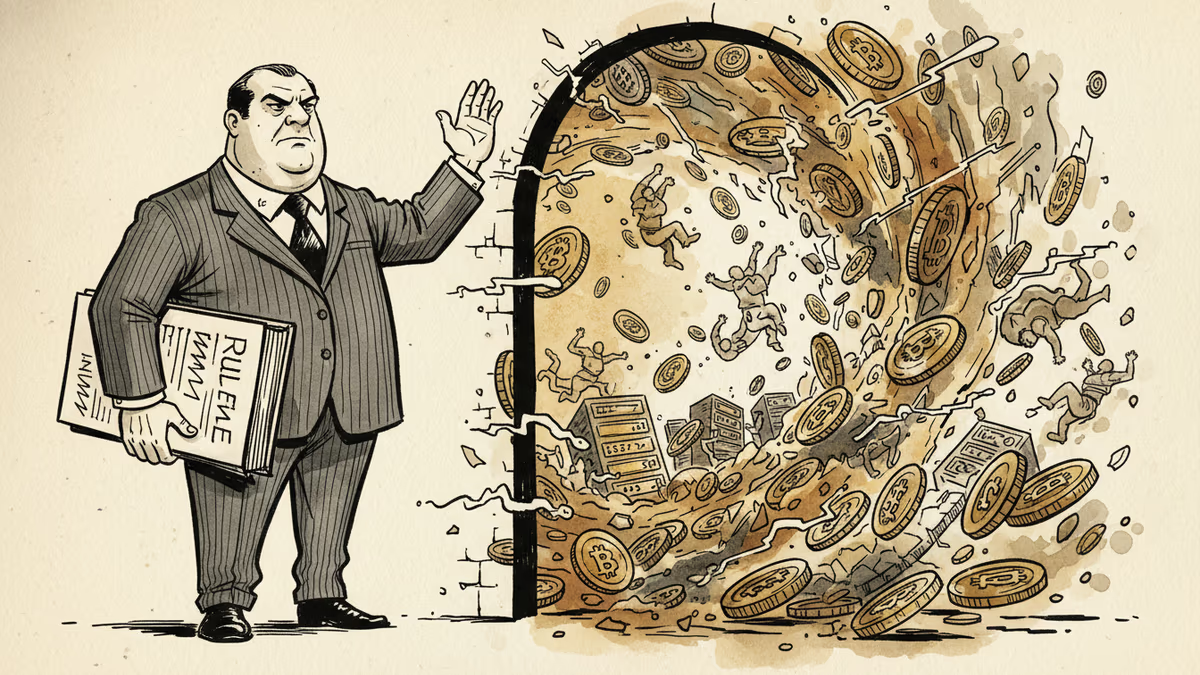
The SEC is preparing a major digital assets regulatory proposal. Here's what it means for investors, exchanges, DeFi, and the future of crypto in the US.
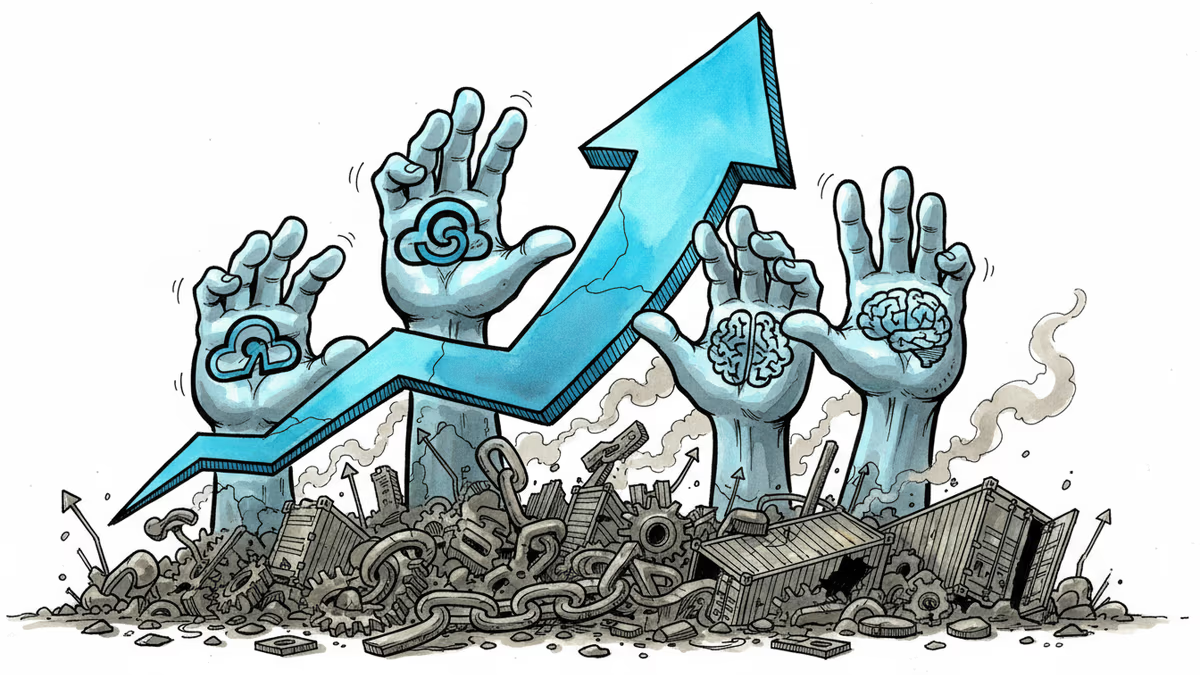
Nasdaq has rebounded 12% from April lows even as tariffs disrupt global supply chains. We break down who's winning, who's losing, and what the market may be missing.

Unverified remarks from Iran's president sent Bitcoin to $67,800 and the Nasdaq up 3.1%. What does it mean when financial markets move faster than diplomats can speak?
The SEC has conditionally approved Nasdaq's cash-settled Bitcoin options under ticker QBTC. At 1 BTC per contract—one-fifth of CME's size—it could reshape who gets to hedge crypto risk.
The SEC is preparing a major digital assets regulatory proposal. Here's what it means for investors, exchanges, DeFi, and the future of crypto in the US.
Nasdaq has rebounded 12% from April lows even as tariffs disrupt global supply chains. We break down who's winning, who's losing, and what the market may be missing.
Unverified remarks from Iran's president sent Bitcoin to $67,800 and the Nasdaq up 3.1%. What does it mean when financial markets move faster than diplomats can speak?
Thoughts
Share your thoughts on this article
Sign in to join the conversation