

LG’s CLOiD Robot Brings Two Arms and Five-Fingered Hands to Your Living Room
LG is set to unveil CLOiD, a new domestic robot with dual articulated arms and LG AI, at CES 2026. Discover how it aims to transform home management.
A full-time domestic helper might soon be powered by a battery instead of a salary. LG Electronics is set to unveil its latest home robotics innovation, 'CLOiD,' at CES 2026 in Las Vegas this January. Designed as an intuitive indoor helper, it aims to redefine home management by taking on tasks that previously required human dexterity.
High-Precision Arms Powered by LG AI
According to a company press release, the defining feature of CLOiD is its two articulated arms. Each arm boasts seven degrees of freedom and ends in a five-fingered hand, specifically engineered for delicate indoor tasks. These limbs aren't just for show; they allow the robot to interact with household objects in a way that traditional circular or vacuum-style bots cannot.

The Reality Check: Concept or Consumer Product?
While the specs sound impressive, the path to your living room remains unclear. LG hasn't shared any official photos, pricing, or a concrete release date for CLOiD. Given the history of CES showcases, there is a possibility that this remains a high-end prototype rather than a mass-market product. Furthermore, industry experts point to the growing concerns over commercial robot security as a hurdle for widespread domestic adoption.
Authors
Related Articles

Samsung and SK unveiled a chip and AI investment package worth thousands of trillions of won on June 29. The headline number swings wildly by outlet, but the real contest isn't capital — it's water and power.

Viral videos show 2026 graduates jeering executives who praise AI at commencement ceremonies. It's not just rudeness — it's a signal about who pays for technological optimism.

Filipino virtual assistants using AI to ghost-manage LinkedIn profiles for executives is now a structured industry. 30 comments a day, fake engagement rings, and a platform struggling to tell real from fabricated.
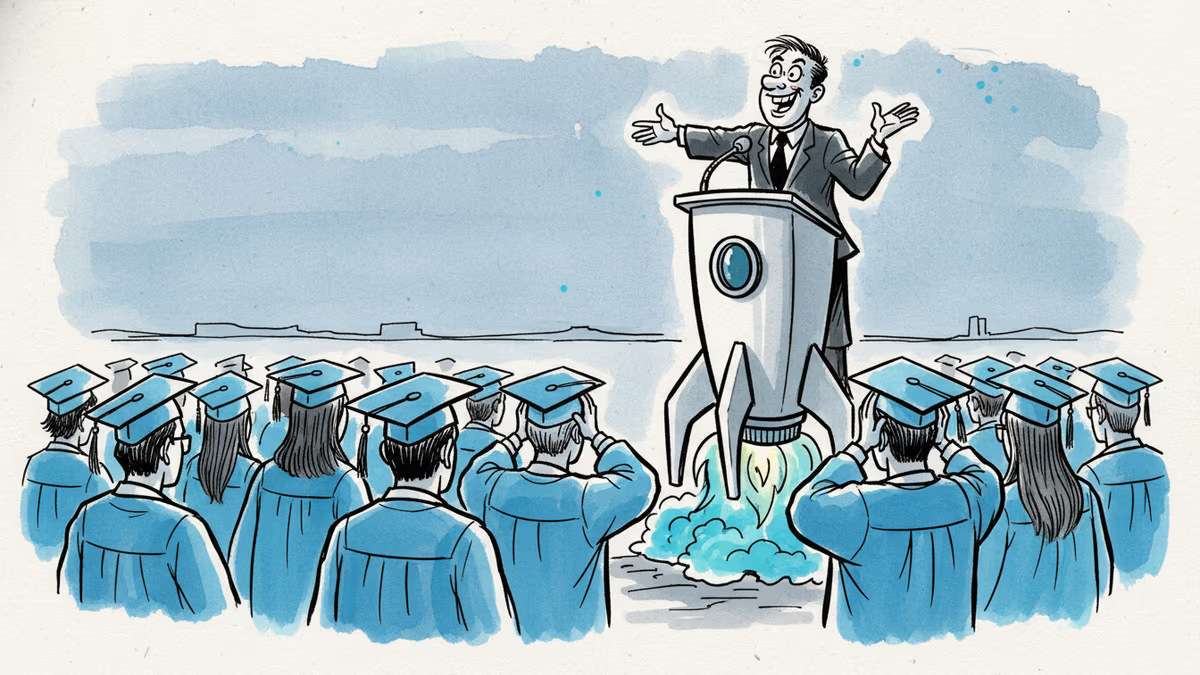
Two commencement speakers learned the hard way that AI enthusiasm doesn't land well with today's graduates. The backlash reveals a widening gap between tech optimism and Gen Z's economic reality.
Samsung and SK unveiled a chip and AI investment package worth thousands of trillions of won on June 29. The headline number swings wildly by outlet, but the real contest isn't capital — it's water and power.
Viral videos show 2026 graduates jeering executives who praise AI at commencement ceremonies. It's not just rudeness — it's a signal about who pays for technological optimism.
Filipino virtual assistants using AI to ghost-manage LinkedIn profiles for executives is now a structured industry. 30 comments a day, fake engagement rings, and a platform struggling to tell real from fabricated.
Two commencement speakers learned the hard way that AI enthusiasm doesn't land well with today's graduates. The backlash reveals a widening gap between tech optimism and Gen Z's economic reality.
Thoughts
Share your thoughts on this article
Sign in to join the conversation