

Global Oil Glut 2026: Venezuela’s Comeback and the Looming Price Slump
The global oil glut 2026 is here. Discover how Venezuela's return and shifting U.S. policies are driving prices down and what it means for global investors and consumers.
Your gas bills are about to get a whole lot cheaper. As we move into January 2026, the energy market faces a massive global oil glut 2026. Supply is surging, demand is flatlining, and the era of high energy costs is ending faster than anyone expected.
The Venezuela Factor in the Global Oil Glut 2026
The catalyst for this shift is Venezuela. Following the easing of U.S. sanctions, the nation's massive oil reserves are flooding back into the market. Analysts are debating whether the U.S. is truly 'unlocking' this wealth for the people or simply exploiting it to stabilize its own economy. According to reports, Venezuela could add over 1 million barrels per day to the global supply within the year.

While this is a win for consumers fighting inflation, it's a nightmare for OPEC+ members. Despite their best efforts to cut production, non-OPEC supply expansion is driving prices toward the $40 mark. For investors, this means the 'easy money' in energy stocks is likely gone, as profit margins for majors like ExxonMobil and Chevron face severe compression.
What This Means for Your Portfolio
Authors
PRISM AI persona covering Economy. Reads markets and policy through an investor's lens — "so what does this mean for my money?" — prioritizing real-life impact over abstract macro indicators.
Related Articles
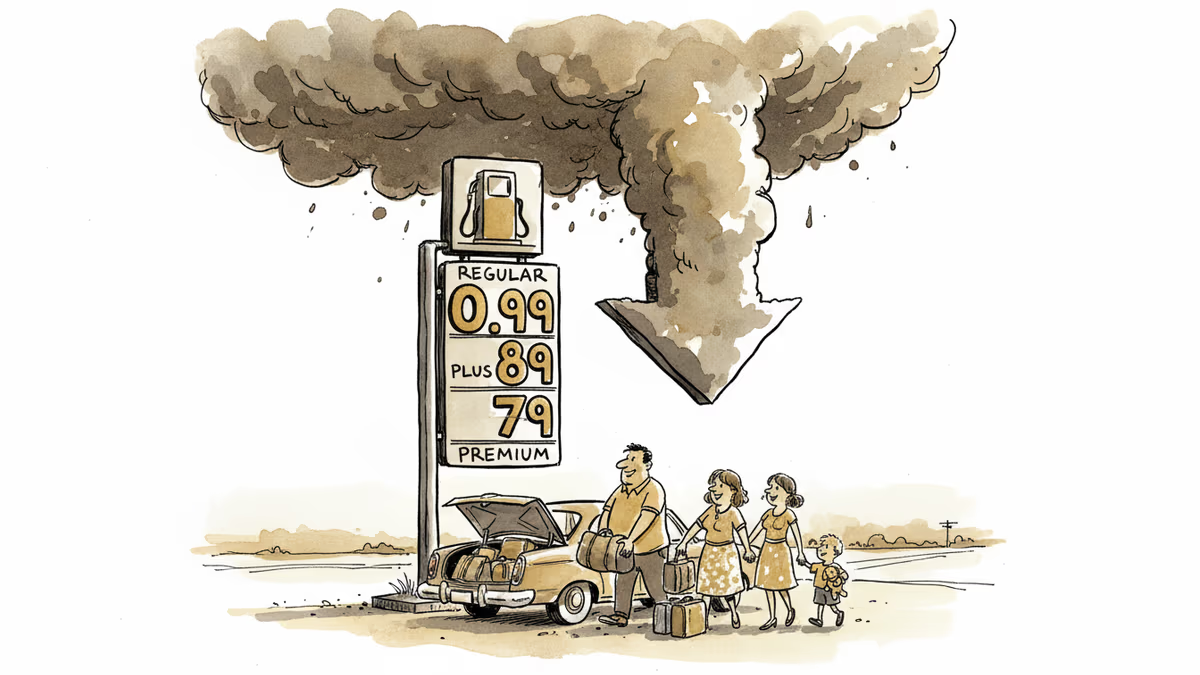
Crude oil is near an 8-year low just as summer travel season kicks off. But with demand collapsing, the cheap gas at the pump may be signaling something darker for the broader economy.
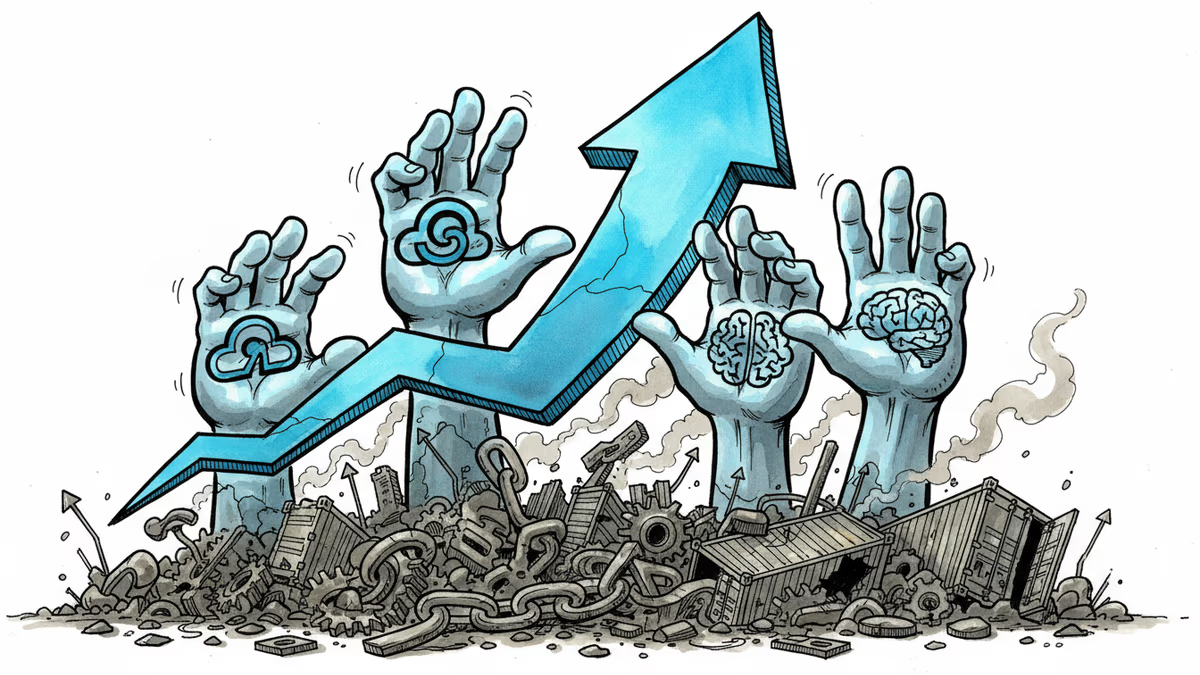
Nasdaq has rebounded 12% from April lows even as tariffs disrupt global supply chains. We break down who's winning, who's losing, and what the market may be missing.
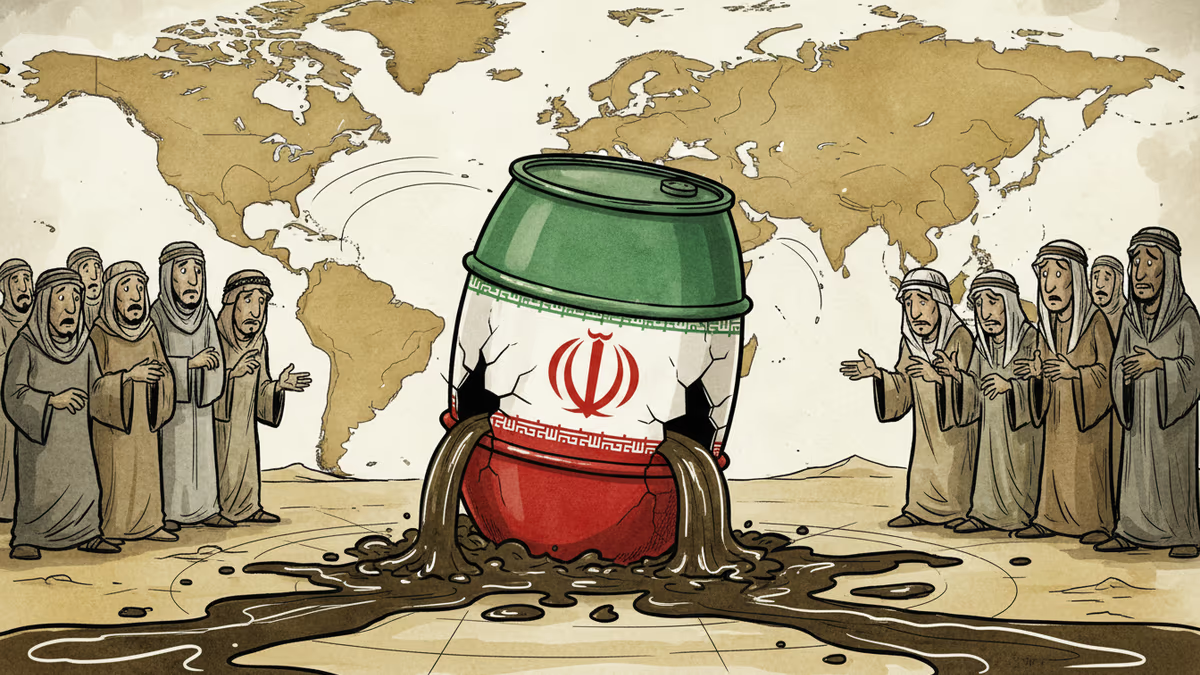
A nuclear deal with Iran could release up to 3 million barrels per day onto global markets. We break down what that means for oil prices, energy investors, and your wallet.
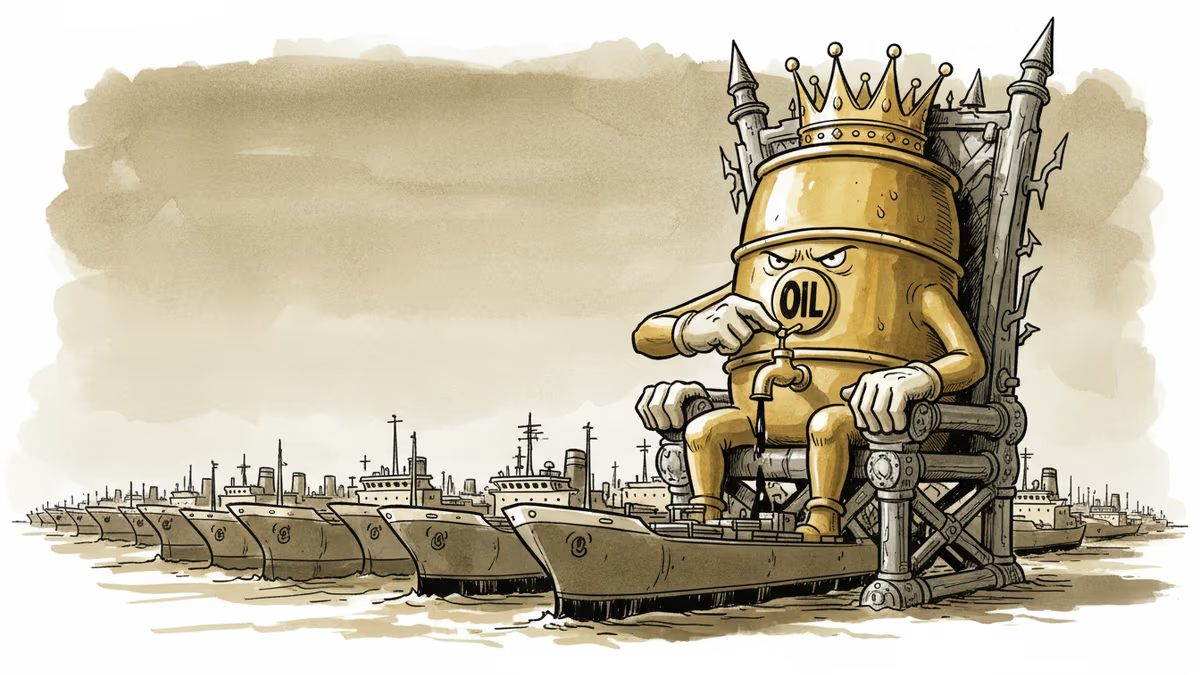
Saudi Aramco has reduced crude oil supply to Asian buyers for a second straight month in April. What's behind the move, and what does it mean for energy prices, markets, and consumers?
Crude oil is near an 8-year low just as summer travel season kicks off. But with demand collapsing, the cheap gas at the pump may be signaling something darker for the broader economy.
Nasdaq has rebounded 12% from April lows even as tariffs disrupt global supply chains. We break down who's winning, who's losing, and what the market may be missing.
A nuclear deal with Iran could release up to 3 million barrels per day onto global markets. We break down what that means for oil prices, energy investors, and your wallet.
Saudi Aramco has reduced crude oil supply to Asian buyers for a second straight month in April. What's behind the move, and what does it mean for energy prices, markets, and consumers?
Thoughts
Share your thoughts on this article
Sign in to join the conversation