
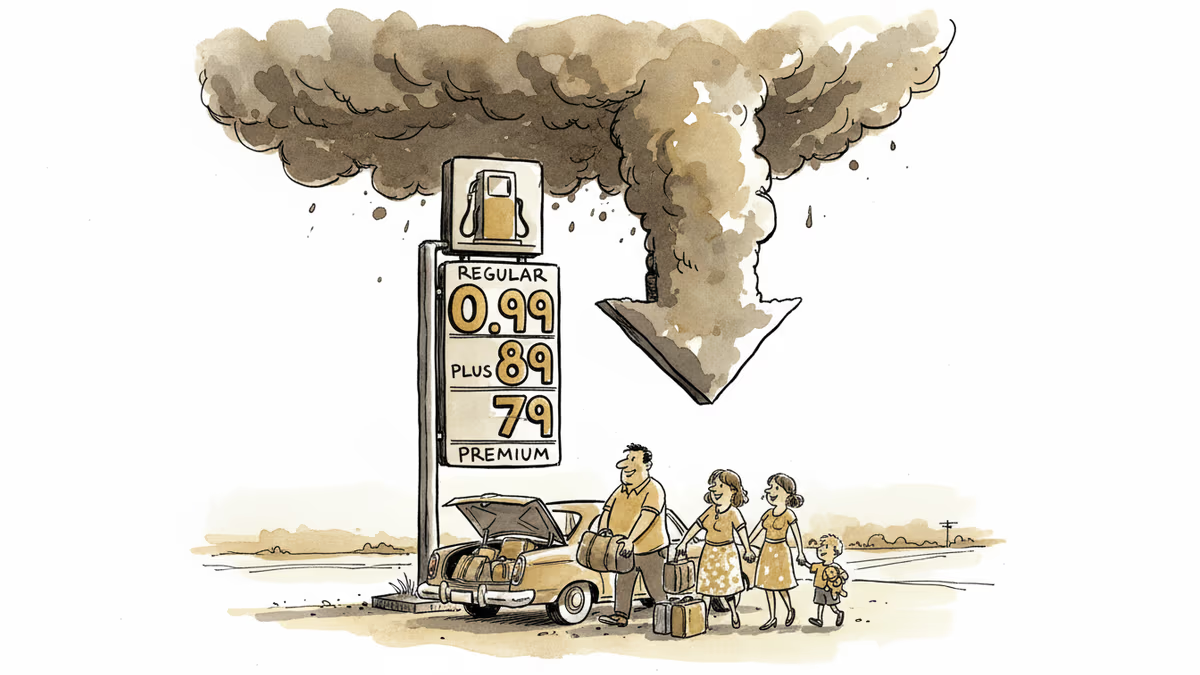
Cheap Oil, Anxious Markets: Who Really Wins?
Crude oil is near an 8-year low just as summer travel season kicks off. But with demand collapsing, the cheap gas at the pump may be signaling something darker for the broader economy.
Gas prices are falling just in time for summer road trips. So why are energy markets flashing red?
What's Happening at the Pump — and Why
With the summer travel season approaching, Brent crude has slumped to around $60 per barrel — its lowest level since 2018. WTI is hovering near $57–58. On the surface, that sounds like good news for anyone planning a vacation. Look closer, and the picture gets complicated.
Two forces are colliding. On the supply side, OPEC+ voted in early May to increase output by 411,000 barrels per day — a move widely seen as Saudi Arabia defending market share rather than managing prices. On the demand side, the International Energy Agency slashed its 2026 global oil demand growth forecast to just 730,000 barrels per day, roughly half of what it projected only three months ago. Renewed US-China trade tensions and slowing industrial output in Europe are the main culprits.
When supply rises and demand falls simultaneously, prices don't just dip — they can freefall. That's what markets are now pricing in.
Winners, Losers, and the Gap Between Them
The consumer case is straightforward: cheaper fuel means more money in your pocket. The average American driver could save roughly $200–300 over a summer of normal driving compared to last year. Airlines, which spend 20–30% of operating costs on jet fuel, face pressure to pass some savings to passengers — though history suggests they're quicker to raise fares than lower them.

But the losers list is long. ExxonMobil, Chevron, and Shell are all navigating inventory losses — crude bought at higher prices now sold into a falling market. Smaller US shale producers face a harder reckoning: many need oil above $65 per barrel to break even on new wells. Below that threshold, drilling programs get shelved and layoffs follow.
For petrostates, the math is brutal. Saudi Arabia's fiscal breakeven — the oil price needed to balance its national budget — is estimated near $80 per barrel. At current prices, Riyadh is running a deficit even as it pumps more. The strategy of flooding the market to squeeze out rivals is a gamble that only works if prices recover before the treasury runs dry.
The Demand Signal Nobody Wants to Talk About
Here's the uncomfortable question embedded in cheap oil: is this a gift, or a warning?
Low oil prices driven by supply gluts — think the 2014–2016 OPEC price war — can be a genuine consumer windfall. But low oil prices driven by demand destruction are a different animal entirely. They tend to accompany recessions, not precede recoveries.
The current drop carries elements of both. Supply is rising by OPEC design. But demand forecasts are being cut because factories are producing less, trade volumes are shrinking, and consumers in key markets are pulling back. The IMF trimmed its 2026 global growth forecast to 2.8% in April — territory that historically correlates with oil demand stagnation.
For investors, the divergence matters enormously. Energy stocks are pricing in prolonged weakness. The S&P 500 Energy sector is down roughly 18% year-to-date, underperforming the broader index by a wide margin. If the demand slump is cyclical, beaten-down energy equities could be a contrarian opportunity. If it reflects something structural — accelerating EV adoption, post-pandemic travel normalization, deglobalization of supply chains — the recovery may be slower and shallower than past cycles.
This content is AI-generated based on source articles. While we strive for accuracy, errors may occur. We recommend verifying with the original source.
Related Articles
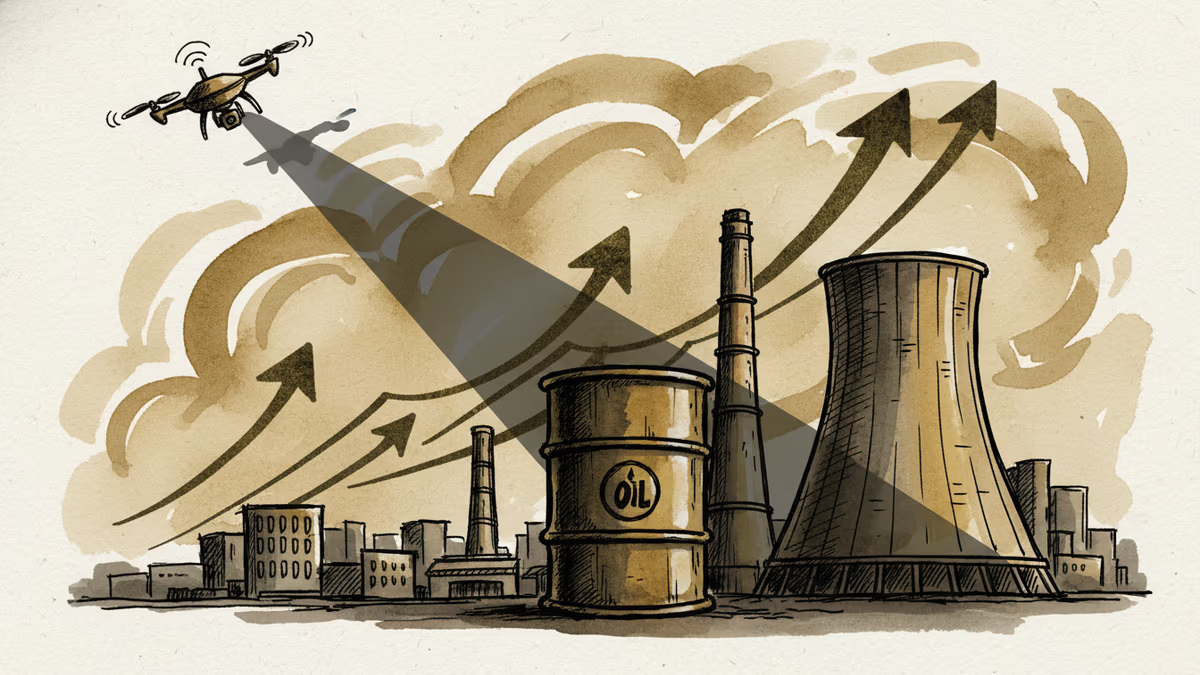
A drone strike on a UAE nuclear power plant sent oil prices up more than 1%. Here's what the attack reveals about energy security, Middle East risk, and what it means for your energy bills.
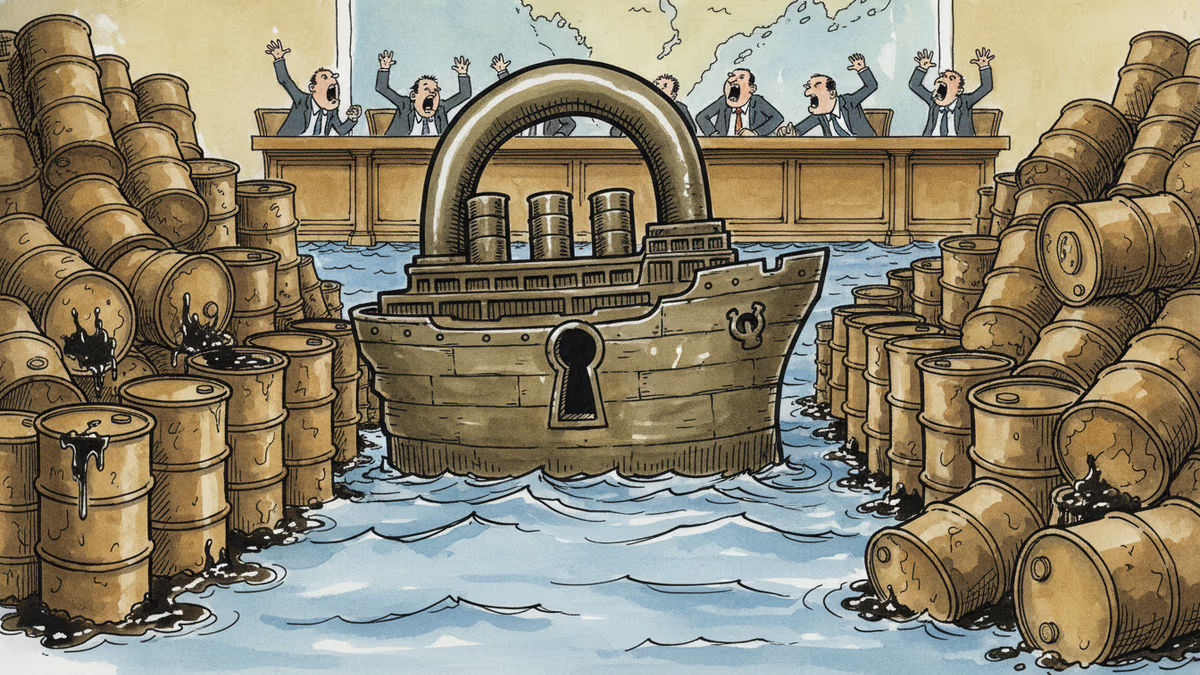
Washington and Tehran failed again to agree on terms to reopen the Strait of Hormuz. With 20% of global seaborne oil at stake, every day of deadlock has a price—and consumers are paying it.
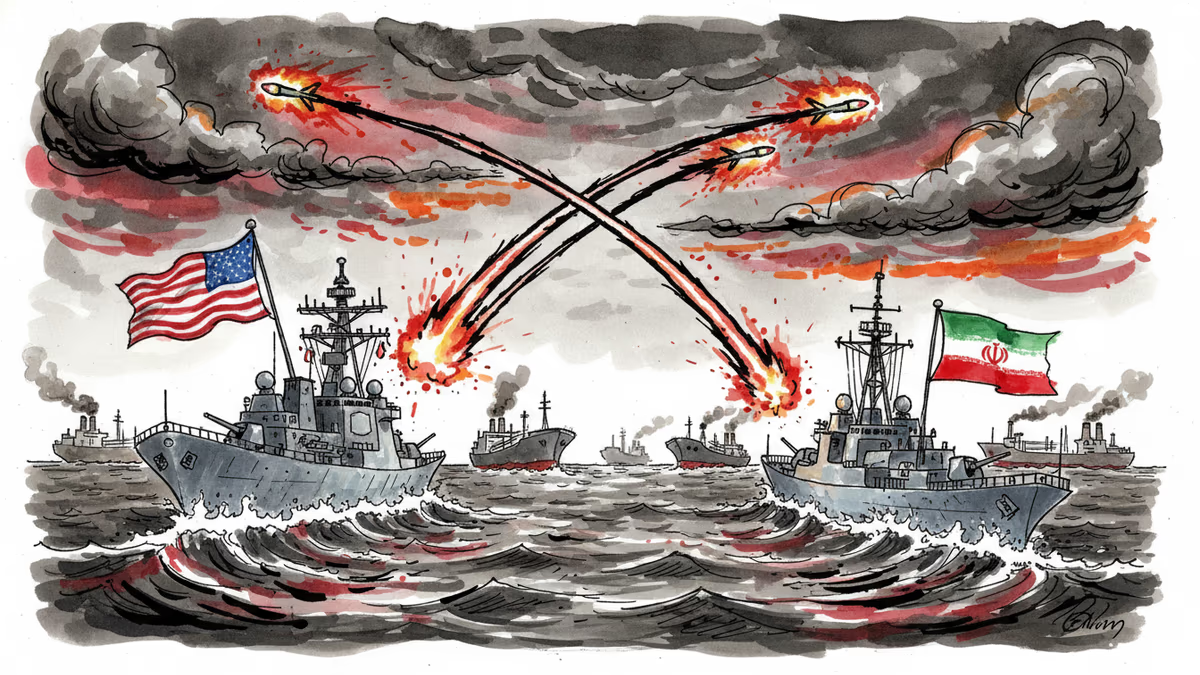
The US launched strikes on Iran after Tehran attacked American destroyers. What triggered the escalation, who stands to lose, and where does this go from here?
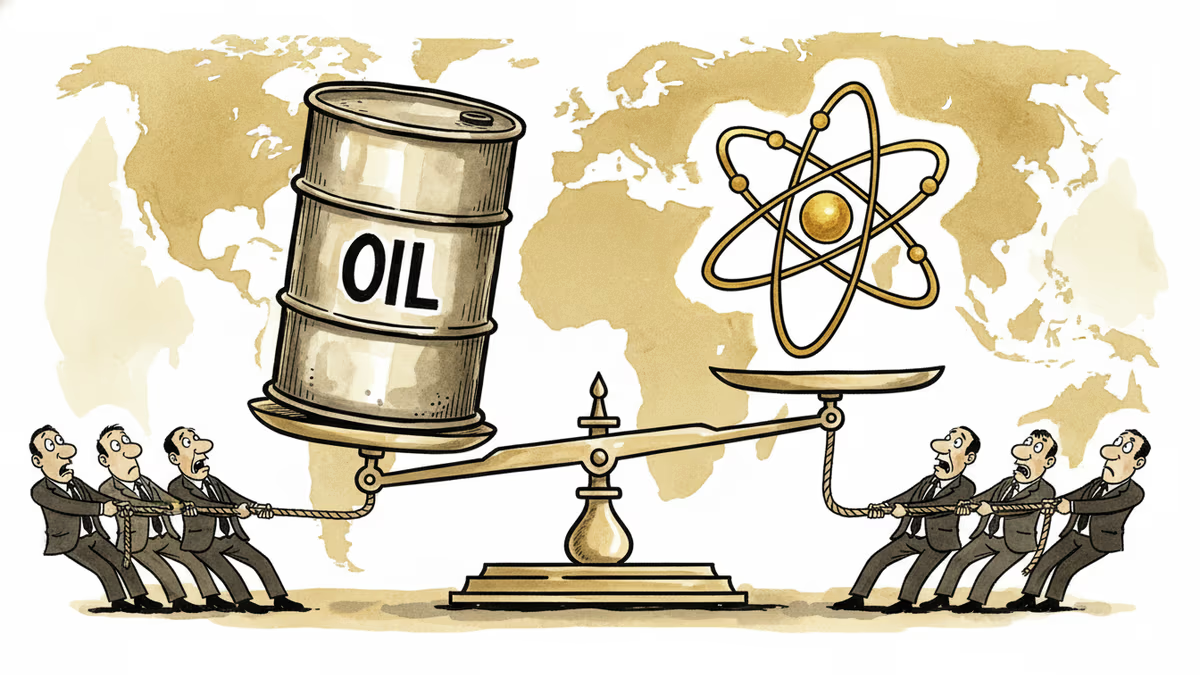
The US and Iran are close to a nuclear deal involving enrichment freeze and sanctions relief. Here's what it means for oil prices, energy markets, and your investments.
A drone strike on a UAE nuclear power plant sent oil prices up more than 1%. Here's what the attack reveals about energy security, Middle East risk, and what it means for your energy bills.
Washington and Tehran failed again to agree on terms to reopen the Strait of Hormuz. With 20% of global seaborne oil at stake, every day of deadlock has a price—and consumers are paying it.
The US launched strikes on Iran after Tehran attacked American destroyers. What triggered the escalation, who stands to lose, and where does this go from here?
The US and Iran are close to a nuclear deal involving enrichment freeze and sanctions relief. Here's what it means for oil prices, energy markets, and your investments.
Thoughts
Share your thoughts on this article
Sign in to join the conversation