

The Kristi Noem DHS Doxing Controversy 2025: Who Watches the Watchmen?
Explore the Kristi Noem DHS doxing controversy 2025. As federal agents clash with smartphone-wielding citizens, the battle over public accountability and surveillance reaches a breaking point.
Privacy isn't dead—it's just being weaponized. In 2025, a new battlefield has emerged where smartphones are pitted against badges. As the government ramps up surveillance, citizens are firing back with cameras of their own.
The Kristi Noem DHS Doxing Controversy 2025 and Digital Resistance
Department of Homeland Security (DHS) Secretary Kristi Noem has spent the year trying to convince the public that identifying masked federal agents is "doxing" and a form of "violence." It's a bold claim that legal experts say misses the mark. While Noem argues for officer safety, civil liberties groups maintain that public servants don't have an expectation of privacy while performing public duties.
Throughout the first 12 months of the second Trump administration, immigration raids by ICE and CBP have surged. In response, "ICE watch" groups have cropped up nationwide. These grassroots networks use social media to document arrests, often capturing unidentified agents in tactical gear. The tension has escalated to the point where the FBI has reportedly launched domestic terrorism investigations into threats against enforcement activity in at least 23 areas.

The Evolution of Populist Accountability
Documenting police isn't new; it's practically an American tradition. From the 1968 DNC to the 1991 Rodney King beating, cameras have long balanced the scales of power. But today's tech makes it instantaneous. When a video of an arrest goes viral on Instagram or X, it bypasses traditional media gatekeepers, creating what some call a "distributed network of observers."
The government's pushback has been swift. Beyond Noem's rhetoric, legislative efforts like the "Protecting Law Enforcement From Doxing Act" aim to criminalize the sharing of officer info. However, critics like the ACLU argue that government surveillance—via license plate readers and facial recognition—far outstrips anything a regular person can do with a phone.
Authors
Related Articles
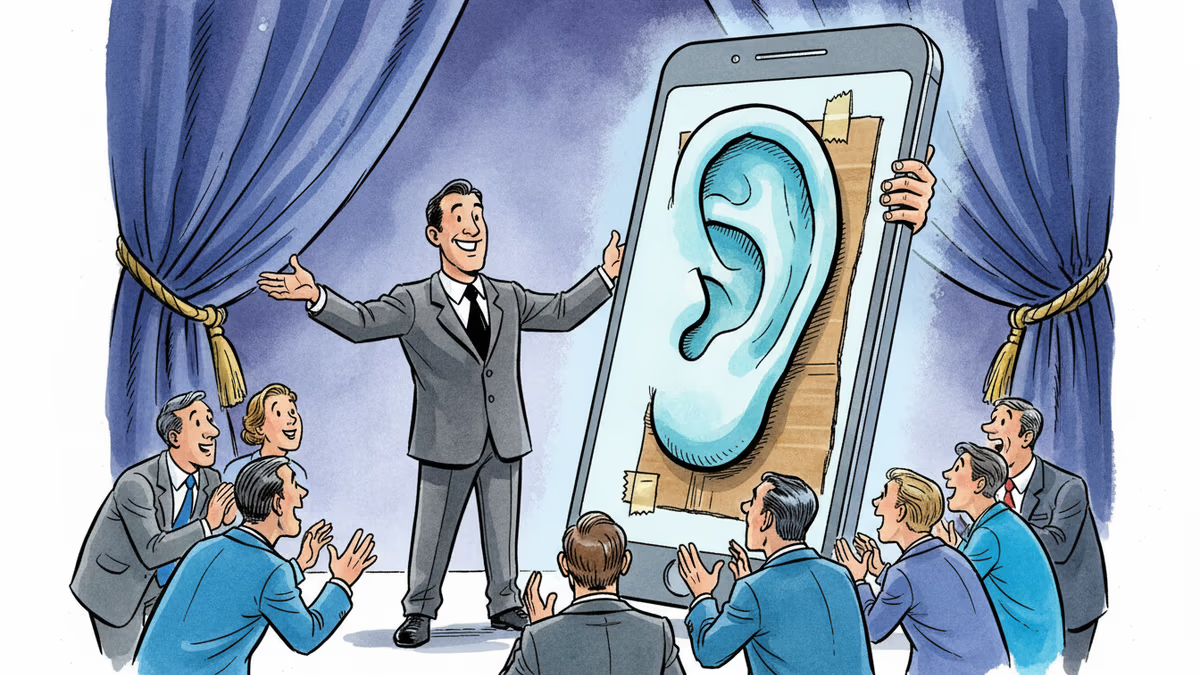
The FTC fined Cox Media and two ad firms $930,000 — not for actually eavesdropping on users, but for falsely claiming they could. The case raises uncomfortable questions about surveillance capitalism.
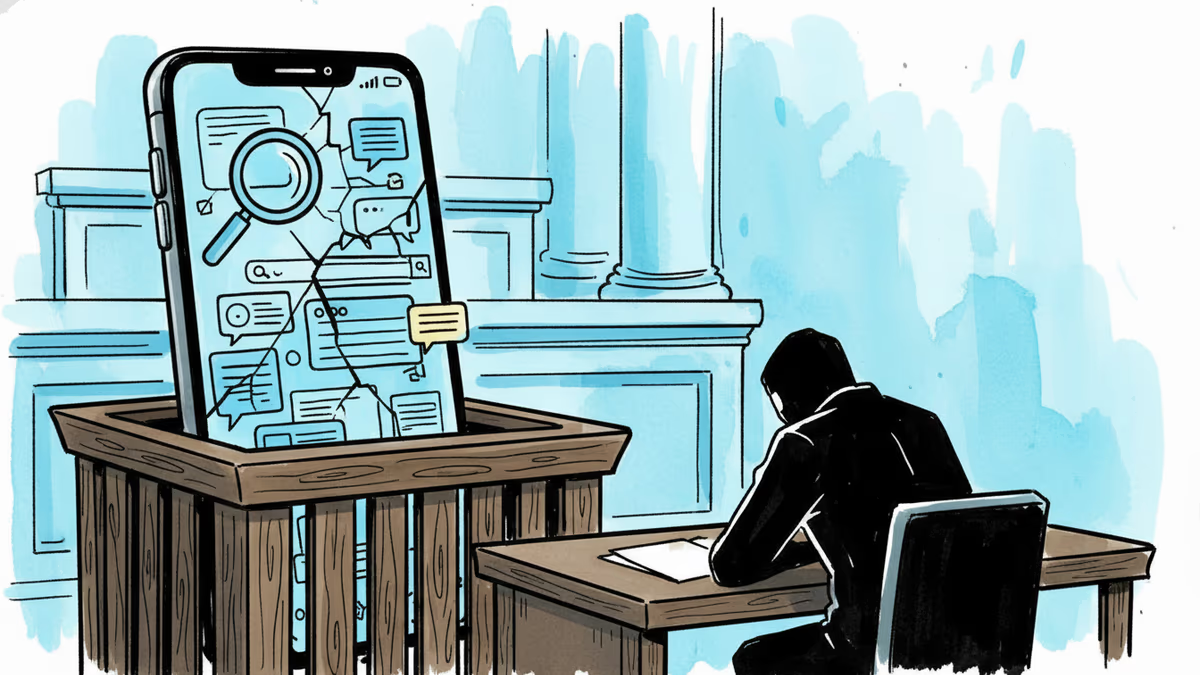
A Utah woman was sentenced to life in prison partly because of her Google searches and deleted texts. The Kouri Richins case reveals how digital footprints have become the courtroom's most reliable witness.
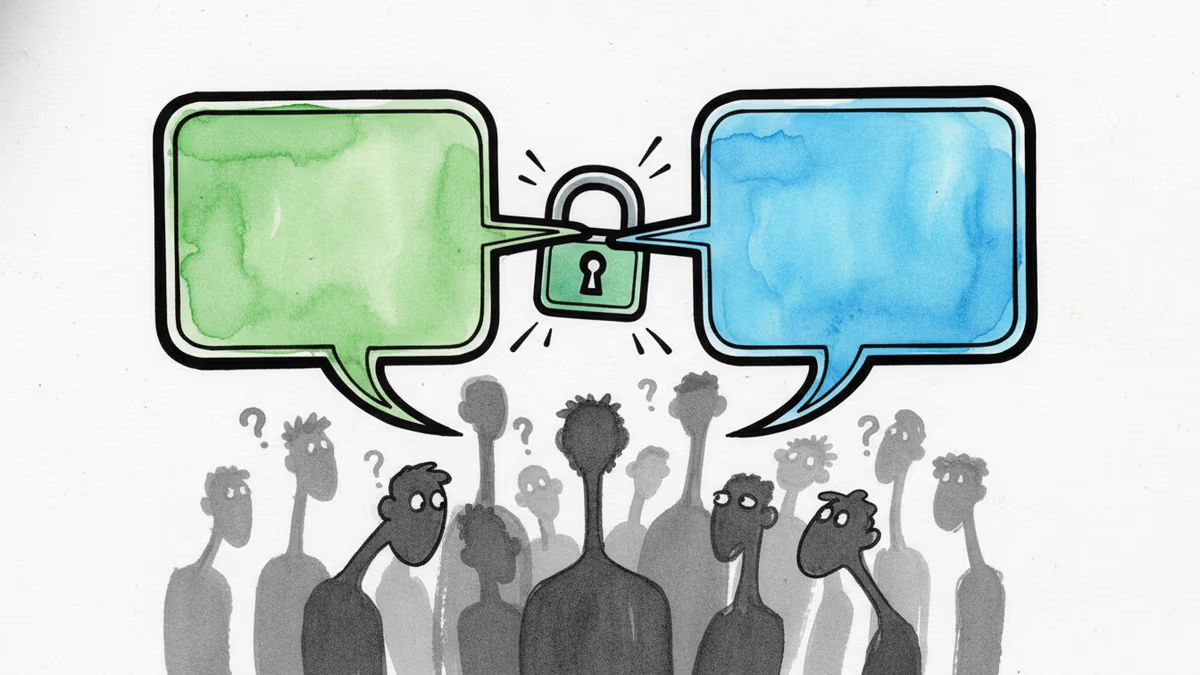
After 15 years of fragmented mobile messaging, Apple and Google are rolling out end-to-end encrypted RCS messaging between iPhones and Android devices. Here's what changed, why it took so long, and what it means for your privacy.
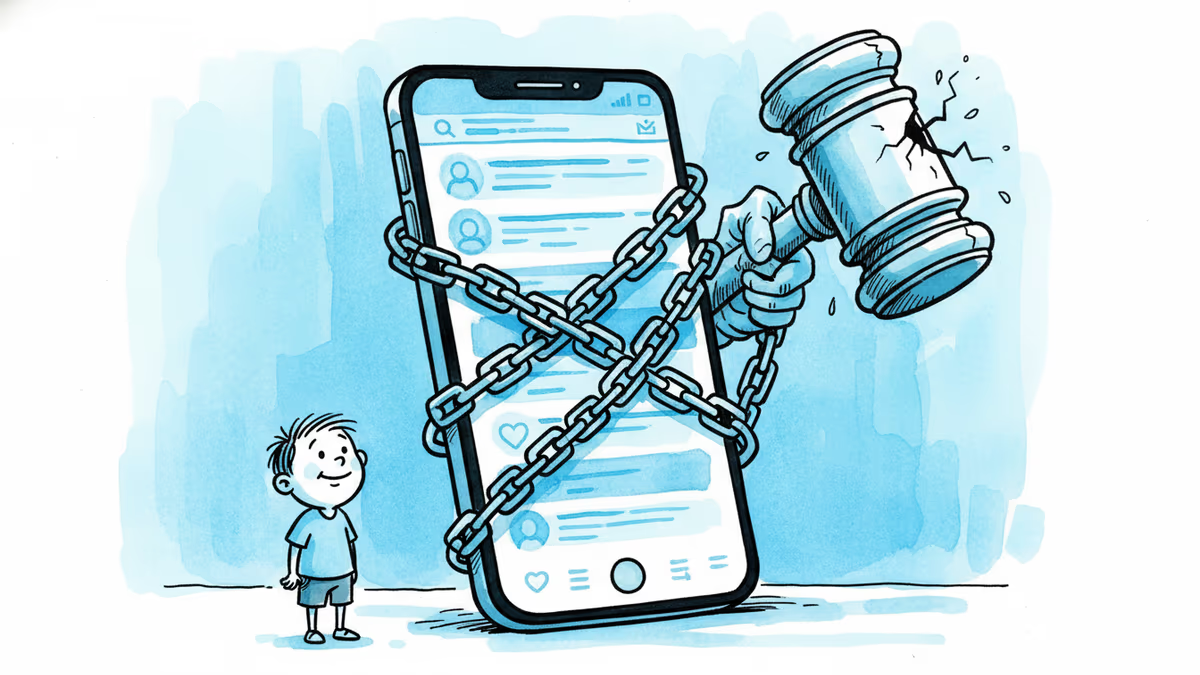
New Mexico already won $375 million from Meta. Now it wants something harder to give: a court order forcing Facebook, Instagram, and WhatsApp to redesign themselves. A three-week trial starts Monday.
The FTC fined Cox Media and two ad firms $930,000 — not for actually eavesdropping on users, but for falsely claiming they could. The case raises uncomfortable questions about surveillance capitalism.
A Utah woman was sentenced to life in prison partly because of her Google searches and deleted texts. The Kouri Richins case reveals how digital footprints have become the courtroom's most reliable witness.
After 15 years of fragmented mobile messaging, Apple and Google are rolling out end-to-end encrypted RCS messaging between iPhones and Android devices. Here's what changed, why it took so long, and what it means for your privacy.
New Mexico already won $375 million from Meta. Now it wants something harder to give: a court order forcing Facebook, Instagram, and WhatsApp to redesign themselves. A three-week trial starts Monday.
Thoughts
Share your thoughts on this article
Sign in to join the conversation