

AI Supercycle Alert: South Korean Chipmakers Patent Trolls Risks Surge
Samsung and SK hynix face rising threats from patent trolls as US IP policies shift. Explore how South Korean chipmakers patent trolls risks affect the AI supercycle.
Record profits are attracting dangerous shadows. As the AI boom fuels a supercycle, Samsung Electronics and SK hynix are increasingly finding themselves in the crosshairs of non-practicing entities (NPEs), commonly known as patent trolls.
US Patent Policy Shift: South Korean Chipmakers Patent Trolls Risks
According to industry watchers and Yonhap, South Korean firms are becoming more vulnerable as Washington strengthens patent protection. Since Samsung and SK hynix are posting record-breaking earnings, the incentive for NPEs to file lucrative lawsuits has never been higher.

The situation's worsened by a shift in U.S. IP policies. The Inter Partes Review (IPR) system, originally designed to curb abusive litigation, has been significantly weakened. Sources indicate that the percentage of cases denied review has surged from roughly 30% to nearly 90% following leadership changes at the USPTO.
Impact on Global Technological Competitiveness
These lawsuits don't just cost money; they drain time and resources. Experts warn that aggressive litigation could weigh down critical research and investment activities, ultimately hurting the technological edge of the South Korean semiconductor sector.
Authors
Related Articles
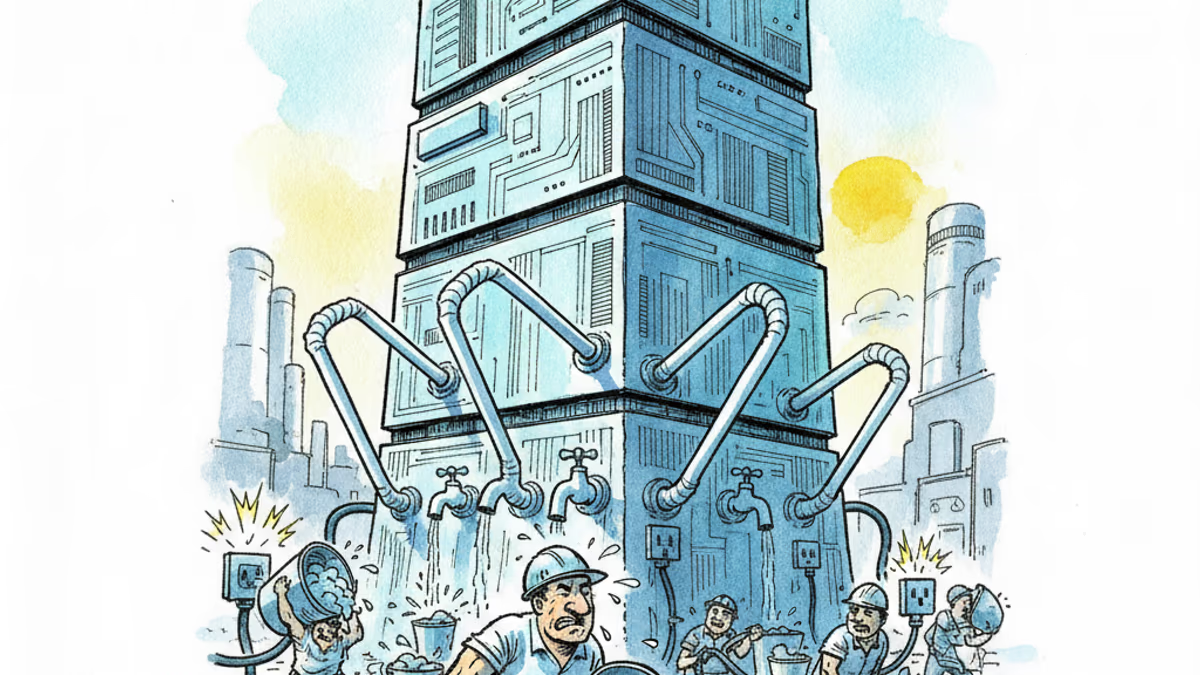
Samsung and SK unveiled a chip and AI investment package worth thousands of trillions of won on June 29. The headline number swings wildly by outlet, but the real contest isn't capital — it's water and power.
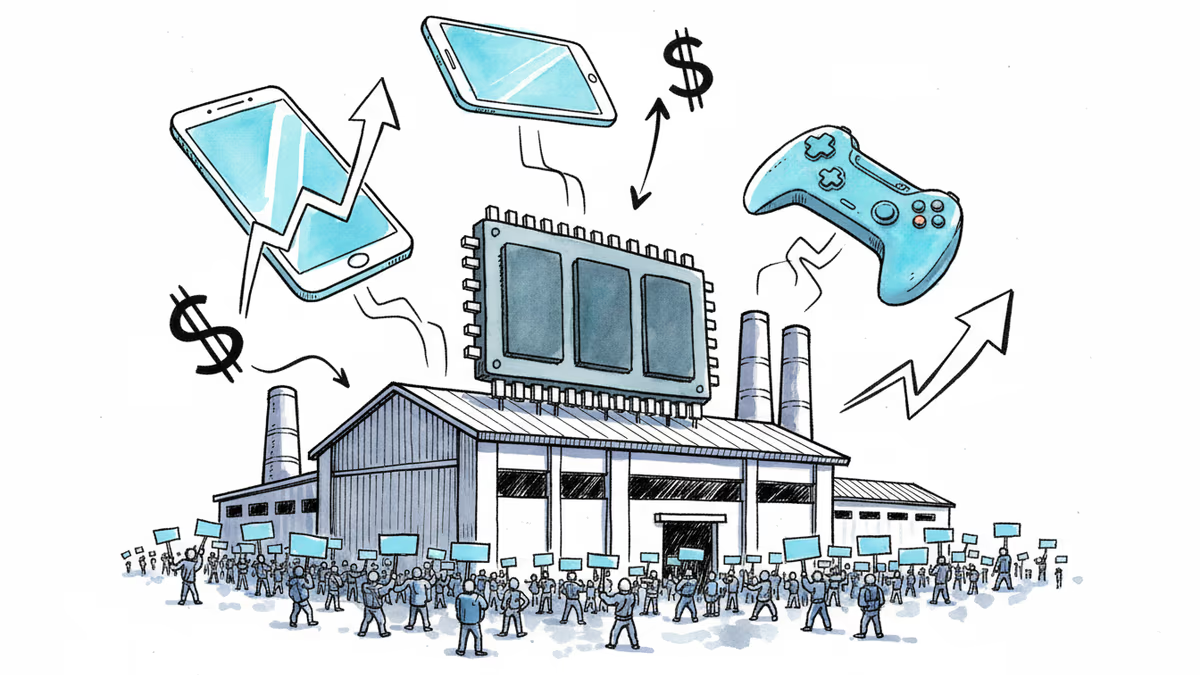
40,000 Samsung union workers rallied at its Pyeongtaek chip plant, threatening an 18-day strike over wages. With AI-driven RAM shortages already lifting consumer prices, the timing couldn't be worse.

Memory makers can't build fabs fast enough. By end of 2027, supply will cover just 60% of demand. Here's why the shortage could last until 2030—and what it means for AI, your devices, and the chip industry.

Samsung's Galaxy S26 now supports AirDrop through Quick Share, making cross-platform file sharing seamless. What does it mean when Android starts dismantling one of Apple's most beloved moats?
Samsung and SK unveiled a chip and AI investment package worth thousands of trillions of won on June 29. The headline number swings wildly by outlet, but the real contest isn't capital — it's water and power.
40,000 Samsung union workers rallied at its Pyeongtaek chip plant, threatening an 18-day strike over wages. With AI-driven RAM shortages already lifting consumer prices, the timing couldn't be worse.
Memory makers can't build fabs fast enough. By end of 2027, supply will cover just 60% of demand. Here's why the shortage could last until 2030—and what it means for AI, your devices, and the chip industry.
Samsung's Galaxy S26 now supports AirDrop through Quick Share, making cross-platform file sharing seamless. What does it mean when Android starts dismantling one of Apple's most beloved moats?
Thoughts
Share your thoughts on this article
Sign in to join the conversation