

Kioxia SSD Price Forecast 2026: AI Frenzy Keeps Storage Expensive
Storage prices are expected to remain high as Kioxia reports its SSD manufacturing capacity is sold out through 2026 due to the AI-induced memory crunch.
The AI-induced memory crunch is filling the pockets of chipmakers with record profits. However, if you're waiting for SSD prices to drop, you might be waiting until 2026 or later. Manufacturers are signaling that the shortage is far from over, as generative AI continues to swallow every bit of flash memory available on the market.
Kioxia SSD Price Forecast 2026: Sold Out Through Next Year
According to Shunsuke Nakato, managing director at Kioxia, the Japanese memory giant's manufacturing capacity is already sold out through the end of 2026. As reported via PC Gamer, this supply-side constraint is pushing both enterprise and consumer storage markets into a "high-end and expensive phase." For those looking to upgrade their PCs or servers, the news suggests that budget-friendly options will remain scarce.

The AI Investment Trap: Buy or Be Left Behind
Nakato noted a "sense of crisis" among tech firms. Speaking to Digital Daily, he explained that companies feel they'll be eliminated the moment they stop investing in AI. This desperate need for infrastructure keeps the demand for high-performance memory kits and NAND flash at an all-time high. Without a significant cooling of the generative AI sector, pricing is expected to stay elevated for the foreseeable future.
Authors
Related Articles

Snowflake's new $6 billion AWS contract is about more than cloud spending. It signals a shift in AI infrastructure—away from Nvidia GPUs and toward cheaper, homegrown chips for the agent era.

At Milken 2026, five AI insiders—from the CEO of ASML to a quantum physicist challenging LLMs—laid out the physical, energy, and geopolitical limits the AI boom is running into.
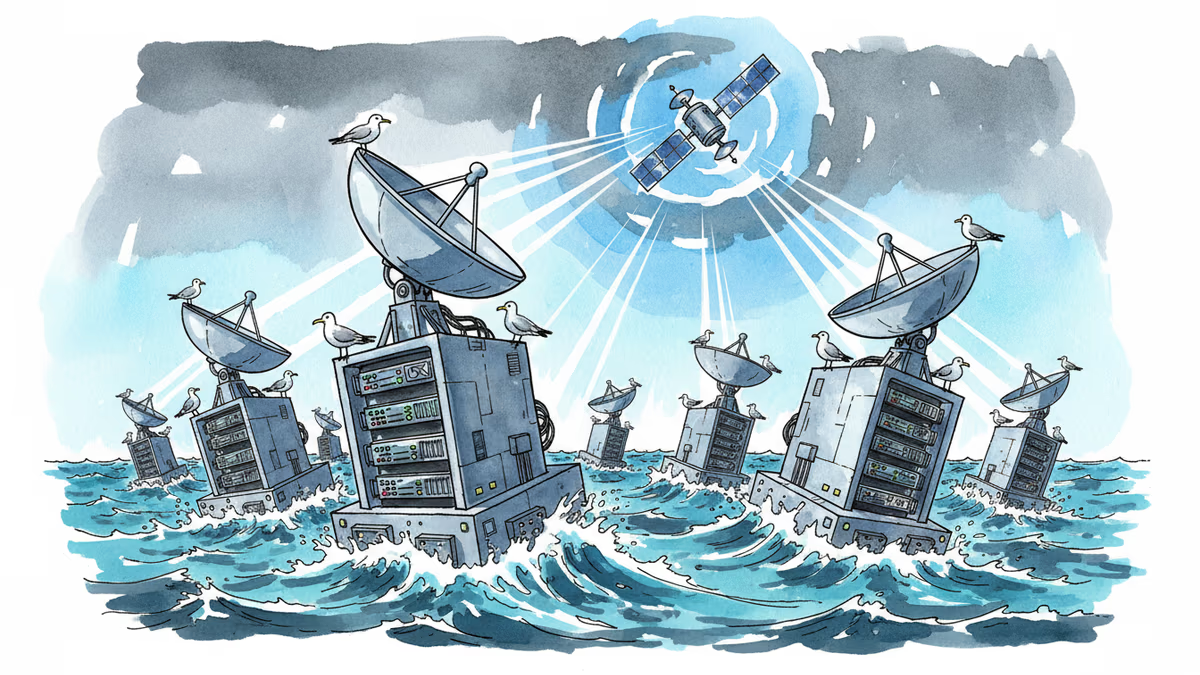
Palantir co-founder Peter Thiel and other Silicon Valley investors have poured $140 million into Panthalassa, a startup building wave-powered floating AI data centers in the open ocean. Here's what that actually means.
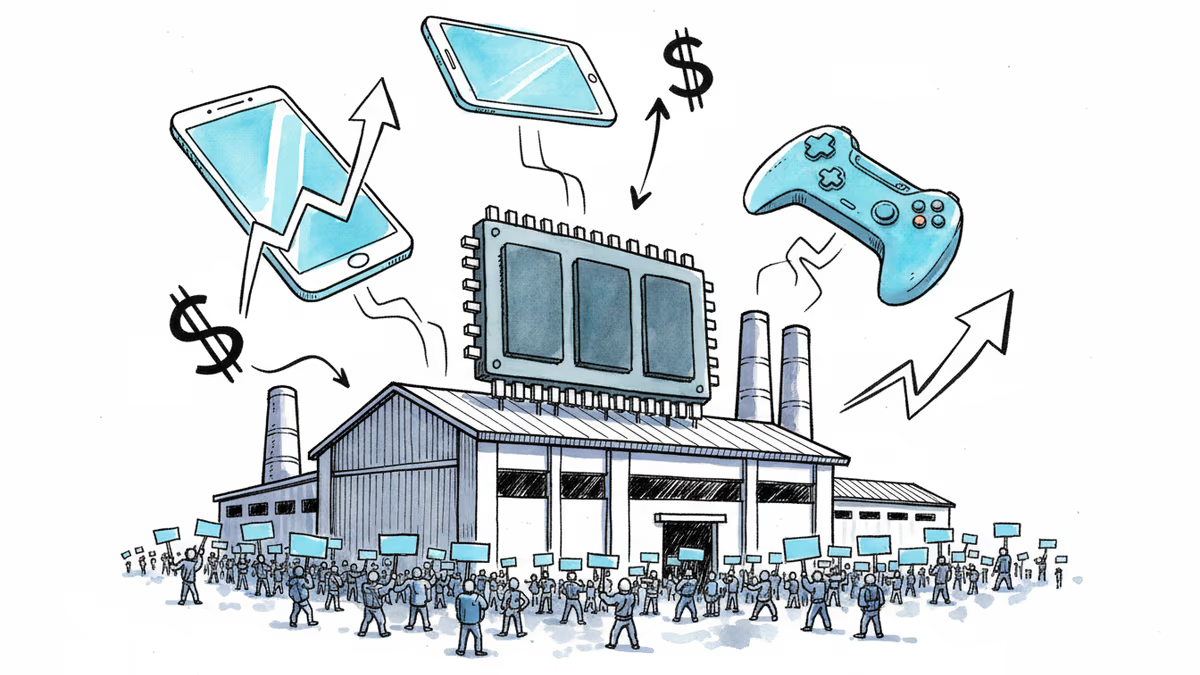
40,000 Samsung union workers rallied at its Pyeongtaek chip plant, threatening an 18-day strike over wages. With AI-driven RAM shortages already lifting consumer prices, the timing couldn't be worse.
Snowflake's new $6 billion AWS contract is about more than cloud spending. It signals a shift in AI infrastructure—away from Nvidia GPUs and toward cheaper, homegrown chips for the agent era.
At Milken 2026, five AI insiders—from the CEO of ASML to a quantum physicist challenging LLMs—laid out the physical, energy, and geopolitical limits the AI boom is running into.
Palantir co-founder Peter Thiel and other Silicon Valley investors have poured $140 million into Panthalassa, a startup building wave-powered floating AI data centers in the open ocean. Here's what that actually means.
40,000 Samsung union workers rallied at its Pyeongtaek chip plant, threatening an 18-day strike over wages. With AI-driven RAM shortages already lifting consumer prices, the timing couldn't be worse.
Thoughts
Share your thoughts on this article
Sign in to join the conversation