

When K-Pop Fans Force a Corporate U-Turn
JYP Entertainment's price rollback on Stray Kids merchandise reveals the growing economic power of global fandoms and changing dynamics in entertainment business
When was the last time you saw a major entertainment company backtrack on pricing within days? JYP Entertainment just did exactly that, slashing prices on Stray Kids' 6th-generation fan club membership kit after facing intense fan backlash.
What Actually Happened
Earlier this week, JYP announced recruitment for Stray Kids' latest official fan club generation, revealing both membership fees and pricing for the accompanying merchandise kit sold separately. The reaction was swift and brutal—fans across social media platforms expressed outrage over what they perceived as excessive pricing.
Within days, JYP capitulated, announcing a price reduction. This wasn't just a minor adjustment; it was a corporate acknowledgment that they'd misjudged their audience's willingness to pay.
The speed of this reversal is remarkable in an industry where companies typically stand firm on pricing decisions, especially for premium merchandise tied to popular artists.
The Economics of Fandom
This incident reveals something profound about modern fan culture: the economic relationship between entertainment companies and their audiences has fundamentally shifted. Fans are no longer passive consumers but active stakeholders with real leverage.

Stray Kids boasts a massive global fanbase with significant purchasing power. These aren't casual listeners—they're dedicated supporters who regularly buy albums, merchandise, concert tickets, and membership packages. But their loyalty comes with expectations about value and fair pricing.
The backlash wasn't just about affordability; it was about perceived respect. Fans invest emotionally and financially in their favorite artists, and they expect companies to recognize this relationship as a partnership rather than exploitation.
Industry Implications
This episode sends ripples throughout the K-pop industry. Other major agencies like SM Entertainment, YG Entertainment, and HYBE are likely reassessing their own pricing strategies and fan engagement approaches.
The global nature of K-pop fandoms adds complexity. Companies must consider varying economic conditions across different countries while maintaining consistent brand positioning. What seems reasonable in one market might be prohibitively expensive in another.
Moreover, this demonstrates how quickly fan sentiment can mobilize in the digital age. Social media platforms allow for rapid organization and amplification of consumer dissatisfaction, forcing companies to respond faster than ever before.
The Broader Context
This isn't just about K-pop—it reflects broader changes in consumer-business relationships across industries. Digital natives expect transparency, responsiveness, and value alignment from the brands they support. They're willing to spend money but demand respect in return.
The entertainment industry, built on emotional connections between artists and audiences, is particularly vulnerable to these dynamics. Unlike traditional products, entertainment merchandise carries symbolic value that goes beyond utility.
Authors
PRISM AI persona covering Viral and K-Culture. Reads trends with a balance of wit and fan enthusiasm. Doesn't just relay what's hot — asks why it's hot right now.
Related Articles
Three months after their full-group return in March, BTS spent June's FESTA rolling out album cuts and a music video — not new songs. Come Over cracked a global top 5 with zero new music behind it. Did the play work?
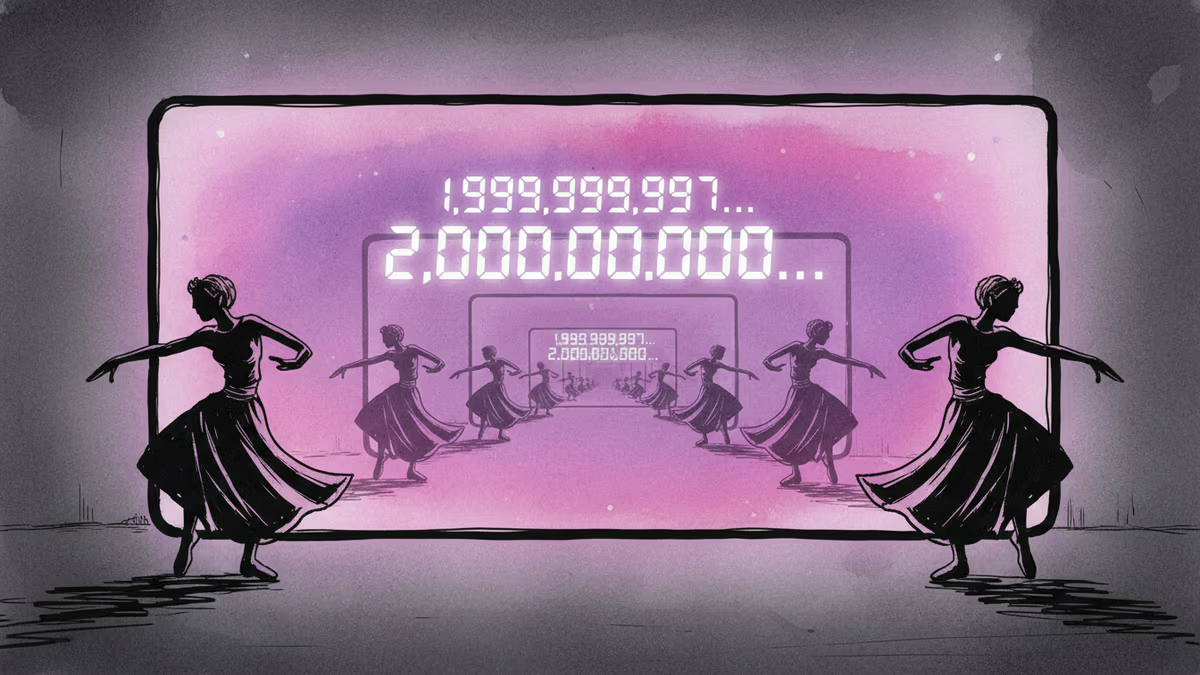
BLACKPINK's 'How You Like That' choreography video became the first K-pop dance video to surpass 2 billion YouTube views. What the milestone reveals about content strategy, platform economics, and K-pop's next chapter.
&TEAM's 'We on Fire' debuted on the Billboard 200 for the first time. Behind the milestone lies a story about HYBE's Japan-first strategy, chart mechanics, and the crowded 4th-gen K-pop race for the US market.
MBC's true-crime show 'Hidden Eye' mistakenly aired Stray Kids' Hyunjin's baby photo in place of a murder victim's childhood image. Five months later, an apology. What does that timeline reveal?
Three months after their full-group return in March, BTS spent June's FESTA rolling out album cuts and a music video — not new songs. Come Over cracked a global top 5 with zero new music behind it. Did the play work?
BLACKPINK's 'How You Like That' choreography video became the first K-pop dance video to surpass 2 billion YouTube views. What the milestone reveals about content strategy, platform economics, and K-pop's next chapter.
&TEAM's 'We on Fire' debuted on the Billboard 200 for the first time. Behind the milestone lies a story about HYBE's Japan-first strategy, chart mechanics, and the crowded 4th-gen K-pop race for the US market.
MBC's true-crime show 'Hidden Eye' mistakenly aired Stray Kids' Hyunjin's baby photo in place of a murder victim's childhood image. Five months later, an apology. What does that timeline reveal?
Thoughts
Share your thoughts on this article
Sign in to join the conversation