
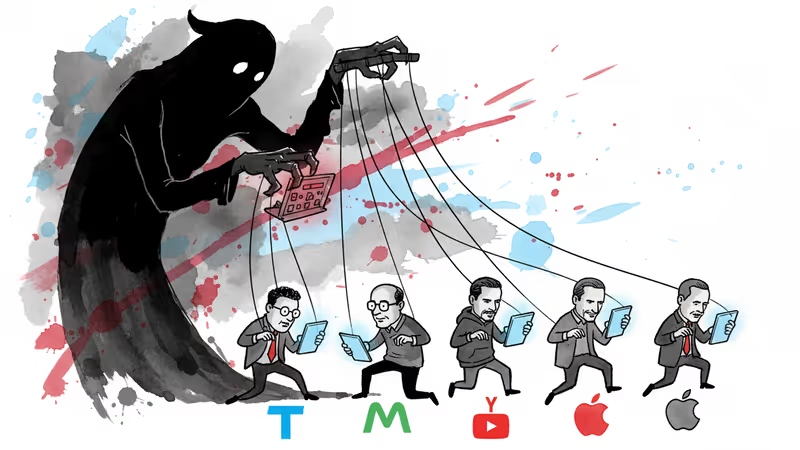
Microsoft Executive's Secret Deal with Jeffrey Epstein
Emails reveal Steven Sinofsky sought Jeffrey Epstein's help with his $14M retirement package and potential Apple job. The hidden networks of Big Tech power players are being exposed.
$14 million. That's what Steven Sinofsky, former head of Microsoft's Windows division, walked away with when he left the company in November 2012. But emails released by the Justice Department on Friday reveal something far more troubling: Sinofsky apparently turned to Jeffrey Epstein for help securing that massive retirement package—and his next career move.
The documents don't just show a business relationship. They expose a web of influence that reached the highest levels of Silicon Valley, with Epstein serving as an unlikely power broker between tech's biggest names.
When Apple's CEO Gets "Excited to Meet"
Just weeks after Microsoft announced Sinofsky's departure, Epstein sent him an email claiming Apple CEO Tim Cook was "excited to meet." But there was a complication: Cook had apparently heard that Sinofsky was starting a company with someone called "farstall"—Epstein's uncertain spelling of what was likely Scott Forstall, Apple's then-iOS chief.
This wasn't casual networking. These emails suggest Epstein wielded real influence in facilitating connections between Silicon Valley's elite. The fact that he could allegedly arrange meetings with Apple's CEO while helping negotiate multimillion-dollar exit packages shows just how deep his reach extended into the tech world.
For context, Sinofsky wasn't just any Microsoft employee. He'd spent 15 years at the company, leading development of Windows 7 and Windows 8, and was considered one of the most powerful executives in Redmond. His sudden departure in 2012 surprised many in the industry—and now we're learning about the behind-the-scenes maneuvering that may have shaped his exit.
The Epstein Network's Tech Tentacles

These revelations add another layer to what we already knew about Epstein's connections to the tech industry. Before his 2019 arrest and subsequent death in jail, Epstein had cultivated relationships with numerous tech luminaries, including Bill Gates. But the Sinofsky emails show something more concrete: Epstein wasn't just collecting famous names—he was actively facilitating business deals and career moves.
The emails mention potential opportunities at Samsung and other companies, suggesting Epstein's influence extended beyond Silicon Valley to global tech giants. This raises uncomfortable questions about how many other high-level personnel decisions in the tech industry may have been influenced by similar informal networks.
What makes this particularly significant is the timing. In 2012, the tech industry was undergoing massive changes. Mobile was reshaping everything, cloud computing was taking off, and companies like Apple, Google, and Microsoft were locked in fierce competition for talent and market share. In this environment, having someone who could open doors at the highest levels would have been incredibly valuable.
The Transparency Problem
Neither Microsoft nor Sinofsky have provided official statements about these revelations. The company has generally tried to distance itself from any Epstein connections, but these emails suggest the relationship between its former executive and the convicted sex offender went deeper than previously known.
This case highlights a broader issue in Big Tech: the role of informal networks in shaping major business decisions. While companies tout their commitment to transparency and ethical business practices, the reality is that much of the industry's most important dealmaking happens through personal relationships and private communications.
For investors, employees, and consumers, this raises serious questions. How many other business relationships and personnel decisions have been influenced by similar networks? And what does it mean for corporate governance when executives are relying on controversial figures for career advice and business introductions?
Authors
Related Articles
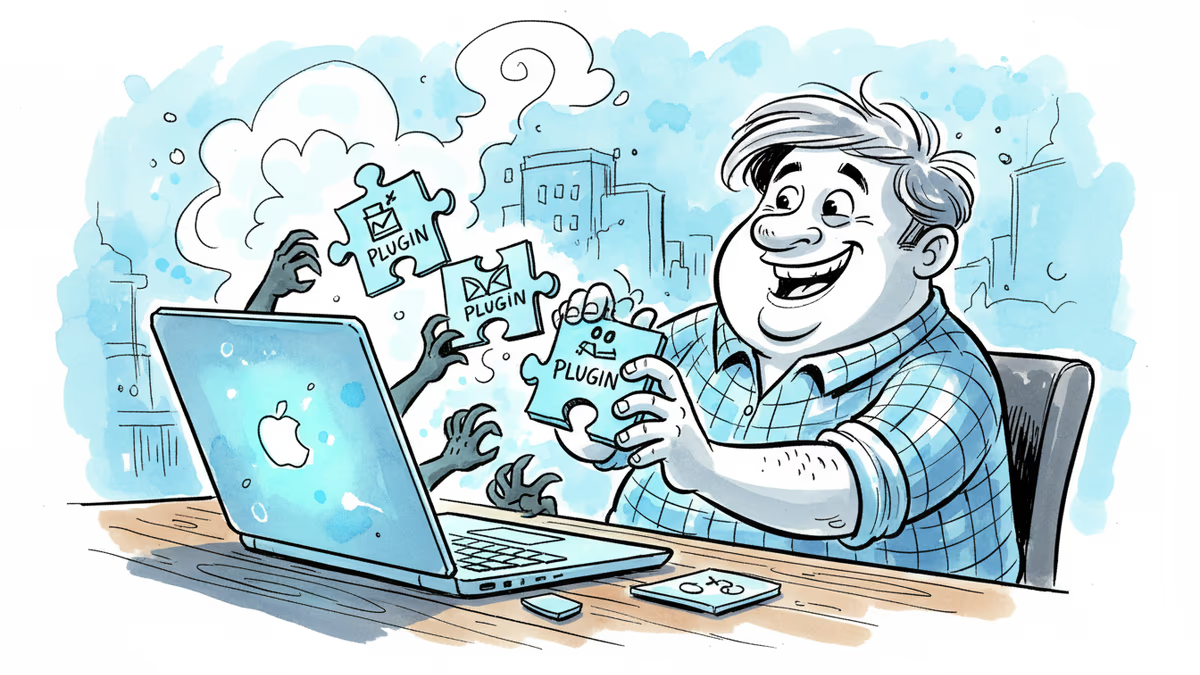
GitHub confirmed hackers stole data from 3,800 internal repositories via a poisoned VS Code extension. Here's why developer tools are now the most dangerous attack surface in tech.
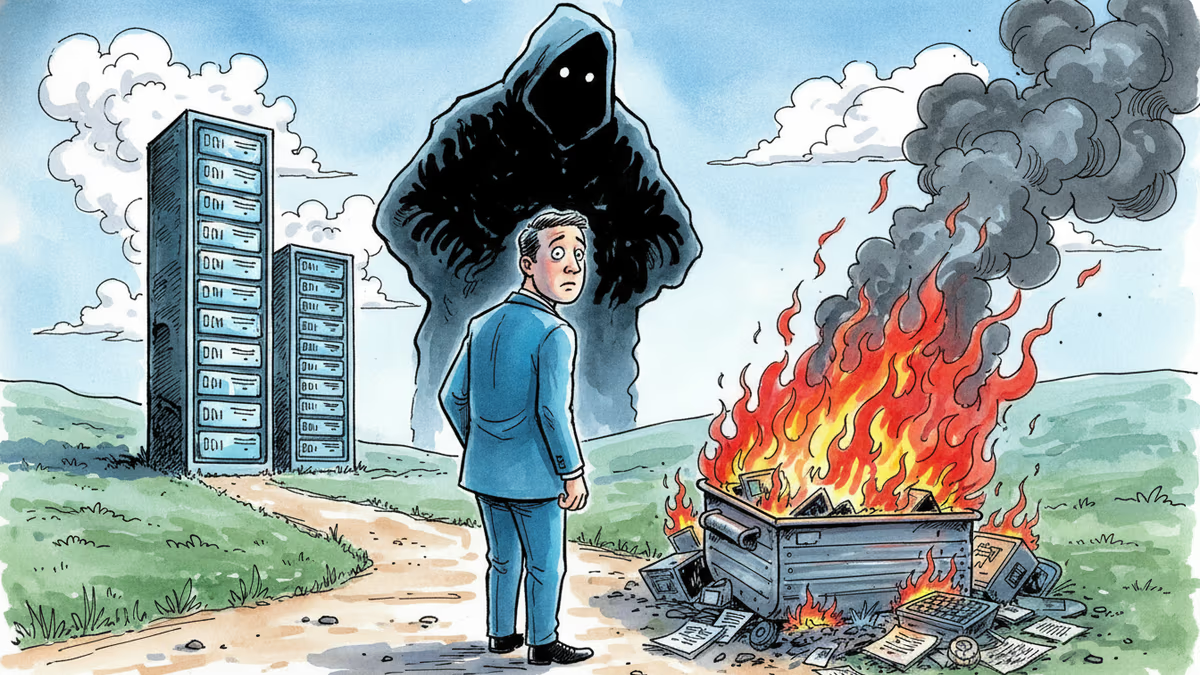
Emails revealed in the Musk v. Altman trial show Microsoft executives were deeply skeptical of OpenAI in 2017–2018. What actually changed their minds?
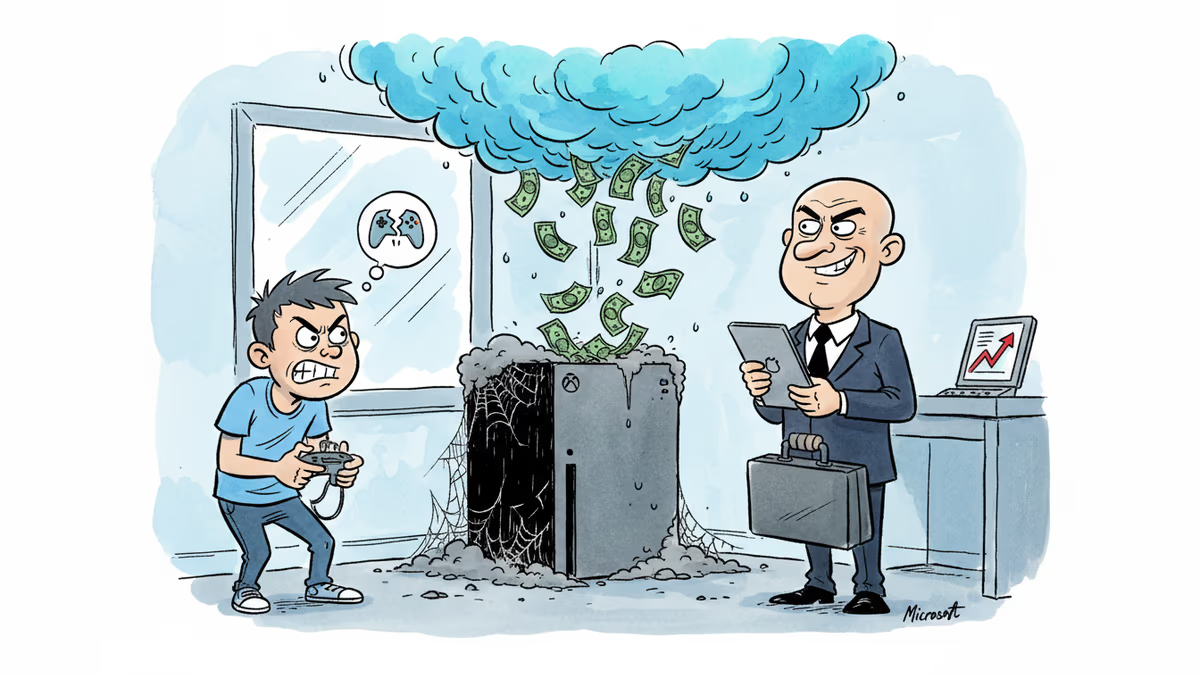
Xbox hardware revenue dropped 33% in Q1 2026, yet Microsoft posted $82.9B in total revenue. What this tells us about the future of gaming—and who actually loses.

Microsoft is letting Windows users delay updates indefinitely — 35 days at a time, as many times as they want. A long-overdue fix, or a security risk hiding in plain sight?
GitHub confirmed hackers stole data from 3,800 internal repositories via a poisoned VS Code extension. Here's why developer tools are now the most dangerous attack surface in tech.
Emails revealed in the Musk v. Altman trial show Microsoft executives were deeply skeptical of OpenAI in 2017–2018. What actually changed their minds?
Xbox hardware revenue dropped 33% in Q1 2026, yet Microsoft posted $82.9B in total revenue. What this tells us about the future of gaming—and who actually loses.
Microsoft is letting Windows users delay updates indefinitely — 35 days at a time, as many times as they want. A long-overdue fix, or a security risk hiding in plain sight?
Thoughts
Share your thoughts on this article
Sign in to join the conversation