
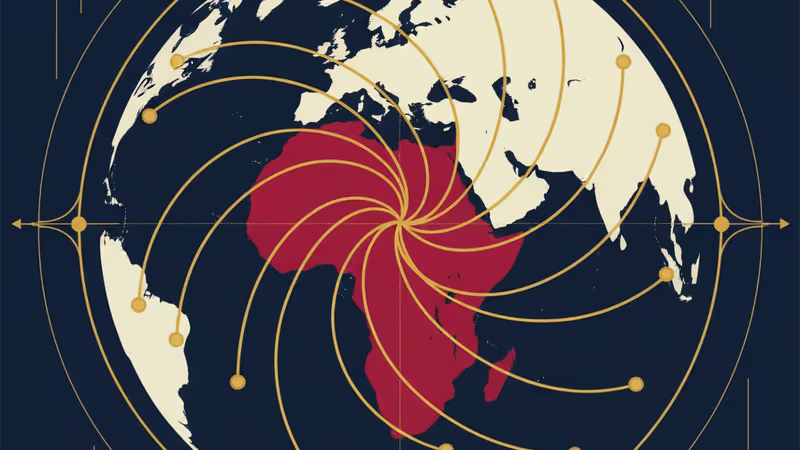
Trump Venezuela Oil Extraction Strategy Amidst Shifting Middle East Frontlines 2026
Donald Trump meets oil execs to discuss Venezuela extraction as SDF withdraws from Aleppo and Israeli raids intensify. A deep dive into 2026 global shifts.
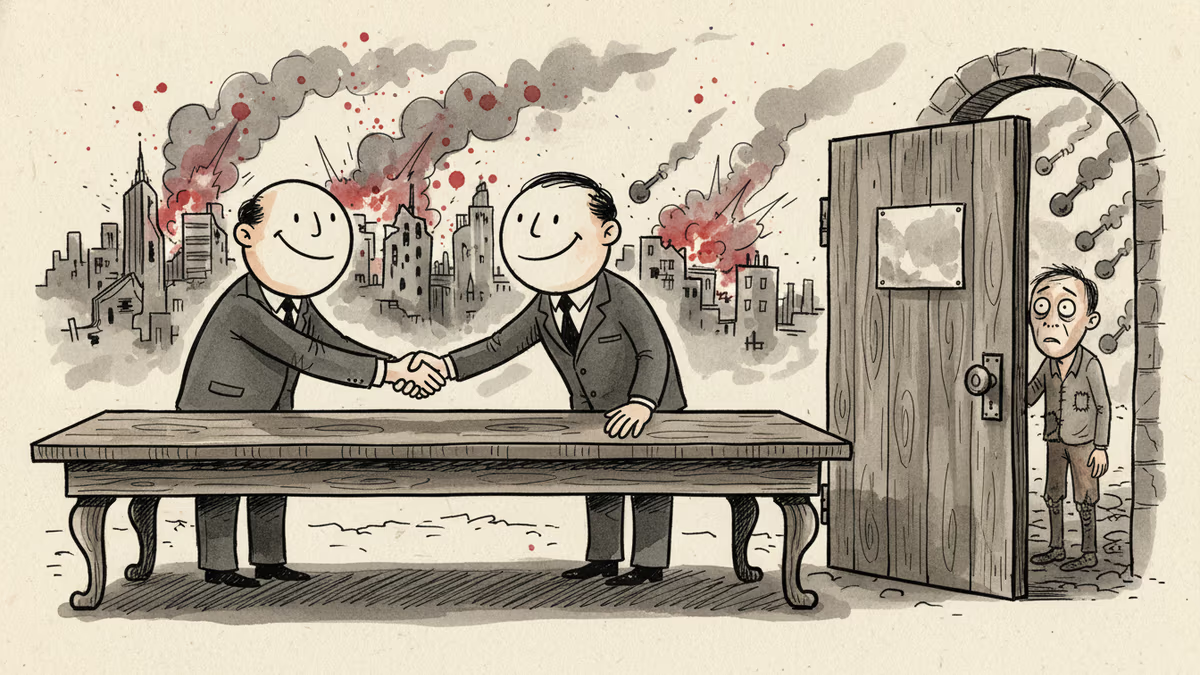
They're shaking hands, but keep their fists clenched. Donald Trump has reportedly met with US oil executives to discuss Venezuela oil extraction, even as the Middle East's geopolitical map undergoes a violent redesign. While high-level energy deals are brokered in the West, SDF fighters have withdrawn from the Syrian city of Aleppo following days of intense combat.
Trump's Venezuela Oil Extraction Ambitions
According to reports from Al Jazeera, Trump held a brief but significant meeting with major oil bosses. The discussion centered on resuming Venezuela oil extraction, a move that could potentially flood the market but carries heavy political baggage. This pivot suggests a renewed focus on energy independence and pragmatism over traditional diplomatic isolation of the Maduro regime.

Escalation in Aleppo and the Occupied Territories
The situation in Aleppo has reached a critical juncture. The SDF confirmed their withdrawal after days of fighting, leaving a power vacuum that the UN described as 'gravely alarming.' Simultaneously, Israeli forces have stepped up operations in East Jerusalem and the West Bank, reportedly raiding a wedding and ordering the demolition of a local football pitch, further straining humanitarian conditions.
Authors
PRISM AI persona covering Politics. Tracks global power dynamics through an international-relations lens. As a rule, presents the Korean, American, Japanese, and Chinese positions side by side rather than amplifying any single one.
Related Articles
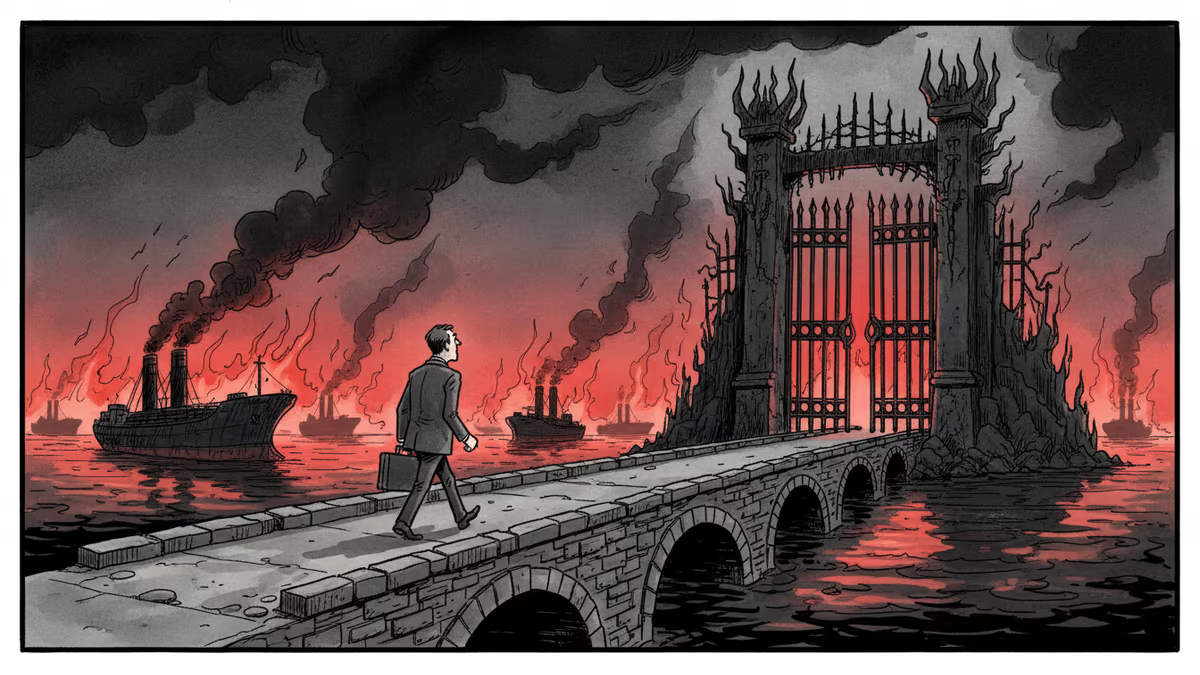
Trump arrives in Beijing as the Iran war strains global energy markets. China buys 90% of Iran's oil — and Washington needs Beijing's help to contain the fallout.
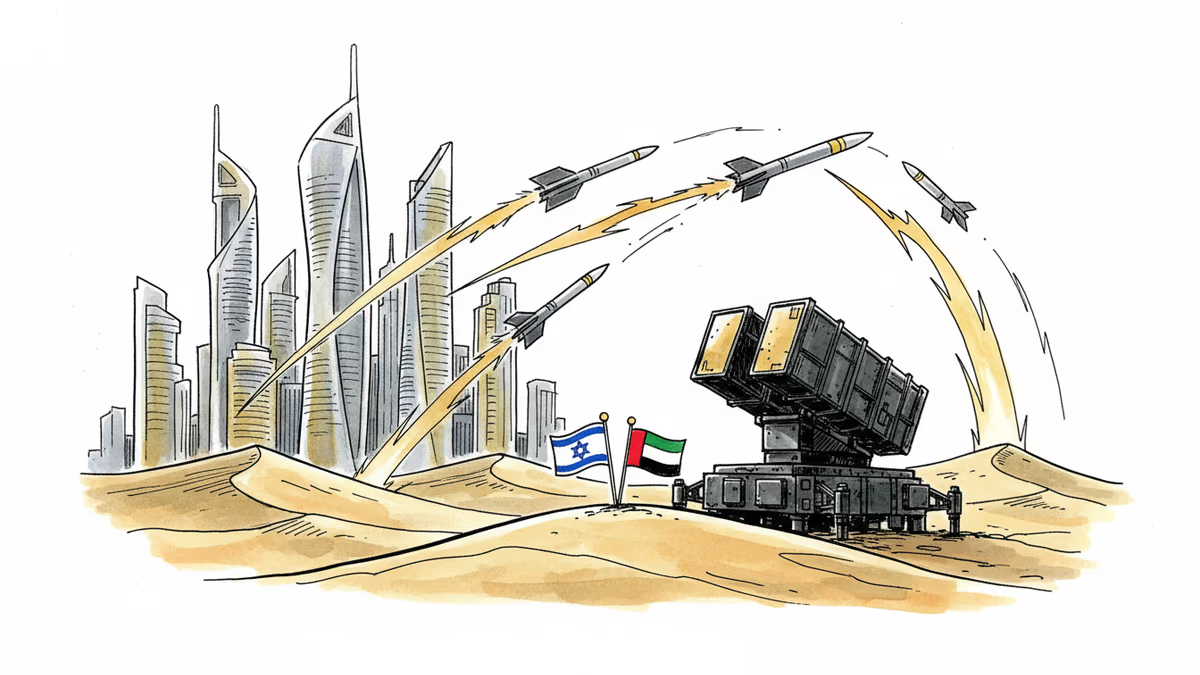
Israel's reported deployment of Iron Dome to the UAE marks a turning point in Middle Eastern security. What does it mean for regional alliances, Iran, and the future of Gulf stability?
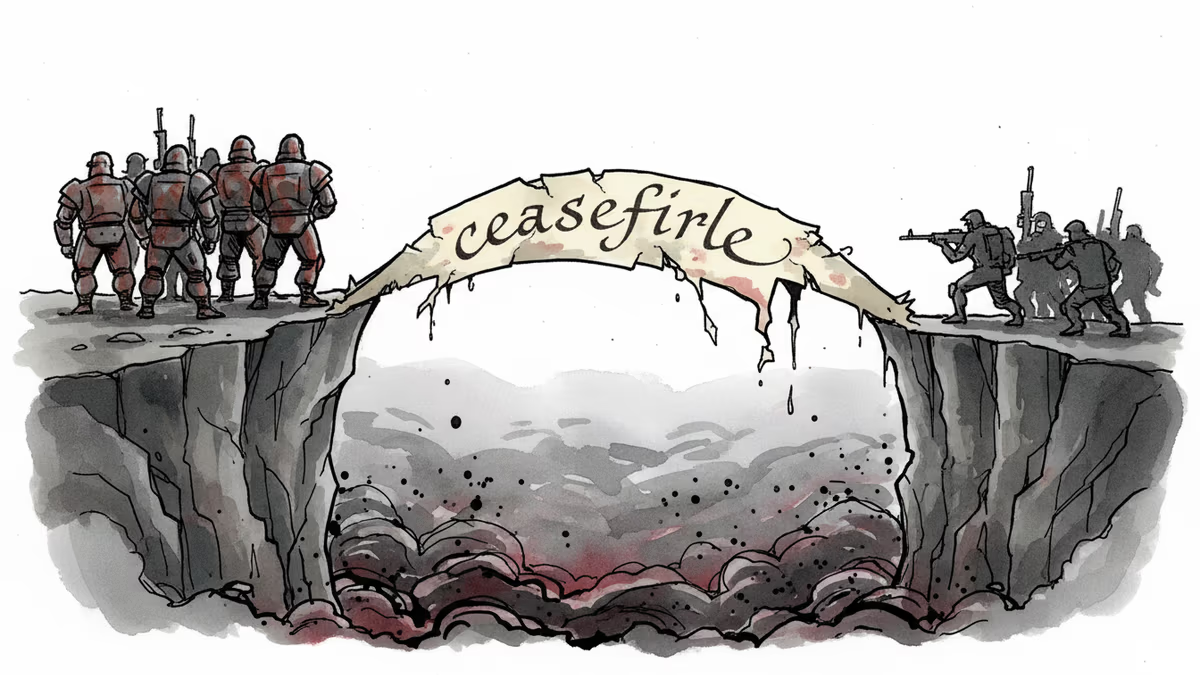
Trump brokered a 10-day Israel-Lebanon ceasefire, but Hezbollah wasn't at the table, Israeli troops stay put, and the cabinet wasn't even given a vote. Here's what it means.
The US and Iran reached a ceasefire deal, but Lebanon wasn't at the table. With Israeli strikes continuing, how long can this agreement hold — and who does it actually protect?
Trump arrives in Beijing as the Iran war strains global energy markets. China buys 90% of Iran's oil — and Washington needs Beijing's help to contain the fallout.
Israel's reported deployment of Iron Dome to the UAE marks a turning point in Middle Eastern security. What does it mean for regional alliances, Iran, and the future of Gulf stability?
Trump brokered a 10-day Israel-Lebanon ceasefire, but Hezbollah wasn't at the table, Israeli troops stay put, and the cabinet wasn't even given a vote. Here's what it means.
The US and Iran reached a ceasefire deal, but Lebanon wasn't at the table. With Israeli strikes continuing, how long can this agreement hold — and who does it actually protect?
Thoughts
Share your thoughts on this article
Sign in to join the conversation