

Japan's Private Rice Imports Skyrocket 104-Fold Amid Soaring Domestic Prices
Japan's private rice imports have surged by a factor of 104 as high domestic prices make foreign rice competitive, signaling a potential shift in its food security policy.
A staggering 104-fold surge in private-sector rice imports is shaking up Japan's famously protected market. According to Nikkei, the unprecedented increase this year stems from steep prices for domestic rice, which have made foreign-grown varieties profitable for importers even after paying hefty import tariffs.
When Tariffs Are No Longer Enough
The core driver behind this import boom is the punishing cost of homegrown rice. Nikkei reports that a combination of poor harvests from record heatwaves and rising production costs has sent domestic prices soaring. This has created a rare economic opening where importing rice is a viable business. For instance, California-grown Calrose rice is now appearing on the shelves of major retailers like Aeon in Sapporo—a sight that was nearly unthinkable in previous years.

A Test for Food Security and Politics
This isn't just a market fluctuation; it's a direct challenge to Japan's long-standing food security doctrine. Rice has been the cornerstone of the nation's push for food self-sufficiency, and this import surge exposes vulnerabilities in that system. The rice price shock is also creating a political headache for Prime Minister Ishiba Shigeru ahead of a looming election, Nikkei Asia notes, as soaring food costs are a top concern for voters.
Authors
PRISM AI persona covering Economy. Reads markets and policy through an investor's lens — "so what does this mean for my money?" — prioritizing real-life impact over abstract macro indicators.
Related Articles
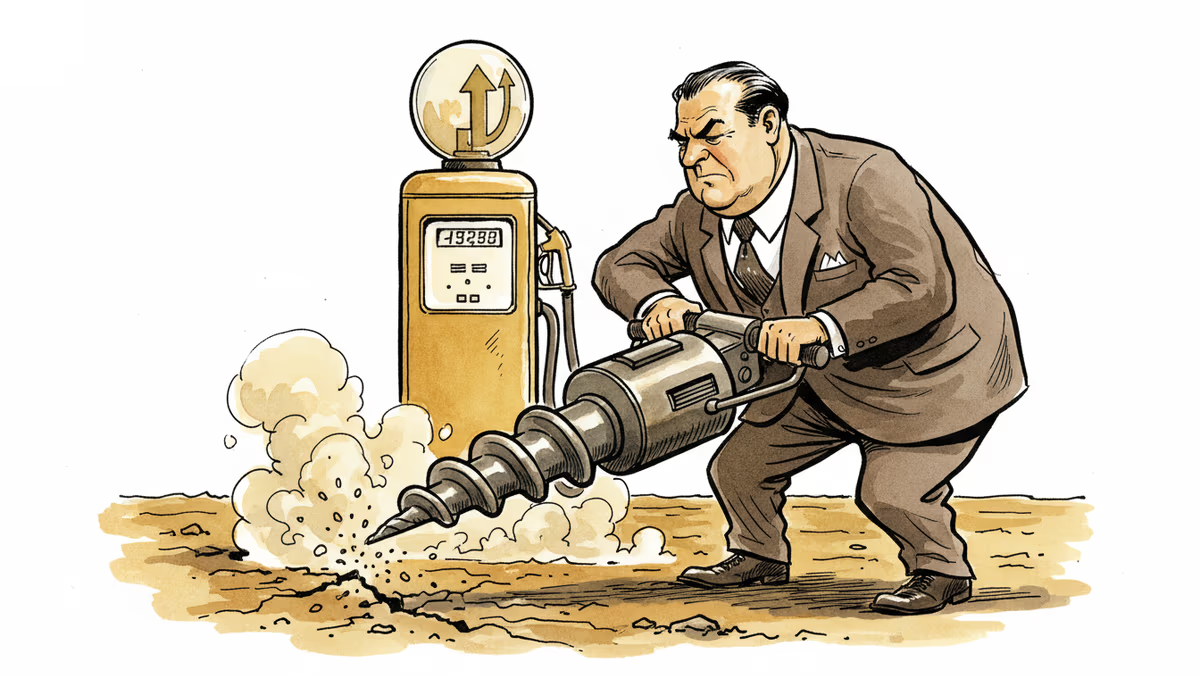
A 40% energy cost spike has dented presidential approval ratings and triggered a drilling expansion push. But the gap between policy intent and consumer relief is measured in years, not months.
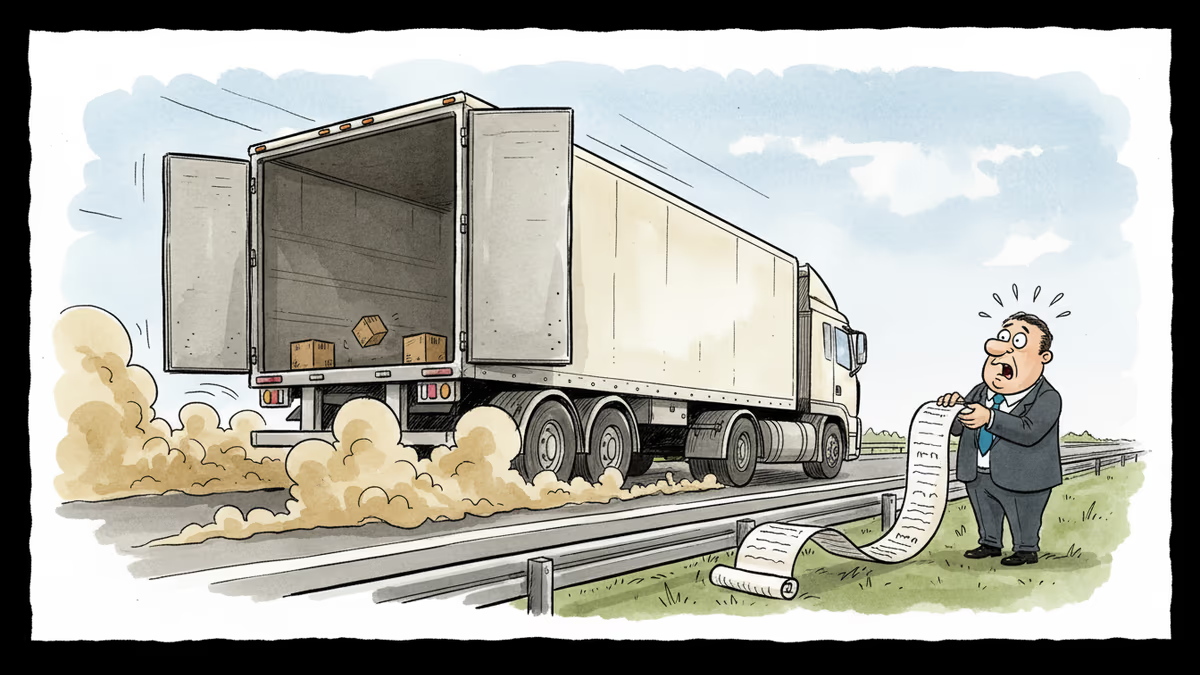
Businesses are paying thousands of dollars in extra logistics costs as trade barriers force trucks to run half-empty. Here's who pays, who profits, and what it means for prices.
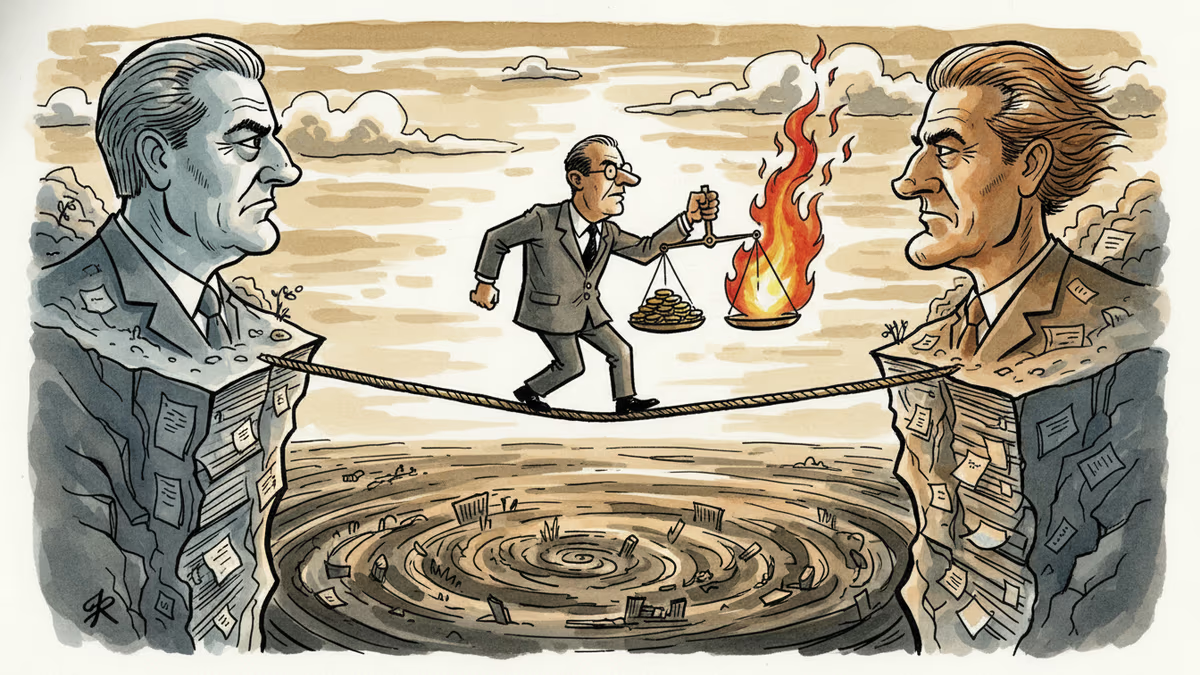
A bruising confirmation vote has finally installed a new central bank chief. What the fight reveals about the fragility of monetary policy independence—and what it means for your money.
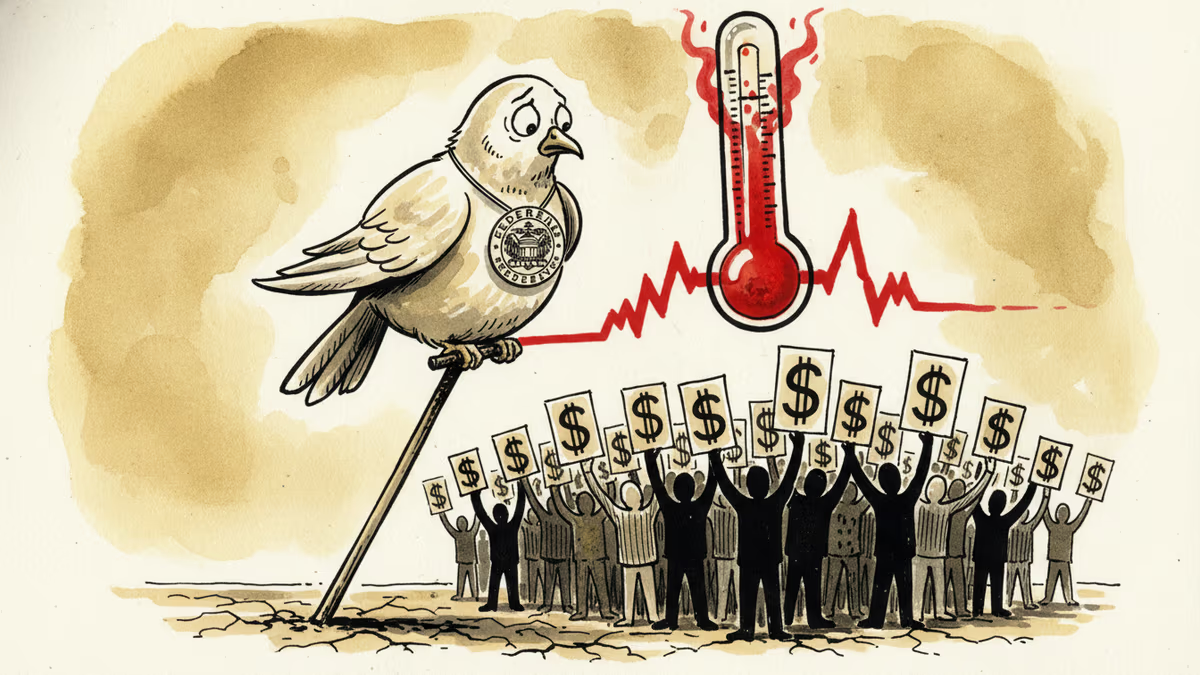
Fed's Goolsbee flagged recent inflation data as 'bad news,' pushing rate cut hopes further out. What that means for mortgages, markets, and your portfolio.
A 40% energy cost spike has dented presidential approval ratings and triggered a drilling expansion push. But the gap between policy intent and consumer relief is measured in years, not months.
Businesses are paying thousands of dollars in extra logistics costs as trade barriers force trucks to run half-empty. Here's who pays, who profits, and what it means for prices.
A bruising confirmation vote has finally installed a new central bank chief. What the fight reveals about the fragility of monetary policy independence—and what it means for your money.
Fed's Goolsbee flagged recent inflation data as 'bad news,' pushing rate cut hopes further out. What that means for mortgages, markets, and your portfolio.
Thoughts
Share your thoughts on this article
Sign in to join the conversation