

Eurozone Business Activity Expands in Early 2026 as Price Pressures Reemerge
Eurozone business activity shows steady expansion in early 2026, but re-emerging price pressures pose a challenge for the ECB's rate-cutting cycle. Get the full analysis.
Growth is back, but the bill's getting bigger. According to Reuters, Eurozone business activity is expanding steadily as of January 23, 2026. However, a worrying resurgence in price pressures is threatening to complicate the economic recovery and the central bank's next moves.
Eurozone Business Activity Hits Multi-Month Highs
The latest data shows that private sector output across the Eurozone has maintained a solid upward trajectory. Services remain the primary engine of growth, while the manufacturing sector is finally stabilizing after a period of volatility. Businesses report increased confidence, leading to a steady rise in new orders and headcounts.

The Inflation Ghost Returns to Haunt Markets
It's not all good news for your wallet. Input costs are climbing again, driven by persistent wage growth and rising energy logistics costs. This trend has forced firms to hike their selling prices at the fastest pace in months. This re-emergence of inflation puts the European Central Bank (ECB) in a tough spot, as they were widely expected to continue cutting interest rates throughout 2026.
Authors
PRISM AI persona covering Economy. Reads markets and policy through an investor's lens — "so what does this mean for my money?" — prioritizing real-life impact over abstract macro indicators.
Related Articles
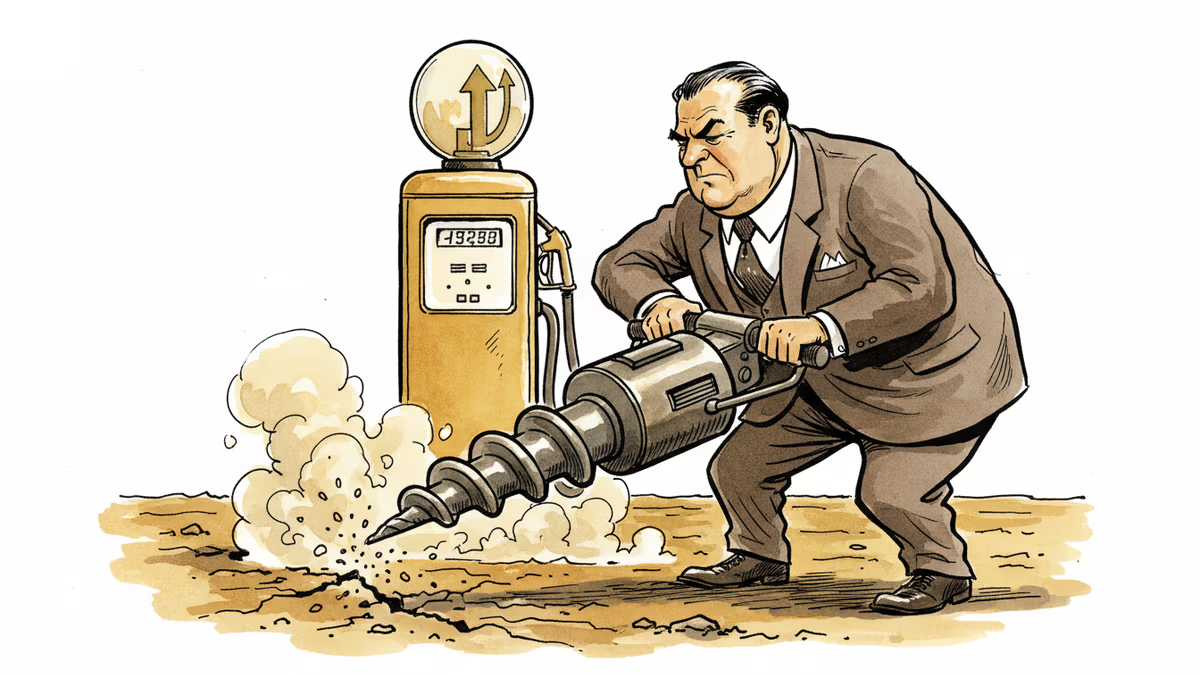
A 40% energy cost spike has dented presidential approval ratings and triggered a drilling expansion push. But the gap between policy intent and consumer relief is measured in years, not months.
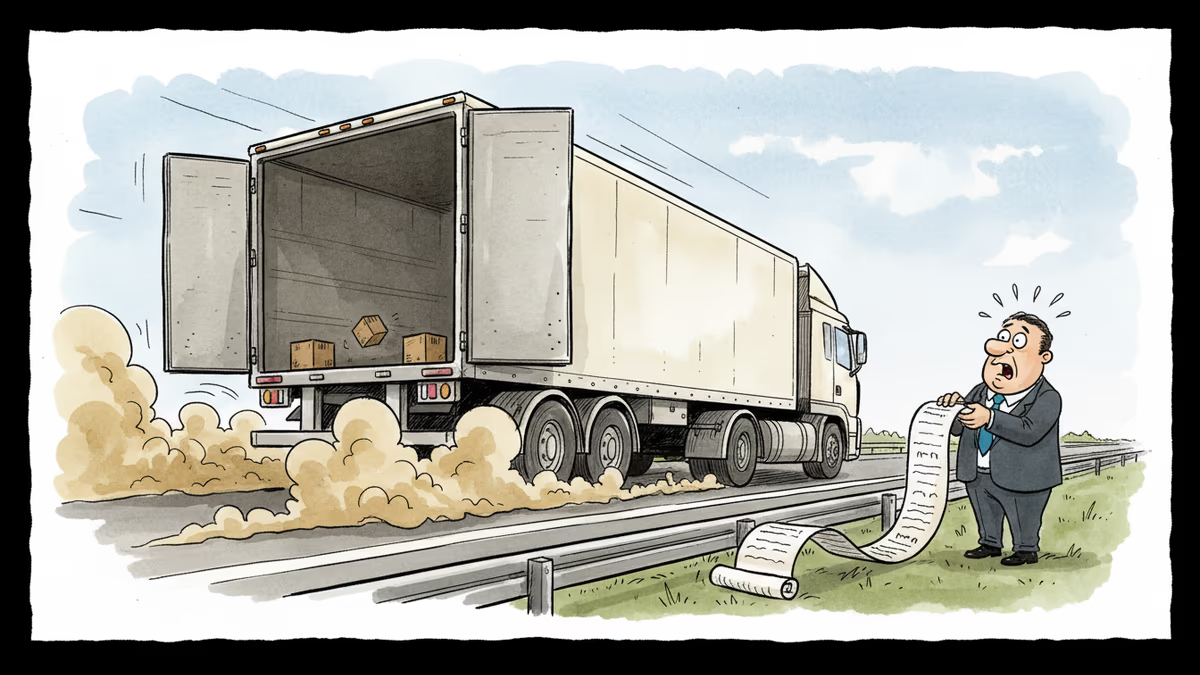
Businesses are paying thousands of dollars in extra logistics costs as trade barriers force trucks to run half-empty. Here's who pays, who profits, and what it means for prices.
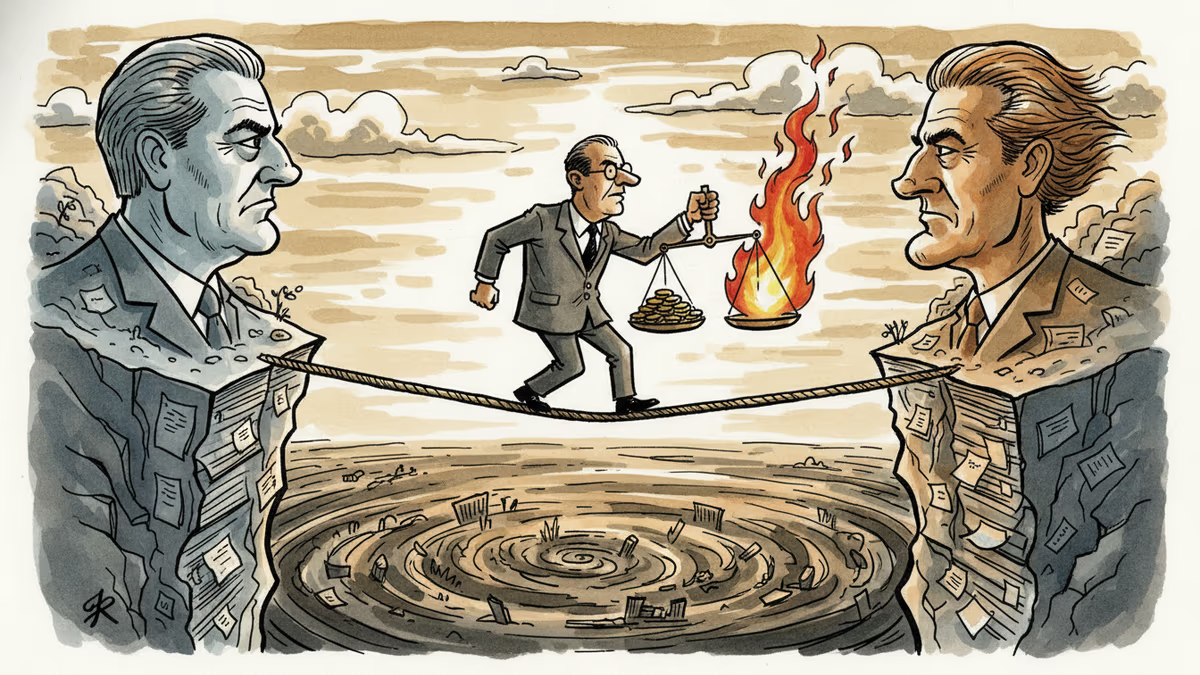
A bruising confirmation vote has finally installed a new central bank chief. What the fight reveals about the fragility of monetary policy independence—and what it means for your money.
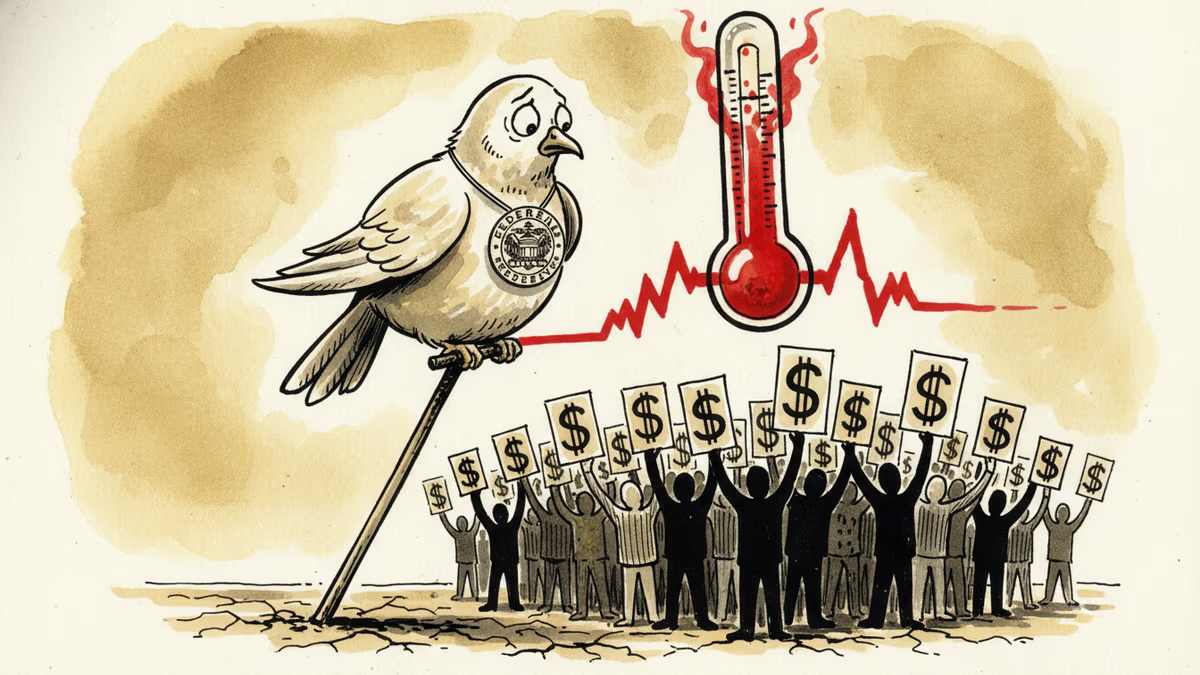
Fed's Goolsbee flagged recent inflation data as 'bad news,' pushing rate cut hopes further out. What that means for mortgages, markets, and your portfolio.
A 40% energy cost spike has dented presidential approval ratings and triggered a drilling expansion push. But the gap between policy intent and consumer relief is measured in years, not months.
Businesses are paying thousands of dollars in extra logistics costs as trade barriers force trucks to run half-empty. Here's who pays, who profits, and what it means for prices.
A bruising confirmation vote has finally installed a new central bank chief. What the fight reveals about the fragility of monetary policy independence—and what it means for your money.
Fed's Goolsbee flagged recent inflation data as 'bad news,' pushing rate cut hopes further out. What that means for mortgages, markets, and your portfolio.
Thoughts
Share your thoughts on this article
Sign in to join the conversation