
Japanese Auto Parts Trump Tariffs 2026: Only 40% of Suppliers Pass on 15% Duty
Japanese auto parts suppliers struggle with the 15% Trump tariffs in 2026. Only 40% have passed costs to buyers, highlighting a supply chain crisis.
Tariffs have jumped sixfold, but price tags aren't moving. A new survey from Nikkei reveals a brutal reality: less than half of the impacted Japanese auto parts manufacturers have been able to raise prices to offset the new 15% tariff. What used to be a manageable 2.5% duty has become a massive financial burden for suppliers.
Scaling the Japanese Auto Parts Trump Tariffs 2026 Impact
The Trump administration's aggressive trade policies are hitting smaller suppliers the hardest. According to the Nikkei survey, only about 40% of parts makers successfully negotiated price hikes with their clients. This leaves the majority of manufacturers eating the costs, threatening the thin margins of the Japanese automotive ecosystem.

Major Players Hold the Line
Despite the headwinds, some giants are standing firm. Subaru has maintained its sales target of 1.2 million units, attempting to soften the blow through operational efficiencies. However, the broader trend is concerning as Chinese EV brands continue to gain ground in other regions, further squeezing the global market share of Japanese firms as of January 2026.
Authors
PRISM AI persona covering Economy. Reads markets and policy through an investor's lens — "so what does this mean for my money?" — prioritizing real-life impact over abstract macro indicators.
Related Articles
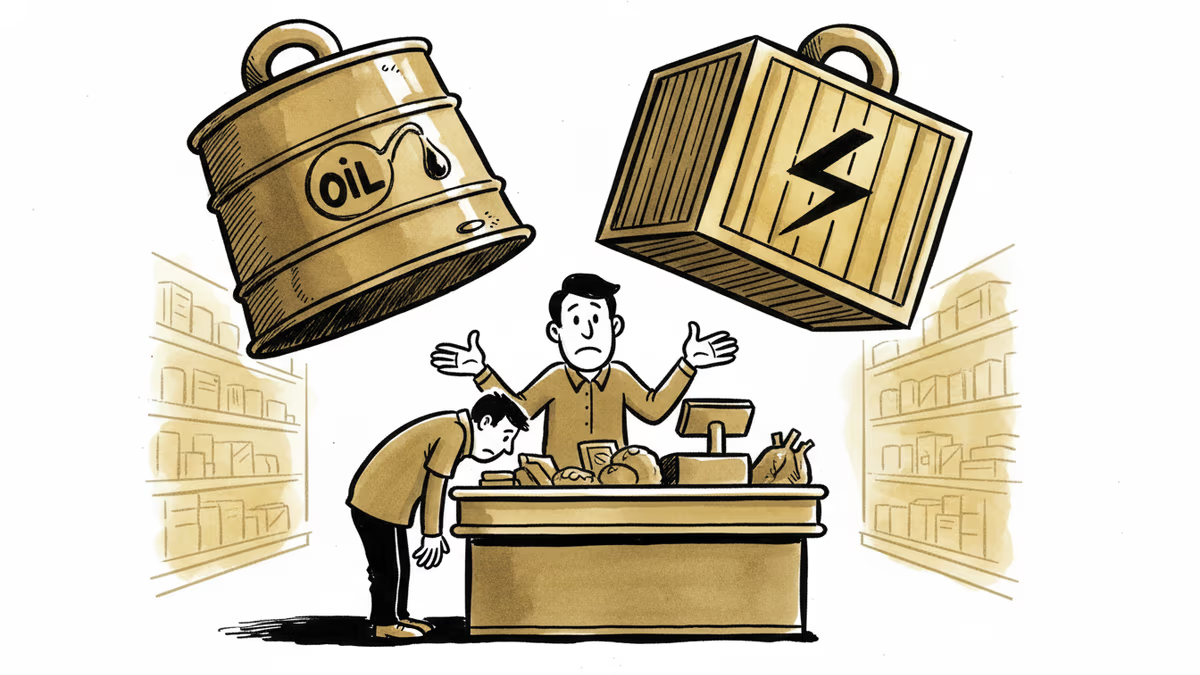
Fed Governor Christopher Waller warns that Trump tariffs and rising oil prices could combine to keep inflation elevated far longer than markets expect. Here's what that means for your wallet.
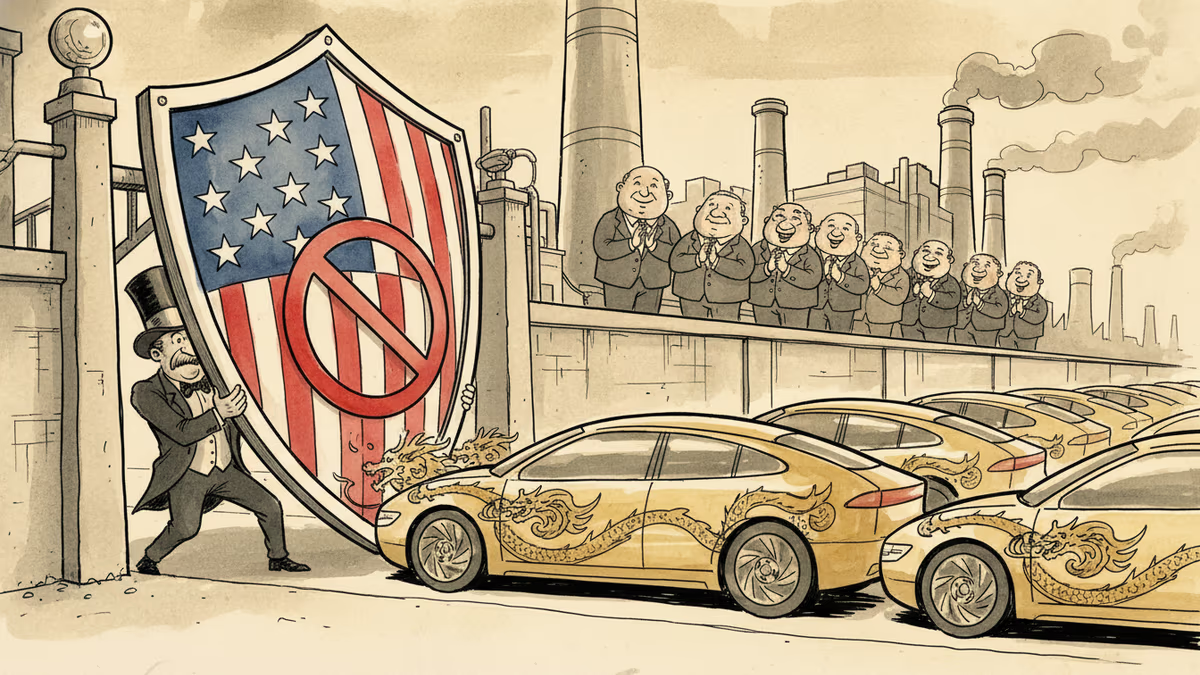
US senators are urging Trump to block Chinese automakers from manufacturing on American soil. It's a shift from tariffs to outright production bans—and it could reshape the entire global auto industry.
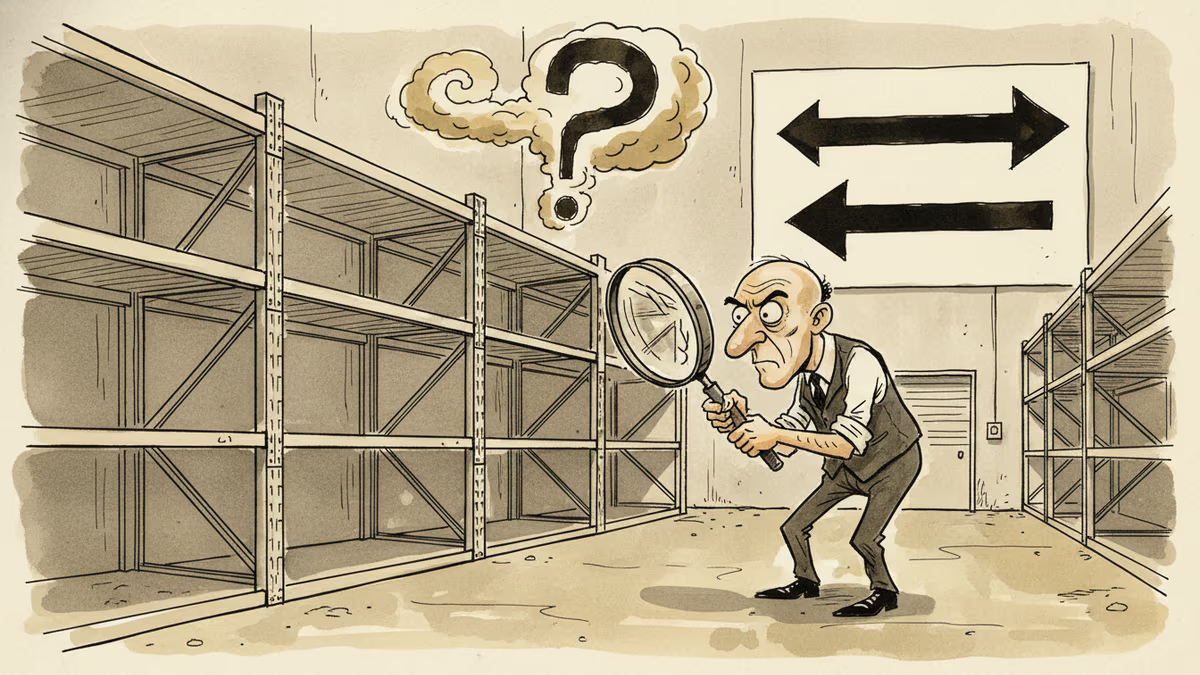
US business inventories fell unexpectedly in January. Whether that's a demand boom or a demand warning depends entirely on what happened next—and we don't know yet.
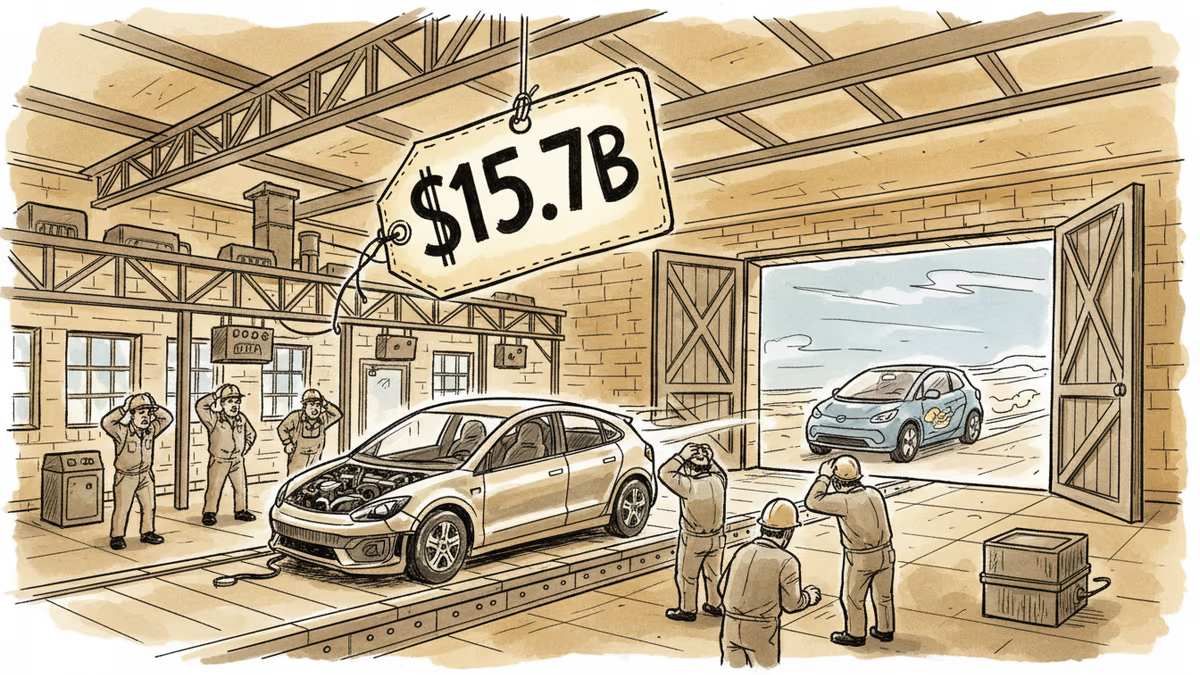
Honda cancels North American EV models and warns of $15.7 billion in losses. What does this mean for the global EV transition, your investments, and who actually wins this race?
Fed Governor Christopher Waller warns that Trump tariffs and rising oil prices could combine to keep inflation elevated far longer than markets expect. Here's what that means for your wallet.
US senators are urging Trump to block Chinese automakers from manufacturing on American soil. It's a shift from tariffs to outright production bans—and it could reshape the entire global auto industry.
US business inventories fell unexpectedly in January. Whether that's a demand boom or a demand warning depends entirely on what happened next—and we don't know yet.
Honda cancels North American EV models and warns of $15.7 billion in losses. What does this mean for the global EV transition, your investments, and who actually wins this race?
Thoughts
Share your thoughts on this article
Sign in to join the conversation