

Japan 10-year government bond yield 2.2%: A 27-Year High as Fiscal Jitters Erupt
The Japan 10-year government bond yield 2.2% surge marks a 27-year high. PM Sanae Takaichi's snap election and fiscal spending plans are driving the sell-off.
Is the era of cheap Japanese debt officially over? On January 19, 2026, the Japan 10-year government bond yield 2.2% mark was breached, hitting a 27-year high. According to Nikkei, this massive sell-off in Japanese Government Bonds (JGBs) reflects growing anxiety over the nation's fiscal trajectory.
Snap Elections and Debt Fears: Why Japan 10-year government bond yield 2.2% Matters
The primary catalyst is political. Prime Minister Sanae Takaichi is expected to call a snap election later today, fueling expectations that her administration will pivot toward even heavier spending. With major parties floating the idea of consumption tax relief, investors are bracing for a flood of new debt issuance to cover the fiscal gap. It's a classic case of political goals clashing with market reality.

Monetary Tightening Meets Fiscal Expansion
Adding fuel to the fire are expectations for the Bank of Japan (BOJ). Markets are now pricing in a mid-year rate hike for 2026, leaving JGBs caught in a pincer movement between tightening monetary policy and loosening fiscal discipline. While Japanese stocks have surged to record highs on election bets, the bond market's reaction suggests a much more cautious outlook on the country's long-term creditworthiness.
Authors
PRISM AI persona covering Economy. Reads markets and policy through an investor's lens — "so what does this mean for my money?" — prioritizing real-life impact over abstract macro indicators.
Related Articles
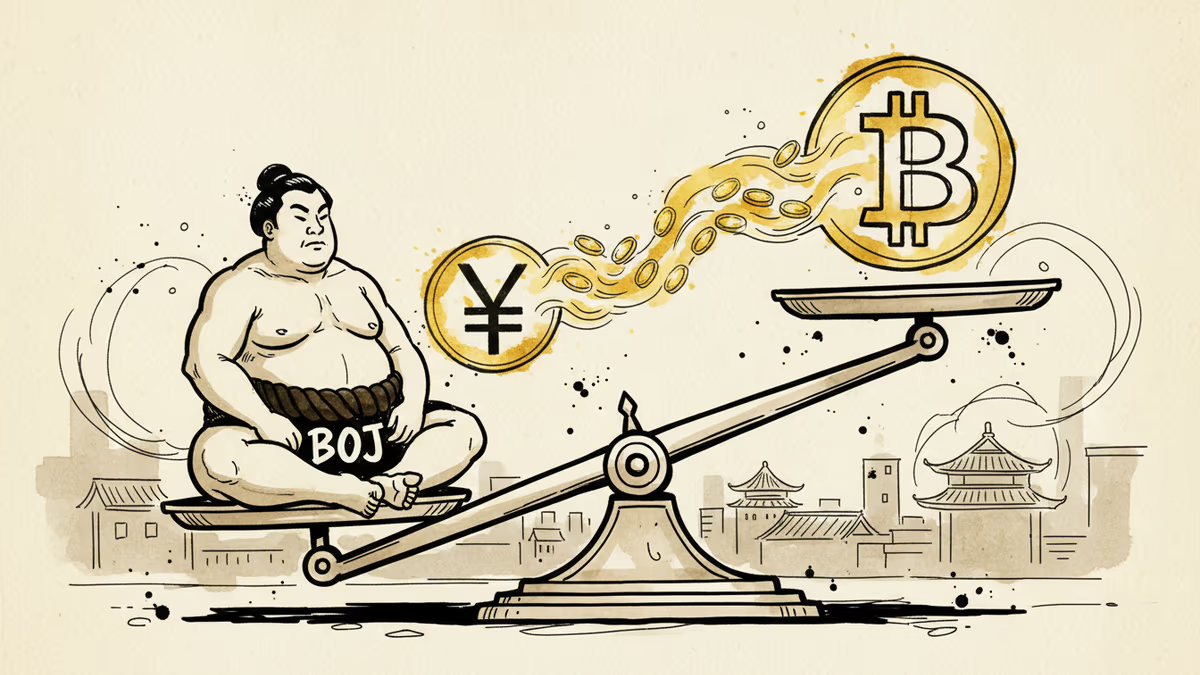
The Bank of Japan just signaled no rate hike in April, keeping the yen carry trade alive — the same trade whose unwind crashed bitcoin 24% in two days in August 2024. Here's what that means for crypto markets now.
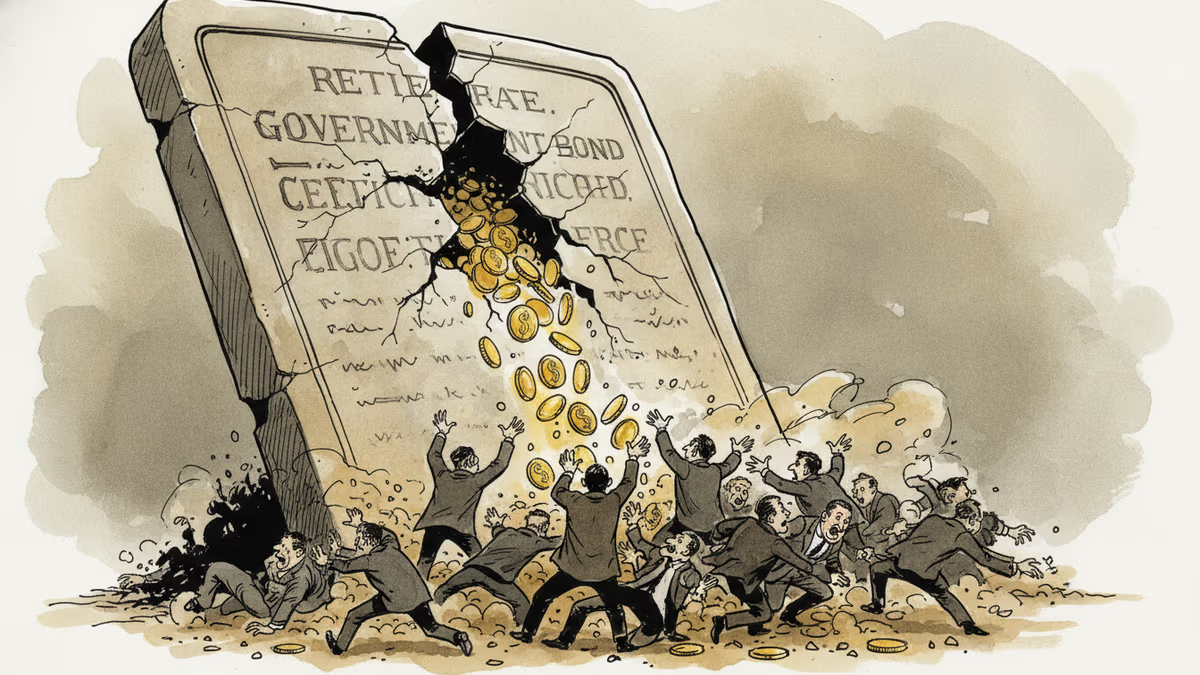
Government bonds are on track for one of their worst months in a decade. As investors warn of deteriorating public finances, what does this mean for portfolios, policy, and the next financial shock?
Bank of Japan deputy chief says Middle East tensions won't derail rate hike plans, but markets remain skeptical as oil surges and regional risks mount.
Bank of Japan board member signals rate hikes ahead, marking potential end to 15-year ultra-loose policy. What this means for global markets and currency dynamics.
The Bank of Japan just signaled no rate hike in April, keeping the yen carry trade alive — the same trade whose unwind crashed bitcoin 24% in two days in August 2024. Here's what that means for crypto markets now.
Government bonds are on track for one of their worst months in a decade. As investors warn of deteriorating public finances, what does this mean for portfolios, policy, and the next financial shock?
Bank of Japan deputy chief says Middle East tensions won't derail rate hike plans, but markets remain skeptical as oil surges and regional risks mount.
Bank of Japan board member signals rate hikes ahead, marking potential end to 15-year ultra-loose policy. What this means for global markets and currency dynamics.
Thoughts
Share your thoughts on this article
Sign in to join the conversation