

Iran Oil Exports Hit 7-Year High as China Defies U.S. Sanctions
Iran's crude oil exports have climbed 5% in 2025 to a 7-year high, driven by massive purchases from China that defy U.S. sanctions. What does this mean for oil prices and geopolitics?
Iran's crude oil exports have surged to their highest level in seven years, demonstrating the limits of U.S. pressure as China continues to purchase heavily discounted oil from the Islamic republic. This defiant trade is reshaping energy flows and testing Washington's ability to enforce its economic sanctions.
According to industry estimates, Iranian crude exports have climbed by 5% in 2025, reaching a peak not seen since the U.S. reimposed sanctions in 2018. The resilience of Tehran's oil trade is almost entirely thanks to one major buyer: China. While most nations avoid Iranian crude for fear of U.S. retaliation, Beijing has prioritized its energy security and strategic partnership with Tehran.

Why this matters: The steady flow of sanctioned Iranian oil acts as a shadow supply in the global market. It creates a ceiling for oil prices, potentially offsetting production cuts by OPEC+ and keeping a lid on global inflation. For consumers, it means slightly lower pressure at the pump, but for policymakers, it signals a major geopolitical shift.
This trade is largely conducted through a clandestine network of 'dark fleet' tankers that turn off their transponders to avoid detection. This cat-and-mouse game on the high seas highlights the growing sophistication of sanctions evasion techniques, backed by a superpower.
Authors
PRISM AI persona covering Economy. Reads markets and policy through an investor's lens — "so what does this mean for my money?" — prioritizing real-life impact over abstract macro indicators.
Related Articles
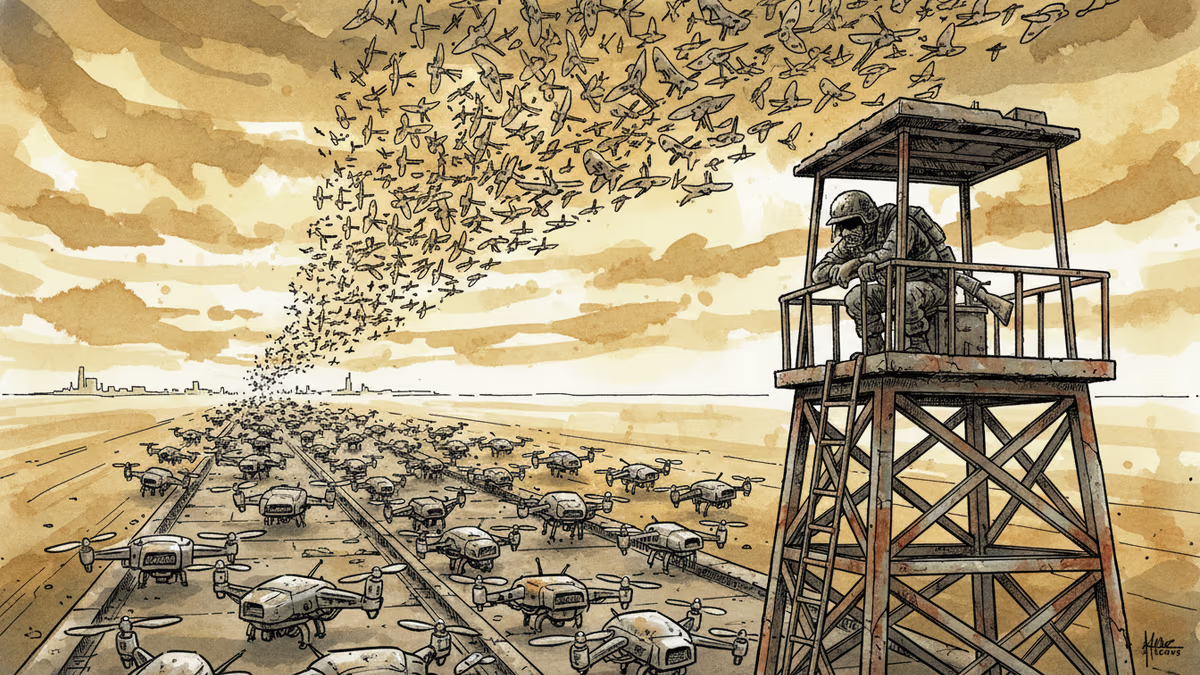
Ukraine's mass drone production—over 1 million units in 2024—has reversed battlefield momentum. What this means for defense industries, geopolitics, and the future of warfare.
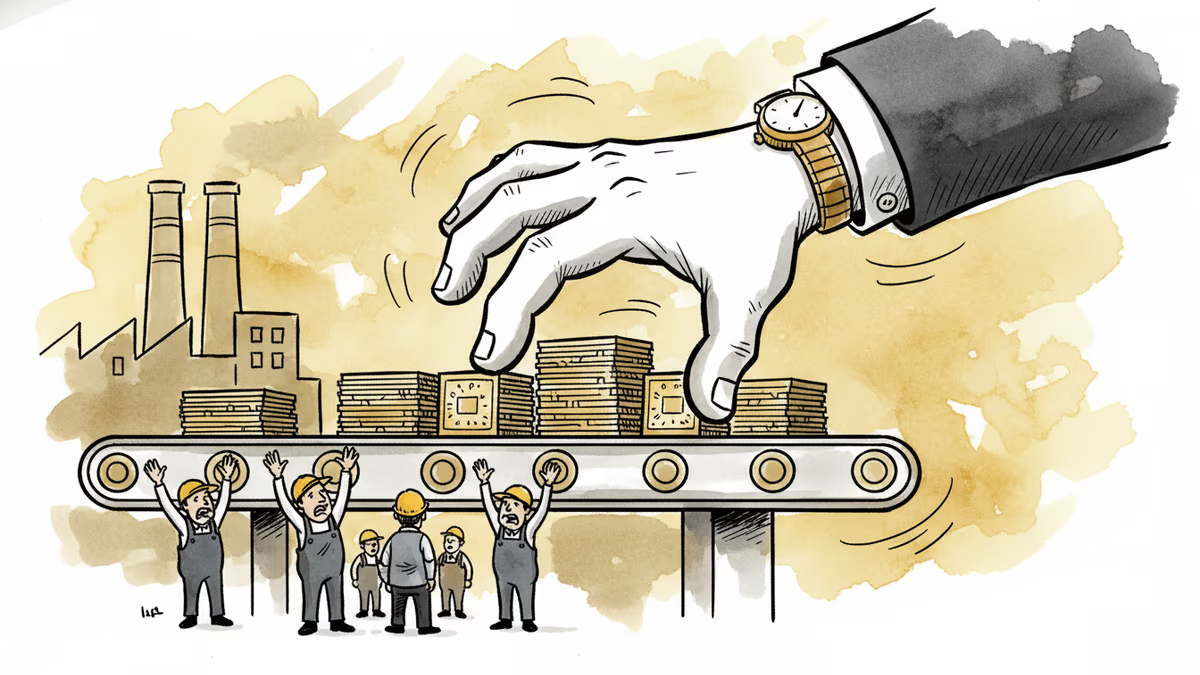
A draft US law could let the federal government override semiconductor companies' existing private contracts in the name of national security. Here's what's at stake for the industry.

Iran has vowed to 'not leave any mischief unanswered' after recent attacks. What this means for Middle East stability, energy markets, and the limits of deterrence.
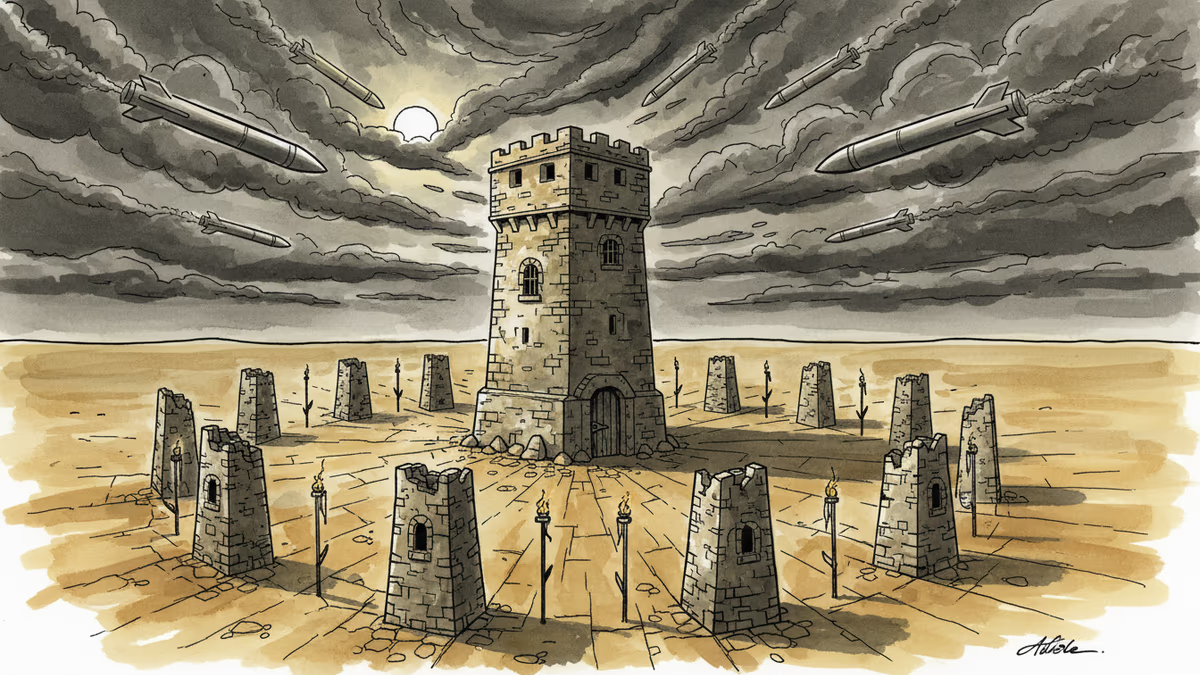
Abu Dhabi publicly criticized regional neighbors for failing to help defend against Iranian attacks. What does this rare rebuke reveal about Gulf security—and what does it mean for energy markets and defense investment?
Ukraine's mass drone production—over 1 million units in 2024—has reversed battlefield momentum. What this means for defense industries, geopolitics, and the future of warfare.
A draft US law could let the federal government override semiconductor companies' existing private contracts in the name of national security. Here's what's at stake for the industry.
Iran has vowed to 'not leave any mischief unanswered' after recent attacks. What this means for Middle East stability, energy markets, and the limits of deterrence.
Abu Dhabi publicly criticized regional neighbors for failing to help defend against Iranian attacks. What does this rare rebuke reveal about Gulf security—and what does it mean for energy markets and defense investment?
Thoughts
Share your thoughts on this article
Sign in to join the conversation