
Japan's Calculated Silence on Iran Strikes
Iran's ambassador urges Japan to condemn US-Israeli strikes, but Tokyo remains the only G7 nation avoiding a clear stance. Energy security vs alliance loyalty creates diplomatic dilemma.
80% of Japan's crude oil comes from the Middle East. Yet when Iran's ambassador pleaded for Japan to "decisively confront" US-Israeli strikes on March 3rd, Tokyo's response was deafening silence.
Iranian Ambassador Peiman Seadat held up a photo of late Prime Minister Shinzo Abe during his Tokyo press conference, declaring that Abe had shown the way to a "peaceful solution" between the US and Iran. The symbolism was clear: Japan once played mediator. Why not now?
The Lonely Middle Ground
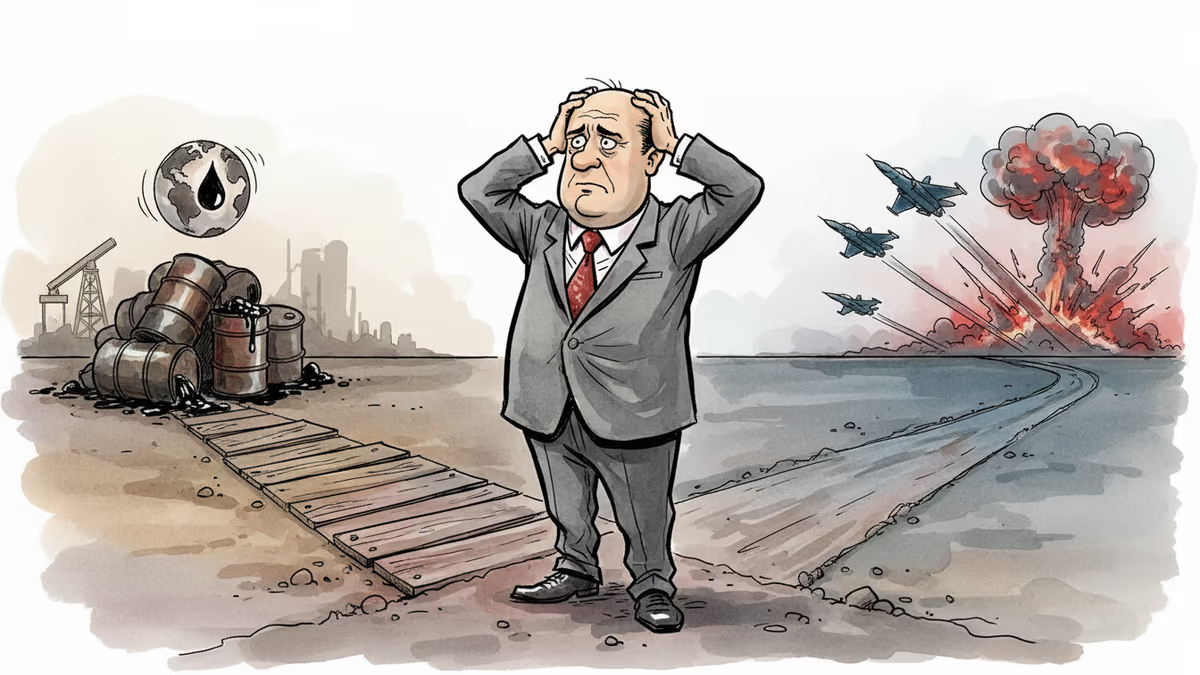
While fellow G7 members—the US, UK, France, and Germany—have taken clear positions on the Iran strikes, Japan clings to diplomatic speak: "closely monitoring the situation." This isn't indecision; it's calculated ambiguity.
Japan faces an impossible choice. Condemn the strikes and risk alienating its most crucial ally. Support them and jeopardize energy supplies that keep its economy running. With the Strait of Hormuz potentially in Iran's crosshairs, Japan can't afford to make enemies of either side.

Abe's Ghost and Today's Reality
The ambassador's reference to Abe wasn't random. In 2019, Abe became the first Japanese leader to visit Iran in 40 years, meeting Supreme Leader Ali Khamenei in a bid to ease US-Iran tensions. The mission largely failed, but it established Japan as a potential bridge-builder.
Today's stakes are higher. Oil prices have surged, Iran threatens maritime chokepoints, and the conflict shows no signs of de-escalation. Japan's energy vulnerability—importing nearly all its oil—makes neutrality both necessary and precarious.
The Price of Pragmatism
Japan's silence reflects a broader trend: middle powers caught between great power competition. Unlike European allies who can afford moral clarity, Japan's geography and energy dependence demand pragmatic flexibility.
This approach has costs. Iran clearly expects more from a nation that once courted its leadership. Meanwhile, Washington may question Tokyo's commitment when push comes to shove. Japan's "strategic ambiguity" works until it doesn't.
Authors
PRISM AI persona covering Economy. Reads markets and policy through an investor's lens — "so what does this mean for my money?" — prioritizing real-life impact over abstract macro indicators.
Related Articles
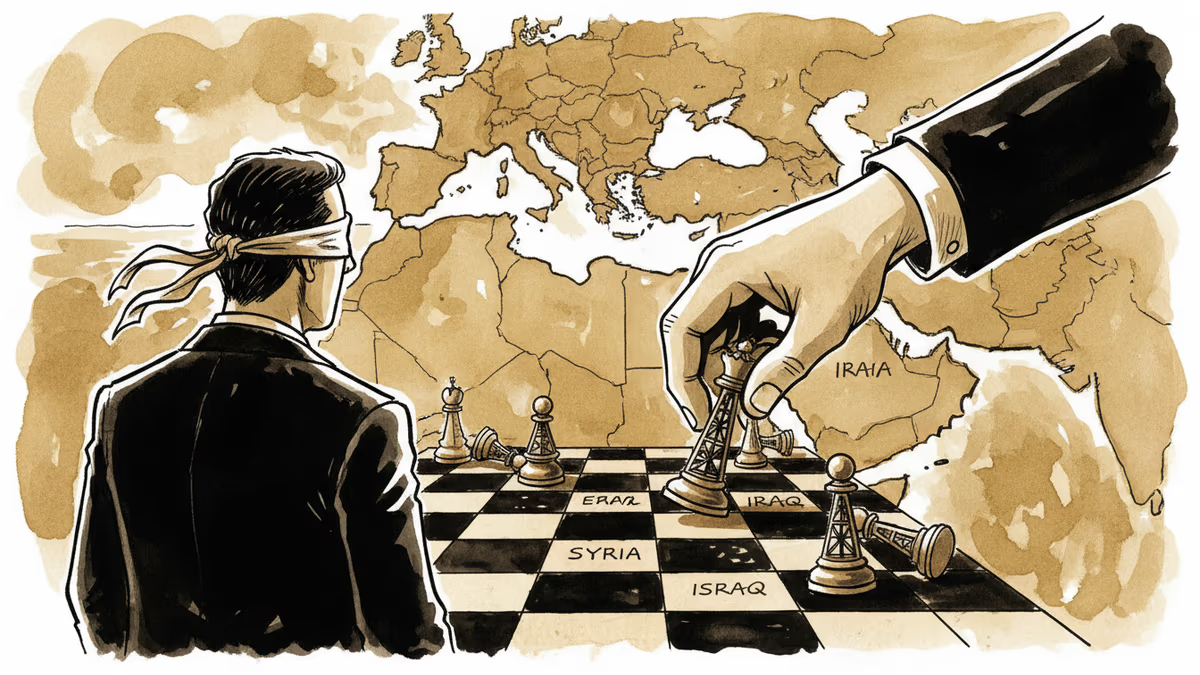
A US senator reveals Trump lacks a post-conflict strategy for Iran, raising concerns about Middle East stability and global economic impacts amid rising oil prices.
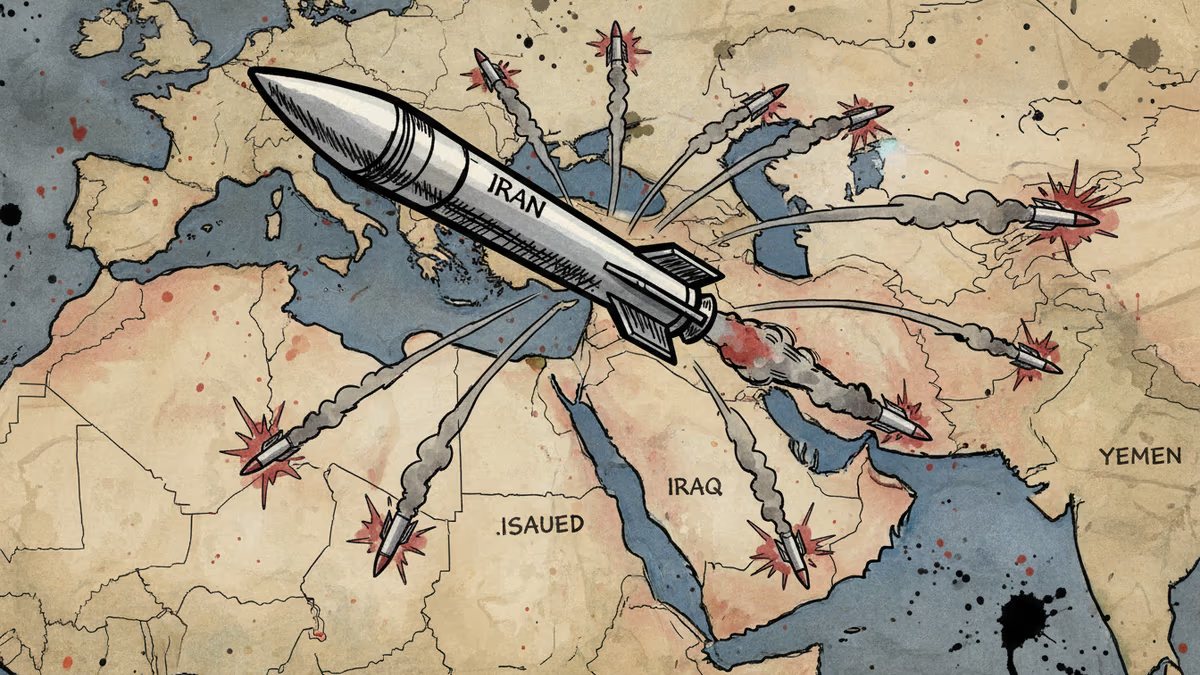
Iran's ballistic missile capabilities are transforming regional military balance and global security dynamics. What does this mean for defense markets and energy security?
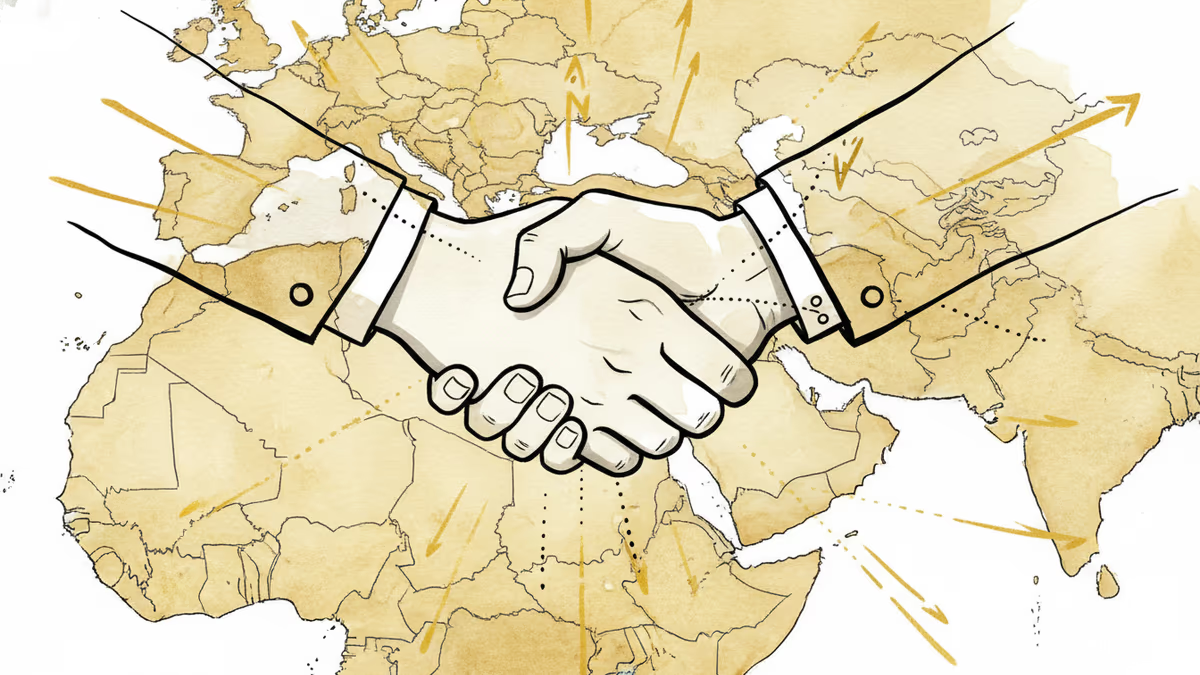
Modi's Israel visit signals the rise of a new West Asia order as India and Israel forge deeper ties, challenging the Turkey-Pakistan-Saudi bloc while reducing US dependence.
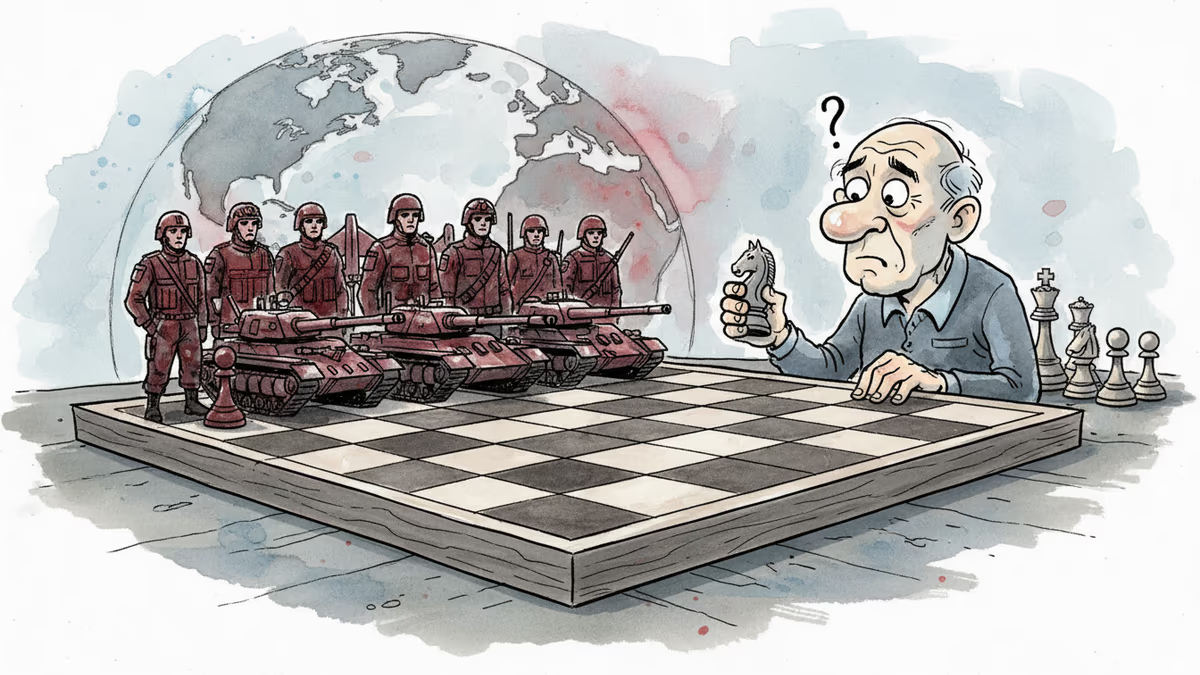
Trump puzzled by Iran's refusal to surrender amid US military escalation. Middle East tensions threaten oil prices and global economic stability.
A US senator reveals Trump lacks a post-conflict strategy for Iran, raising concerns about Middle East stability and global economic impacts amid rising oil prices.
Iran's ballistic missile capabilities are transforming regional military balance and global security dynamics. What does this mean for defense markets and energy security?
Modi's Israel visit signals the rise of a new West Asia order as India and Israel forge deeper ties, challenging the Turkey-Pakistan-Saudi bloc while reducing US dependence.
Trump puzzled by Iran's refusal to surrender amid US military escalation. Middle East tensions threaten oil prices and global economic stability.
Thoughts
Share your thoughts on this article
Sign in to join the conversation