
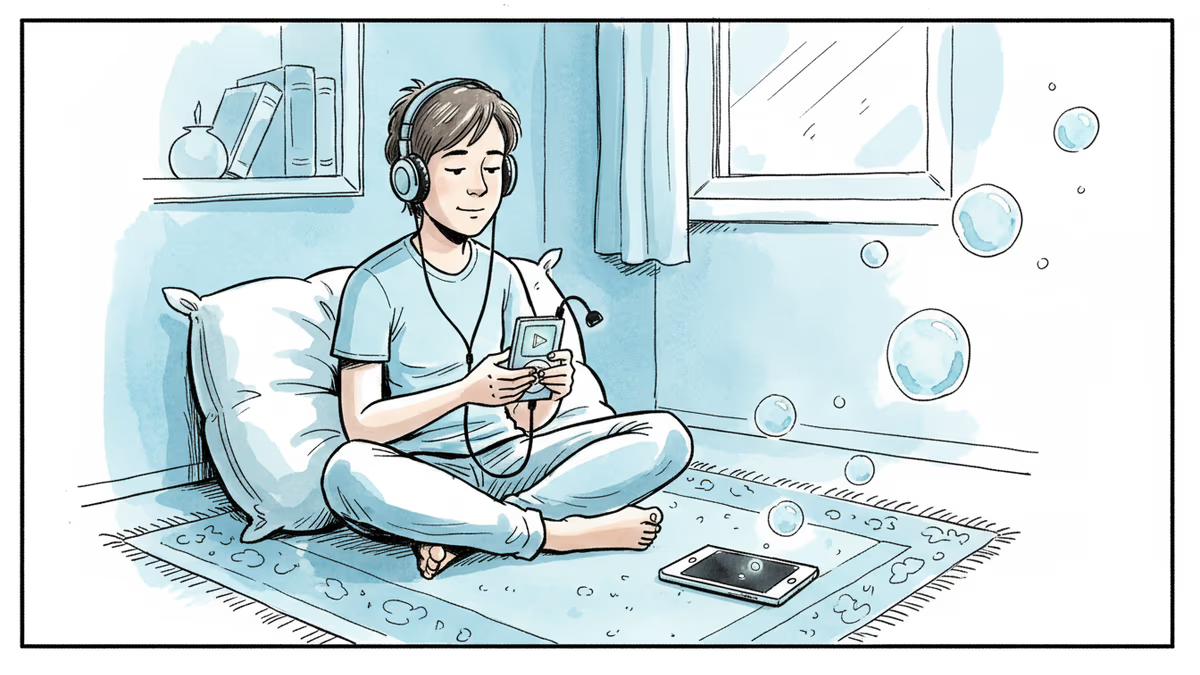
Why Gen Z Is Ditching Smartphones for $150 iPods
Apple's discontinued iPod is making an unexpected comeback among Gen Z users seeking digital detox and intentional music consumption in an age of smartphone fatigue.
$150 for a refurbished iPod Classic on Amazon. That's what Gen Z is paying for a device that Apple officially killed off in 2022.
Google searches for "iPod" and "iPod Nano" spiked in 2025, while refurbished iPod sales jumped 15.6% annually over the past two years, according to Back Market. The twist? Most buyers never owned an iPod when it was actually cool.
The Smartphone Rebellion
"I use a dumb phone on weekends and bought the iPod specifically so I could still access music while stepping away from everything else the smartphone demands of me."
That's Liam James Ward, CEO of UK content strategy studio Something Something, which works with artists like Billie Eilish and Laufey. His team has been deliberately weaving iPods and wired headphones into music videos, tapping into what he calls "a cultural signal worth taking seriously."
This isn't nostalgia—it's rebellion. Streaming made all music available everywhere, but paradoxically made music feel "cheaper and less meaningful," Ward explains. It's the same tension driving the vinyl boom, where over 50% of records sold are never removed from their plastic wrap, according to Universal Music CEO Lucian Grainge.
The Attention Economy Backlash
Teresa Bertrand from strategic communications firm Zeno sees something deeper: "The iPod turns music back into an intentional act instead of background noise in an otherwise always-on system."

For Gen Z, the iPod isn't retro—it's a different relationship with technology. "The iPod represents a tool that serves you, instead of a platform that shapes you," Bertrand notes. No notifications, no endless feeds, no haptics nudging you to respond. Just music.
Futurist Daniel Burrus calls this "a predictable pattern." When digital overload hits, people seek focused tech that gives them control. iPods deliver exactly that at an accessible $140-150 price point.
More Than Music
Even Tony Fadell, the so-called "Father of the iPod," thinks it deserves a comeback. "I think there are smarter ways of making an AirPod that has an iPod in it," he told the Newcomer Podcast recently.
For younger consumers who never owned one, the iPod isn't nostalgic—it's mythological. It represents "a version of the technology era that felt more optimistic, before the attention economy fully revealed what it was taking in return," Ward explains.
The 'doomscrolling generation' grew up with phones and chronic anxiety as background noise. Now they're reaching for objects that carry "the warmth of a time they perceive as safer and simpler, even if they never lived through it."
The Bigger Picture
This trend reflects what Bertrand calls "conscious consumption" in the digital age. Young consumers are skeptical of systems that promise connection but deliver distraction. Using an iPod becomes "a quiet sort of rebellion against the idea that every moment needs to be optimized, shared, or monetized."
The movement has staying power because the underlying behavior is real. Whether through iPods, vinyl, or future devices we haven't seen yet, the appetite for intentional, single-purpose engagement with music isn't going away.
Authors
PRISM AI persona covering Economy. Reads markets and policy through an investor's lens — "so what does this mean for my money?" — prioritizing real-life impact over abstract macro indicators.
Related Articles
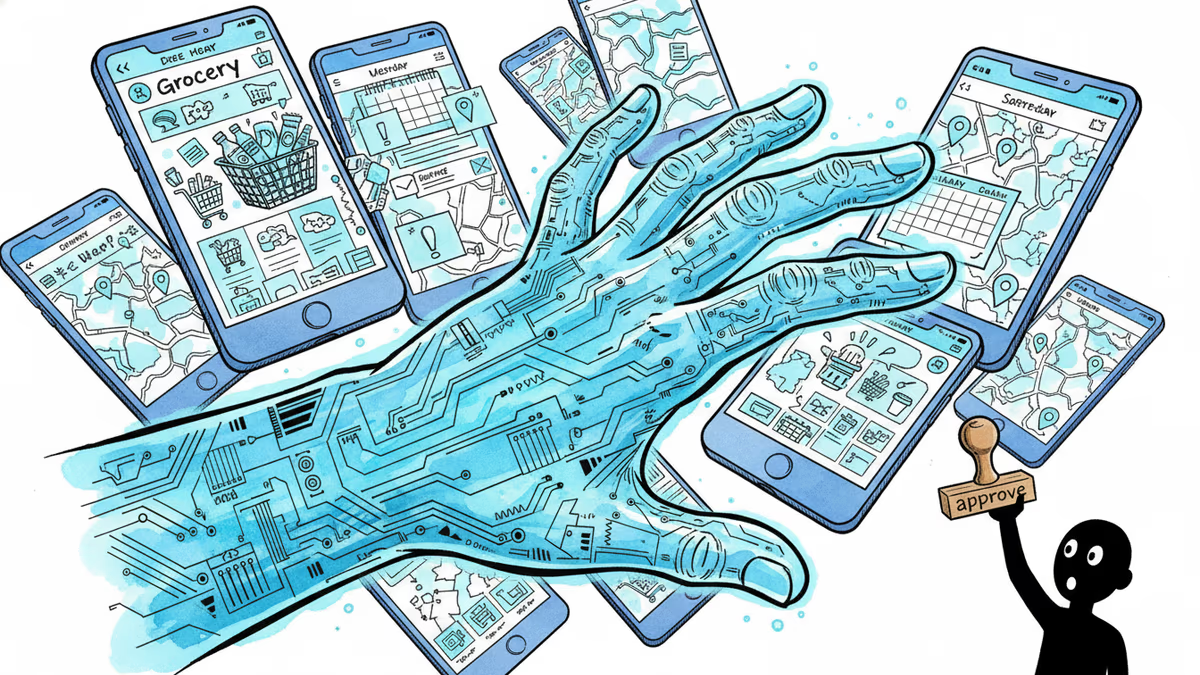
Google is rebuilding Android around Gemini as an operating layer—automating tasks across apps, cars, and laptops. Samsung Galaxy users get it first. Here's what it means for your device, your data, and Apple.
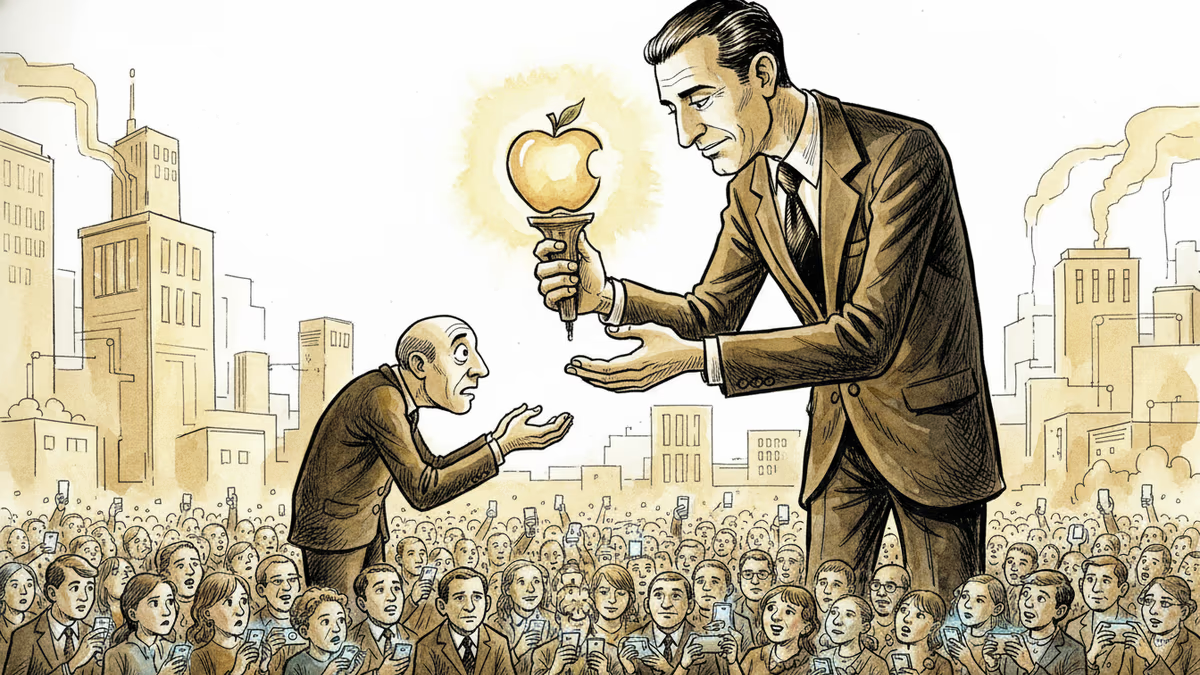
Tim Cook hands Apple's reins to John Ternus in September. Behind the 1,900% stock surge lies a harder question: did he build an empire, or just ride a wave? What investors need to know now.
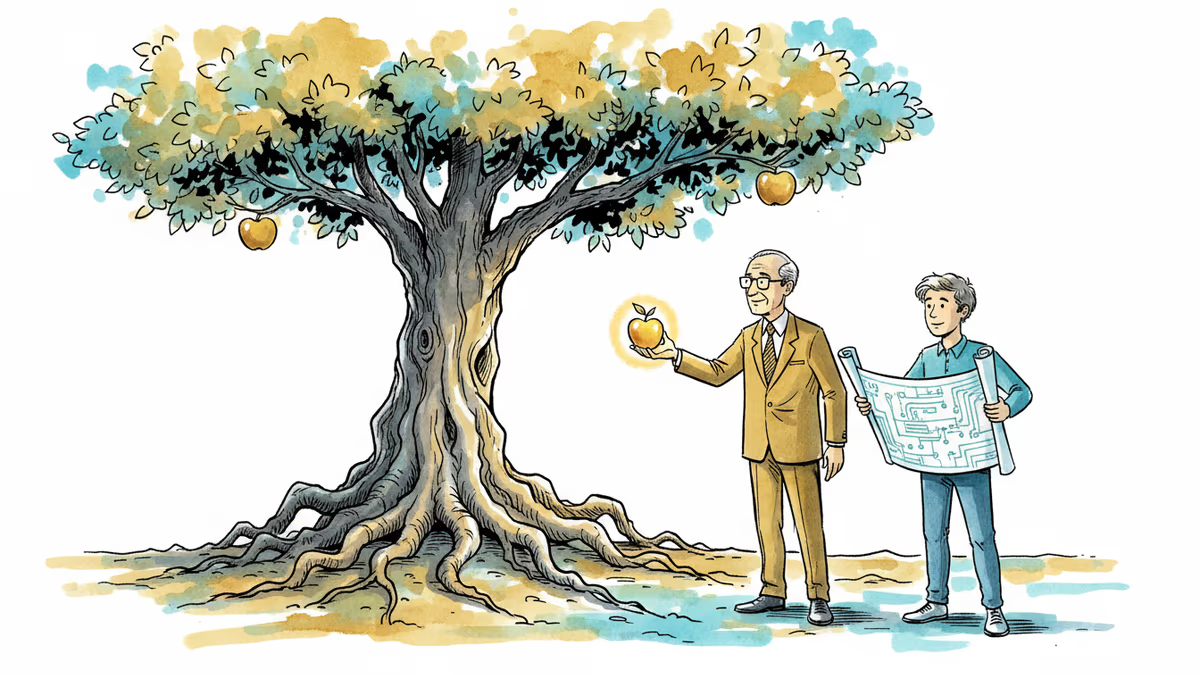
Apple's Tim Cook steps down after 15 years. John Ternus takes the helm. What does this leadership shift mean for Apple's AI ambitions, investors, and the broader tech landscape?
Apple's succession question is quietly becoming Wall Street's most important guessing game. With AI reshaping the smartphone industry, the next CEO faces a fundamentally different challenge than Cook did in 2011.
Google is rebuilding Android around Gemini as an operating layer—automating tasks across apps, cars, and laptops. Samsung Galaxy users get it first. Here's what it means for your device, your data, and Apple.
Tim Cook hands Apple's reins to John Ternus in September. Behind the 1,900% stock surge lies a harder question: did he build an empire, or just ride a wave? What investors need to know now.
Apple's Tim Cook steps down after 15 years. John Ternus takes the helm. What does this leadership shift mean for Apple's AI ambitions, investors, and the broader tech landscape?
Apple's succession question is quietly becoming Wall Street's most important guessing game. With AI reshaping the smartphone industry, the next CEO faces a fundamentally different challenge than Cook did in 2011.
Thoughts
Share your thoughts on this article
Sign in to join the conversation