
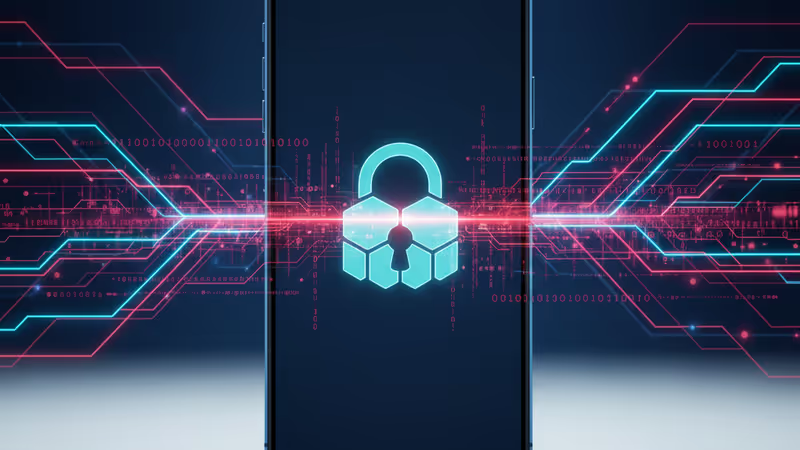
Your Smartphone Is Watching You: iPhone and Android Spyware Protection 2026
Discover the latest iPhone and Android spyware protection strategies for 2026. Learn about zero-click attacks and how to secure your device now.
Imagine your phone exfiltrating your every move without you ever clicking a single link. This isn't a dystopian script; it's the current reality for hundreds of users who received threat notifications this past December. While Apple and Google have rushed to patch vulnerabilities, experts warn that sophisticated malware can now bypass encrypted apps like WhatsApp and Signal with ease.
Understanding Zero-Click Attacks on iPhone and Android
The most terrifying aspect of modern spyware is the zero-click attack. It requires no user interaction—no suspicious downloads, no phishing links. According to Pieter Arntz from Malwarebytes, once a device is infected, adversaries can read messages, observe keystrokes, and even access banking apps. Research into Predator spyware reveals how these tools leverage browser vulnerabilities to install themselves surreptitiously, leaving almost no visible trace for the average user.
The Expanding Risk of Commercial Spyware in 2026

Spyware like Pegasus was once the exclusive headache of heads of state and billionaires like Jeff Bezos. However, the threat landscape has shifted. Rocky Cole, co-founder of iVerify, notes that these tools are increasingly used to target financial IT workers to gain enterprise-level access. This weaponization of data serves to silence dissent, as seen with Thai activist Niraphorn Onnkhaow, who was targeted 14 times before being forced out of her movement due to privacy fears.
Hardening Your Device: Lockdown Mode and Advanced Protection
To combat these state-level threats, manufacturers have introduced extreme security measures. Apple’s Lockdown Mode significantly reduces functionality—blocking most message attachments—to close off entry points. Meanwhile, Android 16 has enhanced its Advanced Protection with intrusion logging and USB safeguards. Experts like Richard LaTulip from Recorded Future advise that while these features are vital, the best defense remains a healthy skepticism toward any unsolicited digital interaction.
Authors
Related Articles
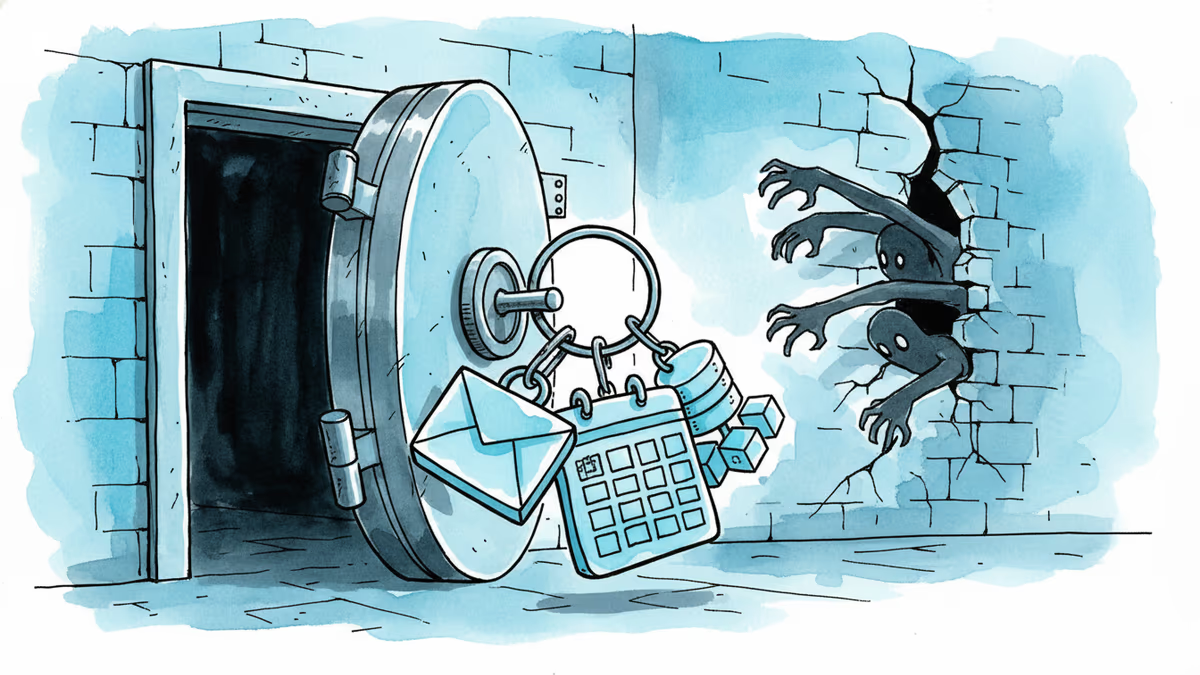
A critical vulnerability in Starlette—downloaded 325 million times per week—puts millions of AI agent servers at risk, exposing stored credentials for email, databases, and third-party services.
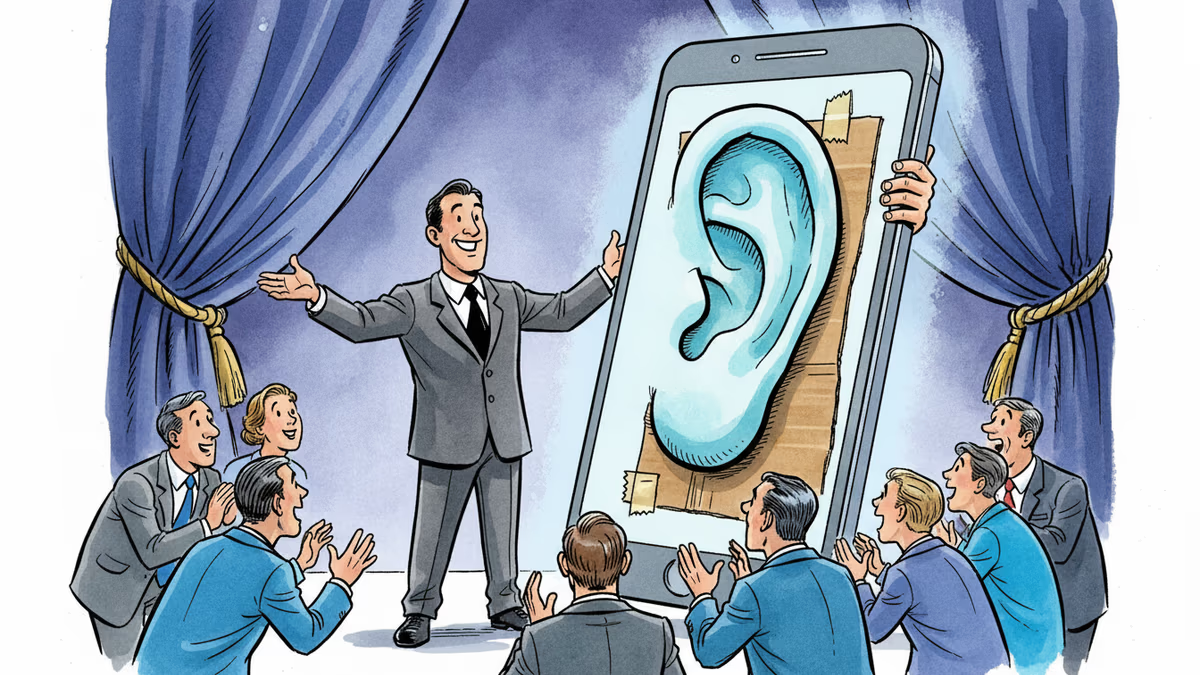
The FTC fined Cox Media and two ad firms $930,000 — not for actually eavesdropping on users, but for falsely claiming they could. The case raises uncomfortable questions about surveillance capitalism.
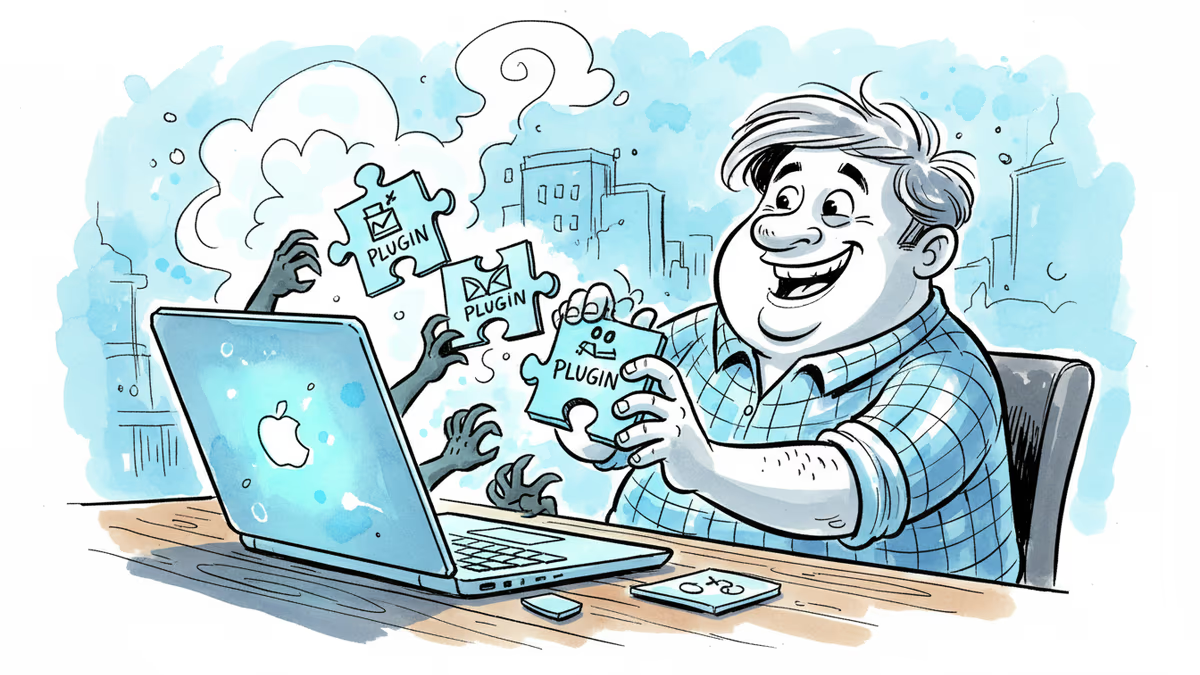
GitHub confirmed hackers stole data from 3,800 internal repositories via a poisoned VS Code extension. Here's why developer tools are now the most dangerous attack surface in tech.
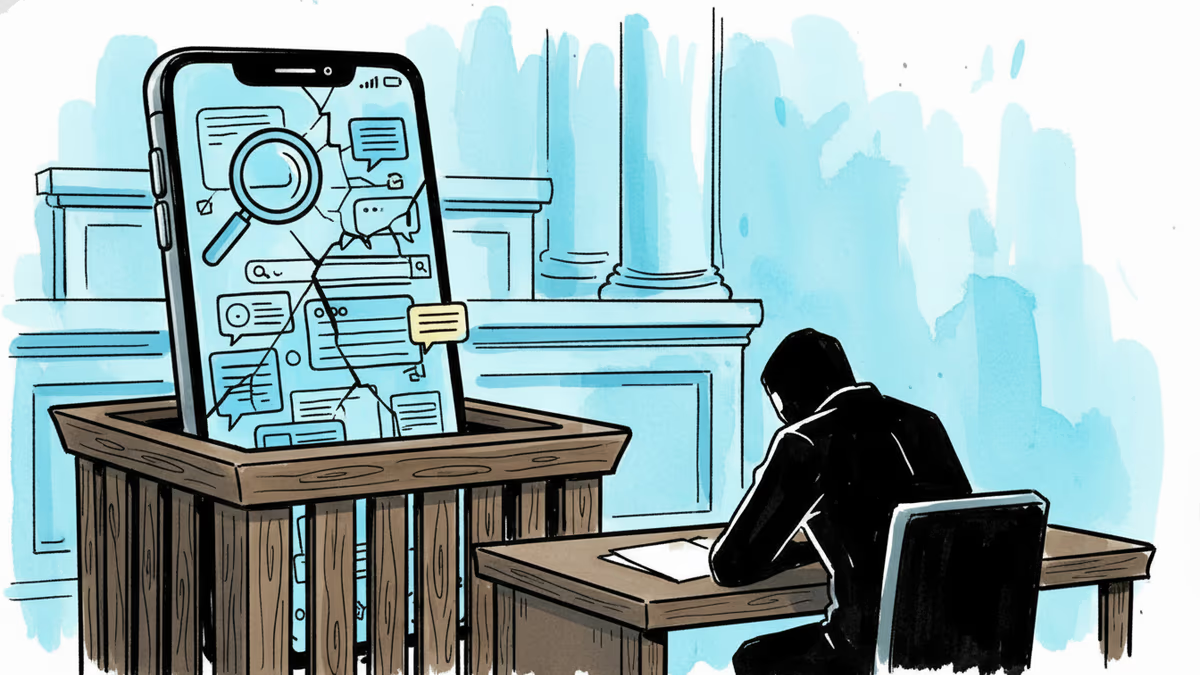
A Utah woman was sentenced to life in prison partly because of her Google searches and deleted texts. The Kouri Richins case reveals how digital footprints have become the courtroom's most reliable witness.
A critical vulnerability in Starlette—downloaded 325 million times per week—puts millions of AI agent servers at risk, exposing stored credentials for email, databases, and third-party services.
The FTC fined Cox Media and two ad firms $930,000 — not for actually eavesdropping on users, but for falsely claiming they could. The case raises uncomfortable questions about surveillance capitalism.
GitHub confirmed hackers stole data from 3,800 internal repositories via a poisoned VS Code extension. Here's why developer tools are now the most dangerous attack surface in tech.
A Utah woman was sentenced to life in prison partly because of her Google searches and deleted texts. The Kouri Richins case reveals how digital footprints have become the courtroom's most reliable witness.
Thoughts
Share your thoughts on this article
Sign in to join the conversation