
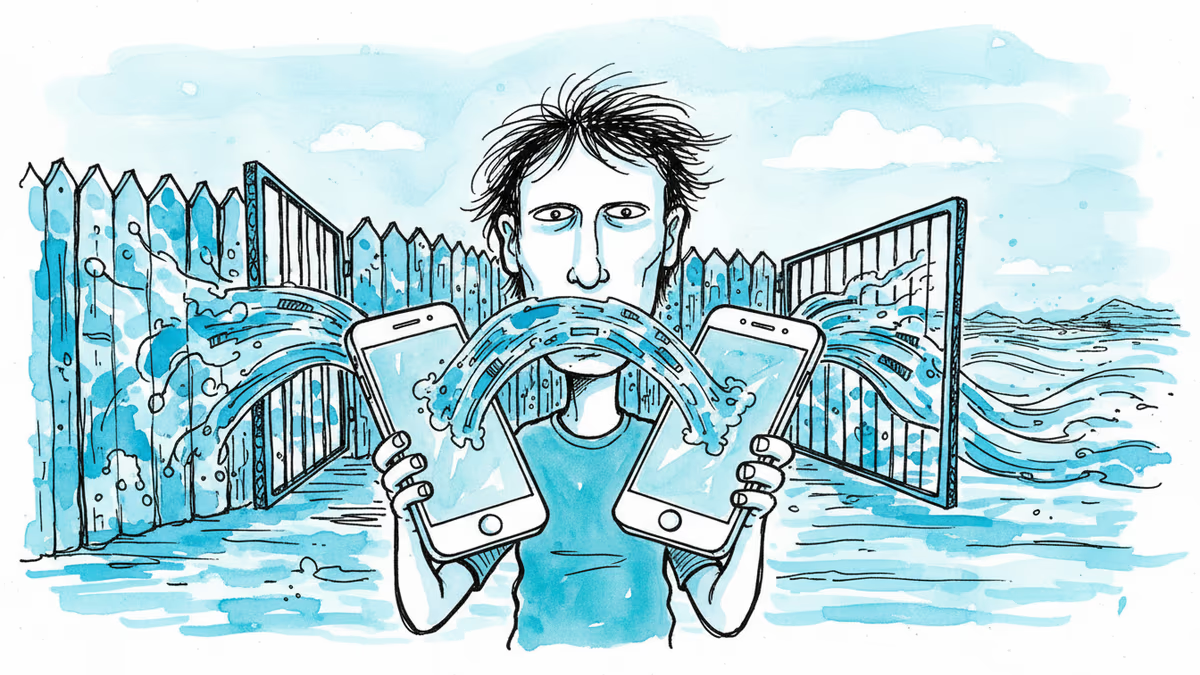
Apple Just Made Android Switching Easier Than Ever
iOS 26.3 introduces seamless iPhone-to-Android transfer and third-party wearable support in EU. What does this mean for Apple's ecosystem strategy?
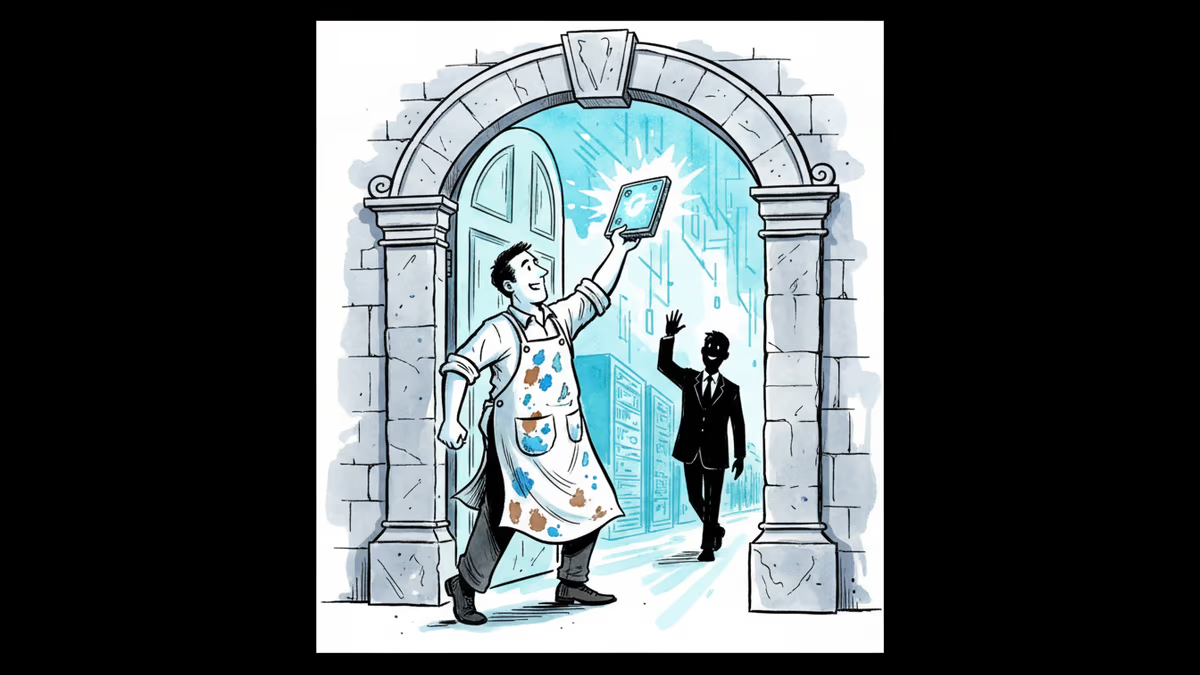
The Walled Garden Gets a New Gate
For 15 years, switching from iPhone to Android meant digital purgatory. Lost photos, abandoned app purchases, broken message threads with friends still on iMessage. Apple's ecosystem wasn't just sticky—it was superglue.
That changed Wednesday with iOS 26.3, which quietly introduced something unprecedented: Apple actively helping users leave for Android.
What Actually Changed
The new transfer process works by placing both phones side by side, allowing seamless migration of apps, photos, messages, and even phone numbers. No more downloading separate transfer apps from Apple and Google, no more manual data copying, no more digital archaeology to recover years of memories.
EU users get an additional gift: "notification forwarding" to third-party wearables. Your Garmin or Samsung Galaxy Watch can now receive full iPhone notifications, breaking another link in Apple's chain.
The Regulatory Reality

This isn't Apple's sudden generosity—it's compliance. The EU's Digital Markets Act has been tightening the screws on big tech's walled gardens since 2022. Apple fought these changes tooth and nail, but $2 billion in potential daily fines have a way of changing corporate minds.
Yet here's what's fascinating: Apple could have built the world's clunkiest, most frustrating transfer tool and still technically complied. Instead, they created something that actually works well.
The Strategic Paradox
From one angle, this looks like strategic suicide. Why would Apple make it easier to abandon their $383 billion services ecosystem?
But consider the alternative calculation: Users who feel trapped eventually revolt. The more graceful the exit, the more likely they'll return someday. Apple's betting that confidence in their products—not digital handcuffs—will keep users loyal.
Meanwhile, Android manufacturers are celebrating. Samsung and Google have spent billions trying to lure iPhone users. Apple just handed them a golden bridge.
Beyond the Headlines
The real story isn't about phone switching—it's about the future of digital ecosystems. Apple's move signals that the era of absolute platform lock-in is ending, replaced by something messier but potentially healthier: competitive interoperability.
This shift extends beyond phones. Your smart home, car integration, health data, and digital wallet are all becoming less platform-dependent. The question isn't whether other tech giants will follow Apple's lead, but how quickly.
Authors
Related Articles
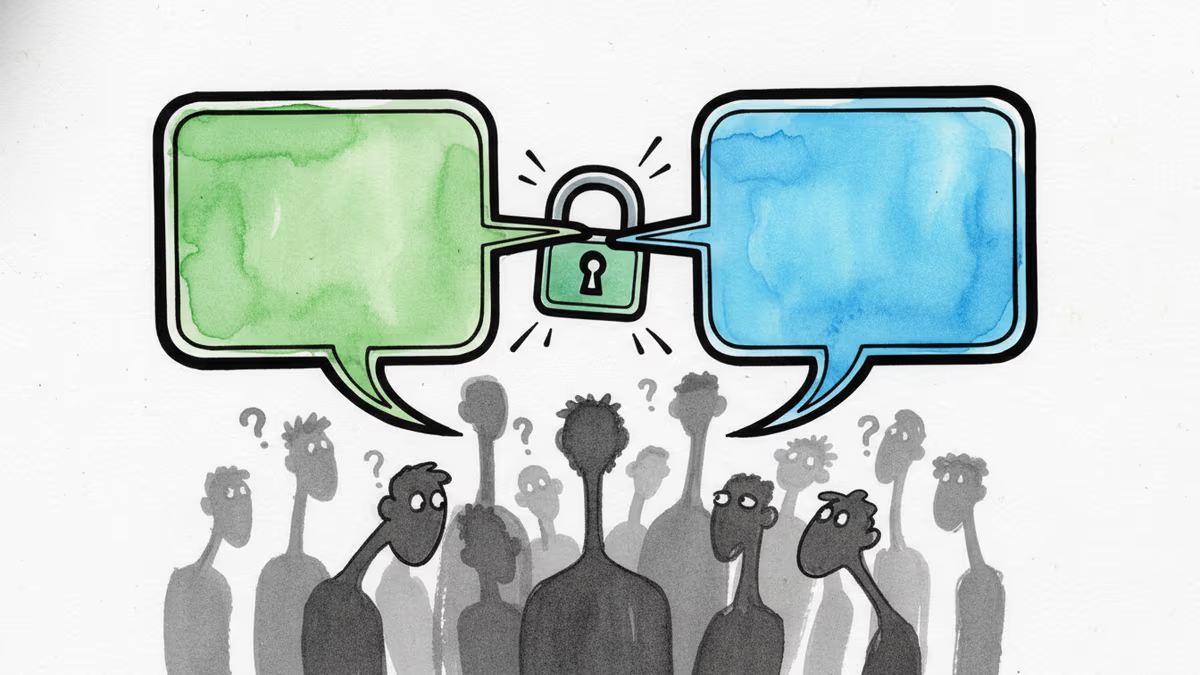
After 15 years of fragmented mobile messaging, Apple and Google are rolling out end-to-end encrypted RCS messaging between iPhones and Android devices. Here's what changed, why it took so long, and what it means for your privacy.
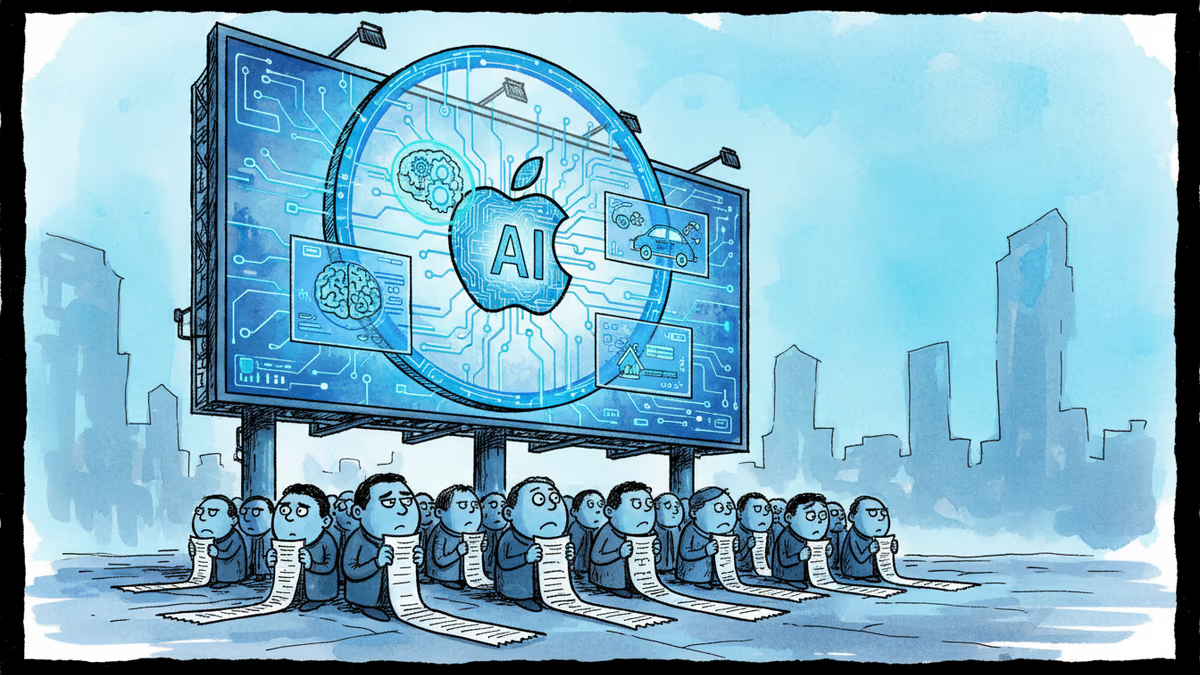
Apple agreed to pay $250 million to settle claims it misled iPhone 16 buyers about Apple Intelligence features. What this means for consumers, Big Tech marketing, and the AI industry.
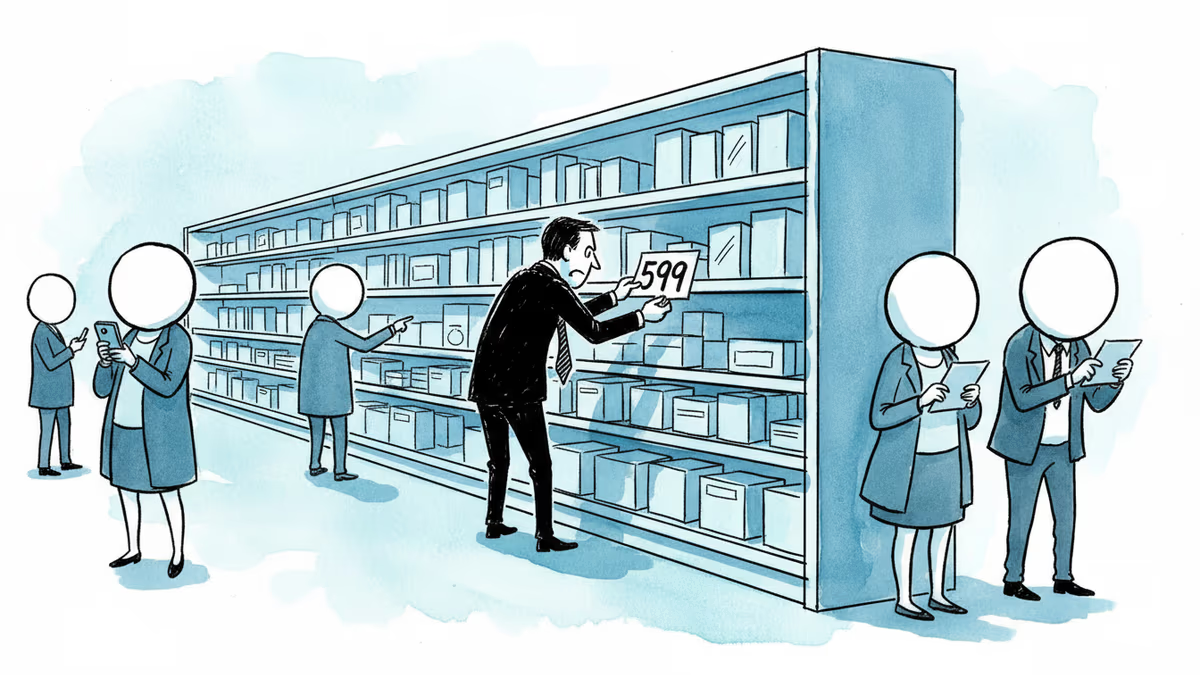
Apple quietly removed the entry-level $599 Mac Mini, raising the starting price to $799 — just one day after Tim Cook warned of chip supply constraints on the earnings call.
Apple names John Ternus, its hardware engineering chief, as the next CEO. The shift from operator to product person signals where Apple thinks its next decade of growth will come from — and raises real questions about what comes next.
After 15 years of fragmented mobile messaging, Apple and Google are rolling out end-to-end encrypted RCS messaging between iPhones and Android devices. Here's what changed, why it took so long, and what it means for your privacy.
Apple agreed to pay $250 million to settle claims it misled iPhone 16 buyers about Apple Intelligence features. What this means for consumers, Big Tech marketing, and the AI industry.
Apple quietly removed the entry-level $599 Mac Mini, raising the starting price to $799 — just one day after Tim Cook warned of chip supply constraints on the earnings call.
Apple names John Ternus, its hardware engineering chief, as the next CEO. The shift from operator to product person signals where Apple thinks its next decade of growth will come from — and raises real questions about what comes next.
Thoughts
Share your thoughts on this article
Sign in to join the conversation